


Gastrointestinal Cancer
Latest News
Advertisement
Latest Videos
















































Advertisement
More News
Tinengotinib has been awarded orphan drug designation from the European Medicines Agency for use in select patients with biliary tract cancer.
Cambritaxestat has received orphan drug designation from the FDA for the treatment of patients with pancreatic cancer.
ABSK061 was well tolerated and elicited responses in patients with advanced solid tumors harboring FGFR2/3 alterations.

Michael J. Overman, MD, discusses the potential use of endoscopy and ctDNA assays to guide nonoperative approaches in select gastrointestinal cancers.

Michael J. Overman, MD, discusses the potential advantages of using nonoperative immunotherapy-based approaches in select gastrointestinal cancers.

Katrina S. Pedersen, MD, MS, shares updates in the treatment of gastrointestinal cancers, including biliary tract cancer and neuroendocrine tumors.
Riccardo Lencioni, MD, FSIR, EBIR, discusses unmet needs in unresectable hepatocellular carcinoma.
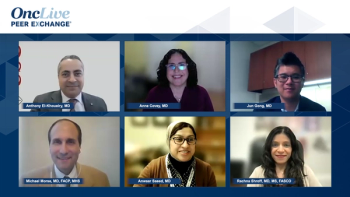
Rachna Shroff, MD, MS, FASCO, highlights the prominence of the EMERALD-1 study for patients with HCC.
Michael Morse, MD, establishes his criteria for implementing TACE versus systemic therapy in HCC treatment.
Katrina S. Pedersen, MD, MS, details how the treatment of patients with gastrointestinal malignancies is evolving and notes notable trials as well as approvals.
SNB-101, a novel polymer nanoparticle agent, has been granted orphan drug designation by the FDA for the treatment of patients with pancreatic cancer.
In case you missed it, below is a recap of all drugs that have been approved by the FDA in February 2024.

Manish A. Shah, MD, discusses how pembrolizumab with chemotherapy impacts immune responses in advanced esophageal cancer according to PD-L1 status.
The FDA granted fast track designation to 9MW2821 for potential use in advanced, recurrent, or metastatic esophageal squamous cell carcinoma.
The biologics license application for first-line tislelizumab plus chemotherapy for gastric/gastroesophageal junction cancer has been accepted by the FDA.
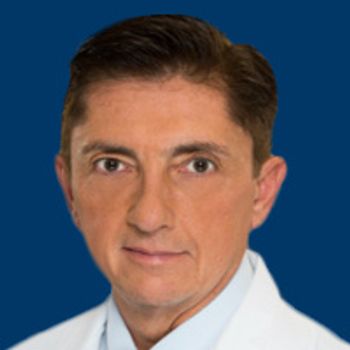
Riccardo Lencioni, MD, discusses how TACE, durvalumab, and bevacizumab, could represent a new standard of care in embolization-eligible HCC.

Manish A. Shah, MD, discusses 5-year outcomes from phase 3 KEYNOTE-590 study of first-line pembrolizumab plus chemotherapy for advanced esophageal cancer.
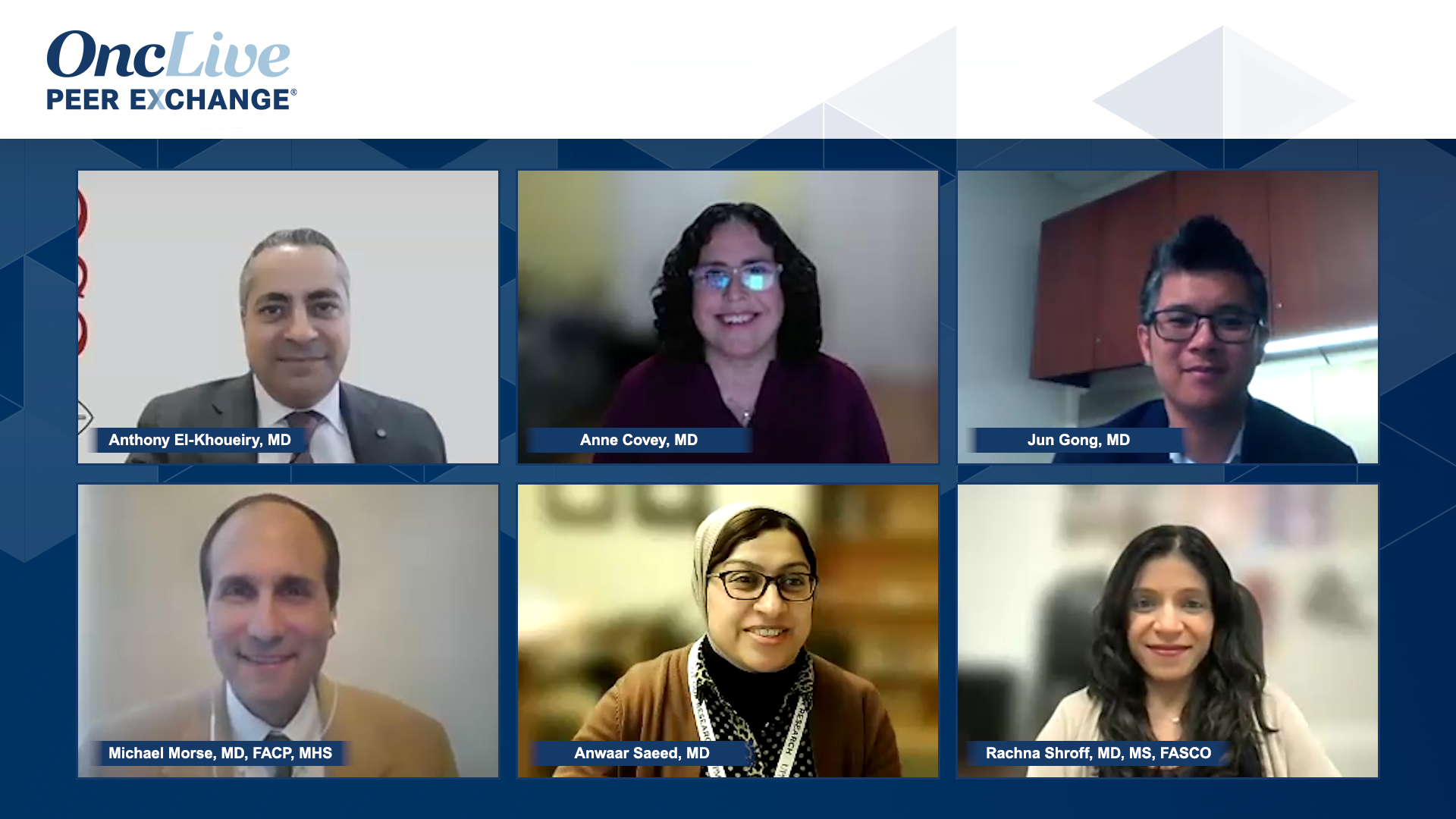
Mechanism of action for liver-directed therapies in HCC are illustrated by Anne Covey, MD, an interventional radiologist.
Anthony El-Khoueiry, MD, opens the discussion by defining the current prevalence of hepatocellular carcinoma (HCC).

Jacob Shreve, MD, MS, highlights the intersection between artificial intelligence and personalized medicine, as well as its potential utility in gastrointestinal cancers.
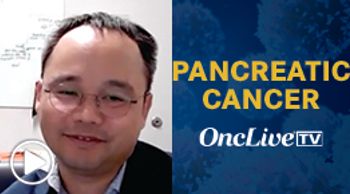
Dae Won Kim, MD, discusses findings from the NAPOLI 3 trial that support the use of NALIRIFOX in patients with metastatic pancreatic cancer.

Michael J. Overman, MD, discusses the potential use of endoscopy and ctDNA to guide nonoperative management approaches in gastrointestinal cancers.
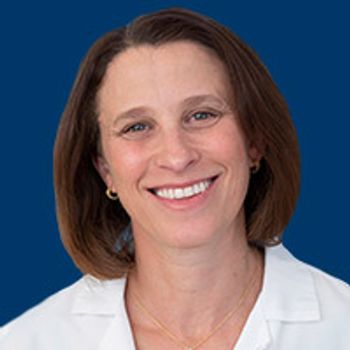
Efrat Dotan, MD, discusses routine provider assessment vs the utility of geriatric assessment in geriatric patients with gastroesophageal disease.
IMM-1-104 received FDA fast track designation for use in patients with pancreatic ductal adenocarcinoma who have progressed on 1 line of treatment.
John M. Bryant, MD, discusses how identifying germline DNA repair mutations may impact the development of targeted therapy development in PDAC.
Advertisement
Advertisement
Trending on OncLive
1
INBRX-106 Plus Pembrolizumab Improves Responses and PFS in First-Line PD-L1–Positive HNSCC
2
FDA Approves Pirtobrutinib for Previously Untreated CLL/SLL
3
Epcoritamab Plus R-CHOP Meets PFS End Point in Newly Diagnosed DLBCL
4
‘Our Impact Will Be Broad and Transformative’: Wells Messersmith, MD, Takes the Reins at CU Anschutz Cancer Center
5