




Genitourinary Cancers
Latest News

Advertisement
Latest Videos






























































Advertisement
More News

Obesity increases the chance that someone will get the clear-cell form of renal cell carcinoma (ccRCC). But once an obese patient has the disease, he's likely to survive longer than a non-obese patient.
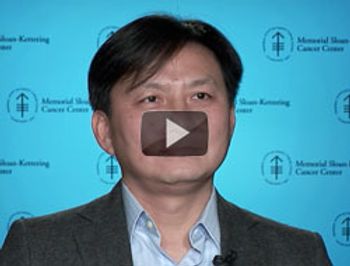
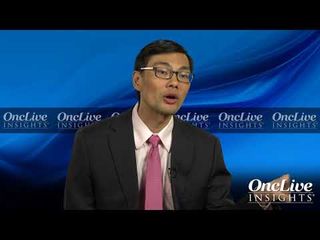
James J. Hsieh, MD, PhD, medical oncologist, Memorial Sloan Kettering Cancer Center, gives an overview of emerging treatments for patients with kidney cancer.
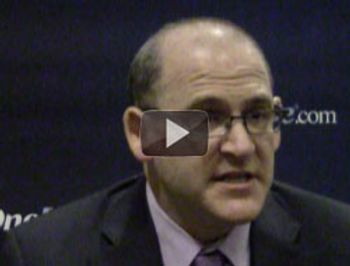
David F. Penson, MD, MPH, director, Center for Surgical Quality and Outcomes Research Professor of Urologic Surgery, Paul V. Hamilton, M.D. and Virginia E. Howd Chair in Urologic Oncology, professor of medicine, Vanderbilt University Medical Center, discusses some of the advantages and disadvantages of a large urologic practice.

During the annual meeting of the Large Urology Group Practice Association (LUGPA) in Chicago in November 2013, the organization's president, Deepak A. Kapoor, MD, completed his 2-year term and handed the gavel to incoming president Juan A. Reyna, MD.

When I first entered practice in 1990, I was fortunate to have senior partners and colleagues who offered sage advice, much of it based on retrospective analysis of their own successes and failures over time.
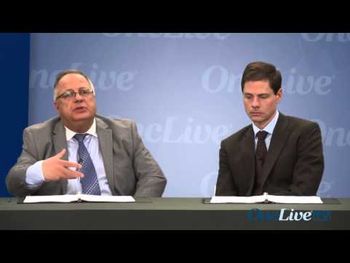

Charles Ryan, MD, discusses community oncologist prescribing preferences for patients with prostate cancer or renal cell carcinoma.

An exceptional responder with advanced urothelial carcinoma experienced a complete radiologic response lasting 13.8 months following treatment with the combination of everolimus (Afinitor) and pazopanib.

Elizabeth Plimack, MD, MS, attending physician, medical oncology, Fox Chase Cancer Center, discusses a phase I trial that looked at overcoming mTOR resistance with an HDAC inhibitor in renal cell carcinoma (RCC).
Robert Figlin, MD, FACP, discusses an analysis of the heterogeneity of intermediate prognosis patients with metastatic renal cell carcinoma (mRCC) treated with sunitinib.

A review by André P. Fay, MD, on the data supporting the standard use of neoadjuvant and adjuvant chemotherapy for patients with muscle invasive bladder cancers.
Advertisement
Advertisement
Trending on OncLive
1
Savolitinib Plus Osimertinib NDA Submitted to FDA for MET-Driven, EGFR-Mutated NSCLC After EGFR TKI
2
FDA Grants Priority Review to Elinzanetant for Endocrine Therapy–Associated Vasomotor Symptoms in HR+ Breast Cancer
3
China's NMPA Approves Pirtobrutinib Across CLL
4
Calculating the Real Cost of False Positive Findings in Cancer Screening
5