





Genitourinary Cancers
Latest News
Advertisement
Latest Videos



















































Advertisement
More News
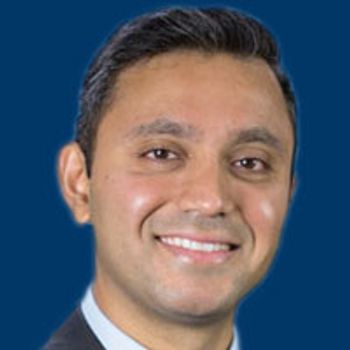
Arjun V. Balar, MD, highlights the KEYNOTE-057 study findings and provided insight into the role of immunotherapy in bladder cancer.
Funda Meric-Bernstam, MD, chair, Department of Investigational Cancer Therapeutics, medical director, Institute for Personalized Cancer Therapy, professor of medicine, The University of Texas MD Anderson Cancer Center, discussed preliminary data with a novel combination in the treatment of patients with renal cell carcinoma.
Arjun V. Balar, MD, assistant professor, Department of Medicine, director, Genitourinary Medical Oncology Program, NYU Langone's Perlmutter Cancer Center, discusses biomarkers of immunotherapy response in patients with bladder cancer.

Mario Sznol, MD, professor of medicine, co-director, Cancer Immunology Program, co-director, Yale SPORE in Skin Cancer, Yale Cancer Center, discusses factors to consider when combining VEGF TKIs with immunotherapy in renal cell carcinoma (RCC).

Oncologists looking for options beyond immuno-oncology for treating patients with metastatic urothelial carcinoma may soon have a range of targeted therapy choices.

Neeraj Agarwal, MD, associate professor, Division of Oncology, Department of Medicine, University of Utah School of Medicine; and director, Genitourinary Oncology Program, Oncology Division, co-leader, Urologic Oncology Multidisciplinary Program, associate director of Clinical Trials, Huntsman Cancer Institute, discusses patient selection in the frontline treatment of patients with advanced renal cell carcinoma (RCC).

Bradley McGregor, MD, clinical director, Lank Center for Genitourinary Oncology, senior physician, Dana-Farber Cancer Institute, and instructor of medicine, Harvard Medical School, discusses the data with the combination of axitinib (Inlyta) and avelumab (Bavencio) in advanced renal cell carcinoma (RCC).

The FDA has approved the combination of avelumab and axitinib for the frontline treatment of patients with advanced renal cell carcinoma.
David I. Quinn, MD, MBBS, PhD, FRACP, FACP, associate professor of medicine, section head, Genitourinary Oncology, Division of Cancer Medicine and Blood Diseases, Department of Medicine, Keck School of Medicine, discusses the biology of renal cell carcinoma (RCC).

Bradley McGregor, MD, speaks about the various data that have emerged in renal cell carcinoma with combinations of immunotherapy, TKIs, and how he chooses between the available treatments for his patients.

Bradley McGregor, MD, clinical director, Lank Center for Genitourinary Oncology, senior physician, Dana-Farber Cancer Institute, and instructor of medicine, Harvard Medical School, discusses frontline treatment regimens in advanced renal cell carcinoma (RCC).

Guru Sonpavde, MD, discusses the current use of immunotherapy and the numerous strategies in development in bladder cancer.
Robert A. Figlin, MD, Steven Spielberg Family Chair in Hematology Oncology, director, Division of Hematology/Oncology, deputy director, Integrated Oncology Service Line, and professor of Biomedical Sciences, Medicine, at Cedars-Sinai Medical Center, discusses the toxicity profiles of combinations of immune checkpoint inhibitors and VEGF TKIs in renal cell carcinoma (RCC), as well as research being done to validate potential biomarkers in the space.
Mario Sznol, MD, professor of medicine, co-director, Yale SPORE in Skin Cancer, Yale Cancer Center, discusses patient selection for combination therapy in metastatic renal cell carcinoma.

Eric Jonasch, MD, professor, Department of Genitourinary Medical Oncology, Division of Cancer Medicine, The University of Texas MD Anderson Cancer Center, discusses the molecular understanding of clear cell renal cell carcinoma (RCC).

Bradley McGregor, MD, clinical director, Lank Center for Genitourinary Oncology, senior physician, Dana-Farber Cancer Institute, and instructor of medicine, Harvard Medical School, discusses the clinical implications of the FDA approval of pembrolizumab (Keytruda) and axitinib (Inlyta) in advanced renal cell carcinoma (RCC).

Petros Grivas, MD, PhD, clinical director of the Genitourinary Cancers Program and associate professor, Department of Medicine, Division of Oncology, University of Washington, and medical oncologist, Seattle Cancer Care Alliance, discusses investigational immunotherapy approaches in localized bladder cancer.
In an effort to improve outcomes for intermediate- or poor-risk patients with renal cell carcinoma, the phase III COSMIC-313 trial is being initiated, which will evaluate cabozantinib (Cabometyx) in combination with nivolumab and ipilimumab in patients with previously untreated advanced disease.

The Tice strain of BCG has emerged as a go-to drug for treating primary and recurrent bladder cancer, but in the United States and some other countries, a constellation of marketplace dynamics has reduced manufacturers of this agent to a sole producer that is unable to keep up with demand. Available supplies are being rationed, and sufficient expansion of supply could be years away.

Eric Jonasch, MD, professor of medicine, The University of Texas MD Anderson Cancer Center, discusses the use of single-agent pembrolizumab in the treatment of patients with metastatic non–clear cell renal cell carcinoma.

Guru Sonpavde, MD, director of Bladder Cancer at Dana-Farber Cancer Institute, discusses the role of durvalumab in the treatment of patients with platinum-refractory bladder cancer.

Brian I. Rini, MD, professor of medicine, Cleveland Clinic, discusses the combination of pembrolizumab plus axitinib in the treatment of patients with metastatic renal cell carcinoma.

Implementation of an integrated practice model, in which in-house and outside referrals are available, has enabled Garden State Urology to continue to provide patients with high standards of care while maintaining the familiarity of a community style clinic.
Robert A. Figlin, MD, director, Division of Hematology/Oncology, Steven Spielberg Professor of Biomedical Sciences and Medicine, Cedars-Sinai Medical Center, discusses the promise of immunotherapy plus TKI combinations in the treatment of patients with renal cell carcinoma.
Thomas Powles, MBBS, MRCP, MD, director, Barts Cancer Institute, discusses the FDA approval of the combination of pembrolizumab (Keytruda) plus axitinib (Inlyta) for the frontline treatment of patients with advanced renal cell carcinoma (RCC).
Advertisement
Advertisement
Trending on OncLive
1
Savolitinib Plus Osimertinib NDA Submitted to FDA for MET-Driven, EGFR-Mutated NSCLC After EGFR TKI
2
Calculating the Real Cost of False Positive Findings in Cancer Screening
3
FDA Grants Priority Review to Elinzanetant for Endocrine Therapy–Associated Vasomotor Symptoms in HR+ Breast Cancer
4
Cilta-Cel Shows Long-Term Treatment-Free Remissions in Lenalidomide-Refractory Myeloma
5