




Genitourinary Cancers
Latest News
Advertisement
Latest Videos





















































Advertisement
More News

Thomas W. Flaig, MD, discusses the latest updates to the NCCN guidelines for the treatment of patients with muscle-invasive bladder cancer and highlights the latest approvals of checkpoint inhibitors in this patient population.

Mario Sznol, MD, professor of medicine, co-director, Yale SPORE in Skin Cancer, Yale Cancer Center, discusses unanswered questions with immunotherapy in the treatment of patients with renal cell carcinoma.

The 2019 National Comprehensive Cancer Network guideline on the management of advanced clear cell renal cell carcinoma undergoes a major shift in risk category used to define preferred and alternative first-line treatments.

Brian M. Shuch, MD, highlights the complex data with cytoreductive nephrectomy in renal cell carcinoma and offers advice on how to navigate the intricate treatment landscape.

Bernard H. Bochner, MD, FACS, chair of surgery, Memorial Sloan Kettering Cancer Center, discusses the importance of molecular profiling in the treatment of patients with bladder cancer.
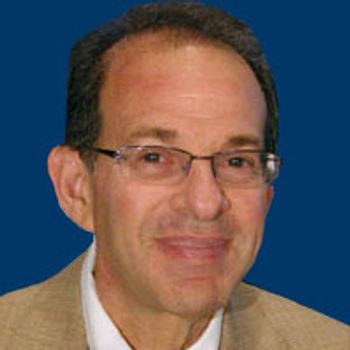
Mario Sznol, MD, highlights recent advances made with immunotherapy in renal cell carcinoma and sheds light on what the future may hold.

Thomas Powles, MBBS, MRCP, MD, highlights key takeaways from pivotal trials and discusses how they impact the ever-changing landscape of metastatic renal cell carcinoma.

Daniel J. George, MD, professor of Medicine and Surgery, member, Duke Cancer Institute, discusses the importance of dosing TKIs properly in patients with renal cell carcinoma (RCC).

Atezolizumab (Tecentriq) demonstrated consistent safety and efficacy with prior studies of the PD-L1 inhibitor in patients with locally advanced or metastatic urothelial carcinoma, including clinically relevant subgroups reflective of real-world clinical practice.
Brian M. Shuch, MD, director of the Kidney Cancer Program, Alvin & Carrie Meinhardt Endowed Chair of Kidney Cancer Research, University of California, Los Angeles Institute of Urologic Oncology, discussed the role of cytoreductive nephrectomy in renal cell carcinoma.
Brian I. Rini, MD, discusses the next steps with tivozanib (Fotivda) and immunotherapy/TKI combinations in patients with metastatic renal cell carcinoma.
Thomas Powles, MBBS, MRCP, MD, director, Barts Cancer Institute, discusses the results of the KEYNOTE-426 trial in metastatic renal cell carcinoma (mRCC).

Heather Greene, a nurse practitioner at West Cancer Center, discusses the toxicities that are associated with VEGF TKIs and checkpoint inhibitors in metastatic renal cell carcinoma (mRCC).

David F. McDermott, MD, director of the Biologic Therapy Program at Beth Israel Deaconess Medical Center, discusses single-agent versus combination immunotherapy in the treatment of patients with renal cell carcinoma.

Neeraj Agarwal, MD, associate professor, Division of Oncology, Department of Medicine, University of Utah School of Medicine, Huntsman Cancer Institute, discusses the combination of lenvatinib (Lenvima) and everolimus in the treatment of patients with metastatic renal cell carcinoma (mRCC).

Jonathan L. Wright, MD, MS, FACS, medical director of the University of Washington Medical Center Urology Clinic, associate professor of Urology at University of Washington, and affiliate investigator at the Fred Hutchinson Cancer Research Center, discusses unmet needs in muscle-invasive bladder cancer.

Thomas Powles, MBBS, MRCP, MD, director, Barts Cancer Institute, discusses the rationale for the KEYNOTE-426 study in patients with metastatic renal cell carcinoma.

Combining lenvatinib and pembrolizumab led to a 25% overall response rate in patients with urothelial carcinoma and was associated with a manageable safety profile.

Petros Grivas, MD, PhD, director, University of Washington Medicine’s Genitourinary Cancers Program, associate professor, oncology, University of Washington, Seattle Cancer Care Alliance, discusses data on bladder preservation in patients with localized bladder cancer.

Funda Meric-Bernstam, MD, chair, Department of Investigational Cancer Therapeutics, medical director, Institute for Personalized Cancer Therapy, professor of medicine, The University of Texas MD Anderson Cancer Center, discusses the combination of CB-839 plus cabozantinib in patients with renal cell carcinoma.

Sumanta Kumar Pal, MD, a medical oncologist at City of Hope, discusses the emergence of molecular signatures in patients with renal cell carcinoma (RCC).

Arjun V. Balar, MD, assistant professor, Department of Medicine, director, Genitourinary Medical Oncology Program, NYU Langone’s Perlmutter Cancer Center, discusses findings from the KEYNOTE-057 study presented at the 2019 Genitourinary Cancers Symposium.

Scott T. Tagawa, MD, discusses the potential of sacituzumab govitecan in advanced urothelial cancers and reflects on progress made in prostate cancer.

Brian I. Rini, MD, professor of medicine, Cleveland Clinic, discusses the potential for tivozanib in patients with advanced renal cell carcinoma.

Neeraj Agarwal, MD, associate professor, Division of Oncology, Department of Medicine, University of Utah School of Medicine, Huntsman Cancer Institute, discusses findings from the KEYNOTE-426 study in patients with metastatic renal cell carcinoma.
Advertisement
Advertisement
Trending on OncLive
1
Savolitinib Plus Osimertinib NDA Submitted to FDA for MET-Driven, EGFR-Mutated NSCLC After EGFR TKI
2
Calculating the Real Cost of False Positive Findings in Cancer Screening
3
FDA Grants Priority Review to Elinzanetant for Endocrine Therapy–Associated Vasomotor Symptoms in HR+ Breast Cancer
4
Cilta-Cel Shows Long-Term Treatment-Free Remissions in Lenalidomide-Refractory Myeloma
5