
Hematologic Oncology
Latest News
Advertisement
Latest Videos














































Advertisement
More News
A CD30-targeted CAR T-cell therapy was found to elicit a high rate of durable complete responses (CRs) in heavily pretreated patients with relapsed/refractory Hodgkin lymphoma.
Paul J. Shaughnessy, MD, discusses the challenges faced with CAR T-cell therapy in hematologic malignancies.
Monica Balzarotti, MD, discusses remaining questions regarding consolidation and maintenance therapy in relapsed/refractory diffuse large B-cell lymphoma.
Paul J. Shaughnessy, MD, discusses how CAR T-cell therapy is being utilized in hematologic malignancies, challenges faced with this modality, and ongoing research efforts being made to better leverage its use.
Jeanne M. Palmer, MD, discusses the current treatment landscape of acute graft-versus-host disease.
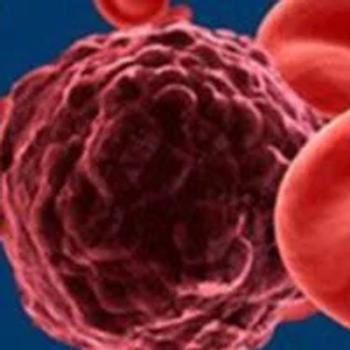
The FDA has granted a fast track designation for aspacytarabine as treatment for acute myeloid leukemia in adults aged 75 years or older who have comorbidities that preclude the utilization of intensive induction chemotherapy.
Jeanne M. Palmer, MD, discusses advances made with non-steroid treatments in graft-versus-host disease and how biomarkers such as ST2 and REG-3 alpha might help to inform future treatment decisions.
Tisagenlecleucel was found to elicit clinically meaningful activity in patients with relapsed/refractory follicular lymphoma, meeting the phase 2 ELARA trial’s primary end point of complete response rate.
Jeanne M. Palmer, MD, discusses common complications associated with acute graft-versus-host disease.

The FDA has approved tafasitamab-cxix (Monjuvi) in combination with lenalidomide for the treatment of adult patients with relapsed or refractory diffuse large B-cell lymphoma not otherwise specified, including DLBCL arising from low grade lymphoma, and who are not eligible for autologous stem cell transplant.
Findings from an ongoing, multicenter, phase 2 study identified an alternative treatment to dose intense chemotherapy through dose-adjusted etoposide, prednisone, vincristine, cyclophosphamide, doxorubicin, and rituximab for adults with untreated Burkitt lymphoma and diffuse large B-cell lymphoma.
Paul J. Shaughnessy, MD, discusses the promising future of CAR T-cell therapy in relapsed/refractory hematologic malignancies.
In our exclusive interview, Courtney DiNardo, MD, MSCE, discusses the role of venetoclax in acute myeloid leukemia and explains the significance of the results of the VIALE-A trial.
Advertisement
Advertisement
Trending on OncLive
1
FDA Approves Zidesamtinib in Pretreated ROS1+ NSCLC
2
NMPA Accepts Toripalimab Plus Chemotherapy Application for Expanded Stage II-III NSCLC Use
3
Ivonescimab Plus Chemotherapy Sustains OS Benefit Across Western and Asian Patients in Pretreated EGFR-Mutated NSCLC
4
Dr Patel on the Unmet Need in EGFR+ Transformed Small Cell Lung Cancer
5