


Hematologic Oncology
Latest News
Advertisement
Latest Videos















































Advertisement
More News
The frontline combination of atezolizumab, obinutuzumab, and bendamustine, achieved a complete response in 75% of patients with follicular lymphoma, according to findings from a phase Ib/II trial.

Brentuximab vedotin (Adcetris) plus nivolumab (Opdivo) appeared active and well tolerated for the treatment of patients with relapsed/refractory Hodgkin lymphoma.

Cristina Gasparetto, MD, associate professor, head of the myeloma program, Duke University Medical Center, discusses a phase 1b study to assess the combination of selinexor and daratumumab (Darzalex) in patients with relapsed/refractory multiple myeloma previously exposed to proteasome inhibitors and immunomodulatory drugs during the 2017 ASH Annual Meeting. Selinexor is an interesting new drug that inhibits Exportin 1 (XPO1), which reactivates some of the tumor suppressor proteins. In the phase 1b portion of the study, investigators aimed to identify the optimal dose of selinexor in combination with daratumumab. Gasparetto says the study included a small number of patients, but demonstrated very encouraging data.

A novel approach demonstrated durable responses in the treatment of patients with smoldering multiple myeloma, according to results from a single-arm, phase II trial.
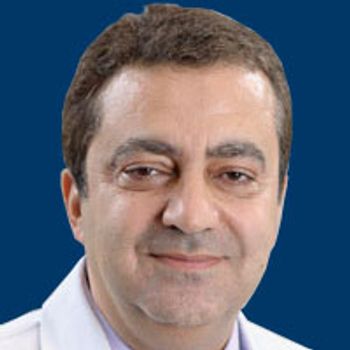
Anas Younes, MD, Chief of Lymphoma Service, Memorial Sloan Kettering Cancer Center, discusses the interim analysis of a study exploring the safety and efficacy of atezolizumab (Tecentriq) in combination with obinutuzumab (Gazya) and bendamustine in patients with previously untreated follicular lymphoma.

Axi-cel (axicabtagene ciloleucel; Yescarta) maintained a complete remission rate of 40% with a median follow-up of 15.4 months for patients with refractory, aggressive non-Hodgkin lymphoma.

The CAR T-cell therapy tisagenlecleucel (Kymriah) achieved an overall response rate of 53.1% in adult patients with relapsed/refractory diffuse large B-cell lymphoma.

The phase III ECHELON-1 study in Hodgkin lymphoma compared the use of A+AVD with standard chemotherapy of doxorubicin, bleomycin, vinblastine, and dacarbazine.

Treatment using BLU-285 (Avapritinib) induced clinically significant activity in patients with an advanced or aggressive form of systemic mastocytosis, according to data from an ongoing phase I trial.
Matthew S. Davids, MD, Associate Director, Dana-Farber Cancer Institute Center for Chronic Lymphocytic Leukemia, discusses a study that explored optimizing checkpoint blockade as a treatment for relapsed hematologic malignancies after allogenic hematopoietic cell transplantation.
Advertisement
Advertisement
Trending on OncLive
1
FDA Accepts NDA for Daraxonrasib in Previously Treated Metastatic Pancreatic Cancer
2
Dr Pant on the Potential Significance of Daraxonrasib for PDAC Management
3
Teclistamab Plus Talquetamab Yields Significant Survival Benefits in Earlier-Line R/R Myeloma
4
European Commission Approves Camizestrant Plus CDK4/6 Inhibition for Emergent ESR1-Mutated Advanced Breast Cancer
5