


Hematologic Oncology
Latest News

Advertisement
Latest Videos























































Advertisement
More News
Owen O'Connor, MD, PhD, discusses acalabrutinib (Calquence) in mantle cell lymphoma (MCL).

Jerry W. Mitchell, MD, discusses the use of medical marijuana as a chronic pain relief for patients with hematologic malignancies ad other tumor types.

Olga Frankfurt, MD, discusses advances in the field of AML and challenges that lie ahead.

Noelle Frey, MD, discusses the FDA approvals of CAR T-cell therapies, as well as the bright future of the treatment.

Brady L. Stein, MD, discusses the differences between the types of MPNs, the NCCN guideline changes, and the important role of JAK inhibitors.

Leo I. Gordon, MD, a professor of medicine at Feinberg School of Medicine, Northwestern University, discusses clinical trials in Hodgkin lymphoma.

Alexander E. Perl, MD, discusses the future of FLT3 inhibitors, current obstacles with treating patients with acute myeloid leukemia, and what pivotal trial results the community can expect to hear in the coming months.
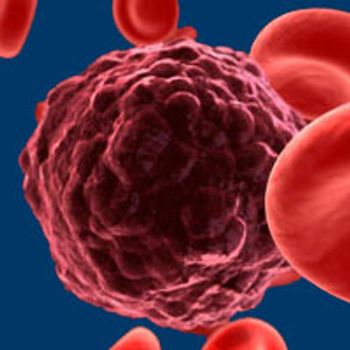
The FDA has granted a priority review to a biologics license application for mogamulizumab for the treatment of patients with cutaneous T-cell lymphoma who have received at least 1 prior systemic therapy.
Guy Young, MD, director, Hemostasis and Thrombosis Program, attending physician, Hematology, Oncology and Blood and Marrow Transplantation, Children’s Hospital Los Angeles, discusses the challenges of using anticoagulants in children with cancer.

Leo I. Gordon, MD, professor of medicine, Feinberg School of Medicine, Northwestern University, discusses the role of checkpoint inhibitors for patients with hematologic malignancies.
The European Commission has approved nilotinib (Tasigna) for the treatment of pediatric patients with Ph+ chronic myeloid leukemia in the chronic phase.
Jane N. Winter, MD, professor of medicine, Division of Hematology/Oncology, Northwestern University, discusses copanlisib (Aliqopa) in follicular lymphoma.
Advertisement
Advertisement
Trending on OncLive
1
FDA Accepts NDA for Daraxonrasib in Previously Treated Metastatic Pancreatic Cancer
2
Dr Pant on the Potential Significance of Daraxonrasib for PDAC Management
3
Teclistamab Plus Talquetamab Yields Significant Survival Benefits in Earlier-Line R/R Myeloma
4
European Commission Approves Camizestrant Plus CDK4/6 Inhibition for Emergent ESR1-Mutated Advanced Breast Cancer
5