
Hematologic Oncology
Latest News
Advertisement
Latest Videos

















































Advertisement
More News
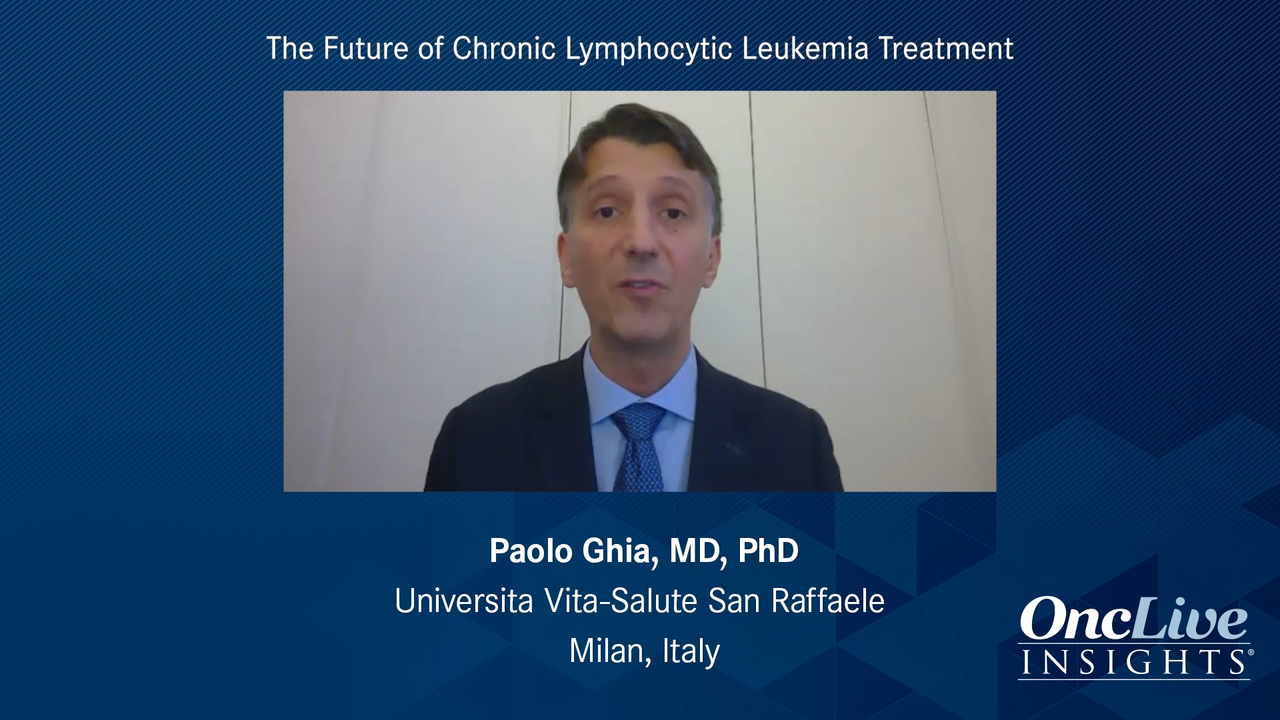
Experts provide an in-depth look at their approach in sequencing treatment in chronic lymphocytic leukemia.

Feburary 23, 2021 — The addition of the anti-CD20 monoclonal antibody ublituximab to ibrutinib led to a statistically higher overall response rate over ibrutinib alone with acceptable safety in patients with relapsed/refractory, high-risk, chronic lymphocytic leukemia.
Gary J. Schiller, MD, discusses data from the 2020 ASH Annual Meeting and Exposition and the role of transplant in chronic myeloid leukemia.


February 22, 2021 - The FDA has granted priority review to a supplemental new drug application for ruxolitinib for use in adult and pediatric patients aged 12 years and older with steroid-refractory chronic graft-versus-host disease.
Factors that hematologist-oncologists need to consider when selecting second-line therapy for relapsed follicular lymphoma.
Insight regarding the prognosis for patients with follicular lymphoma who relapse and impact of treatment sequencing on this trajectory.
A reduced frequency of maintenance vincristine and dexamethasone led to a 5-year overall survival rate of 98.6% and improved quality of life in pediatric patients with newly diagnosed, standard-risk B-cell acute lymphoblastic leukemia.

Kanwarpal S. Kahlon, MD, discusses the nuances of approaching treatment in ITP, updated guidelines to inform treatment selection, and recent data presented during the 2020 ASH Annual Meeting and Exposition that have the potential to advance the field.

Marc J. Braunstein, MD, PhD, discusses the evolution and promise of immunotherapeutics in multiple myeloma.

February 17, 2021 - Carl H. June, MD, and Steven A. Rosenberg, MD, PhD, have received the 2021 Dan David Prize Laureate for their research in oncology. They, along with Zelig Eshhar, an immunologist at the Weizmann Institute of Science and the Tel Aviv Sourasky Medical Center, will share a prize of $1 million.
February 17, 2021 — The FDA has accepted a supplemental new drug application of zanubrutinib for the treatment of adult patients with Waldenström macroglobulinemia.
February 17, 2021 — Cord blood–derived natural killer immunotherapy, when paired with high-dose chemotherapy and autologous stem cell transplant, showcased early antitumor activity in patients with B-cell non-Hodgkin lymphoma.
Experts discuss second-line treatment options in relapsed/refractory chronic lymphocytic leukemia, including a discussion on the MURANO trial.
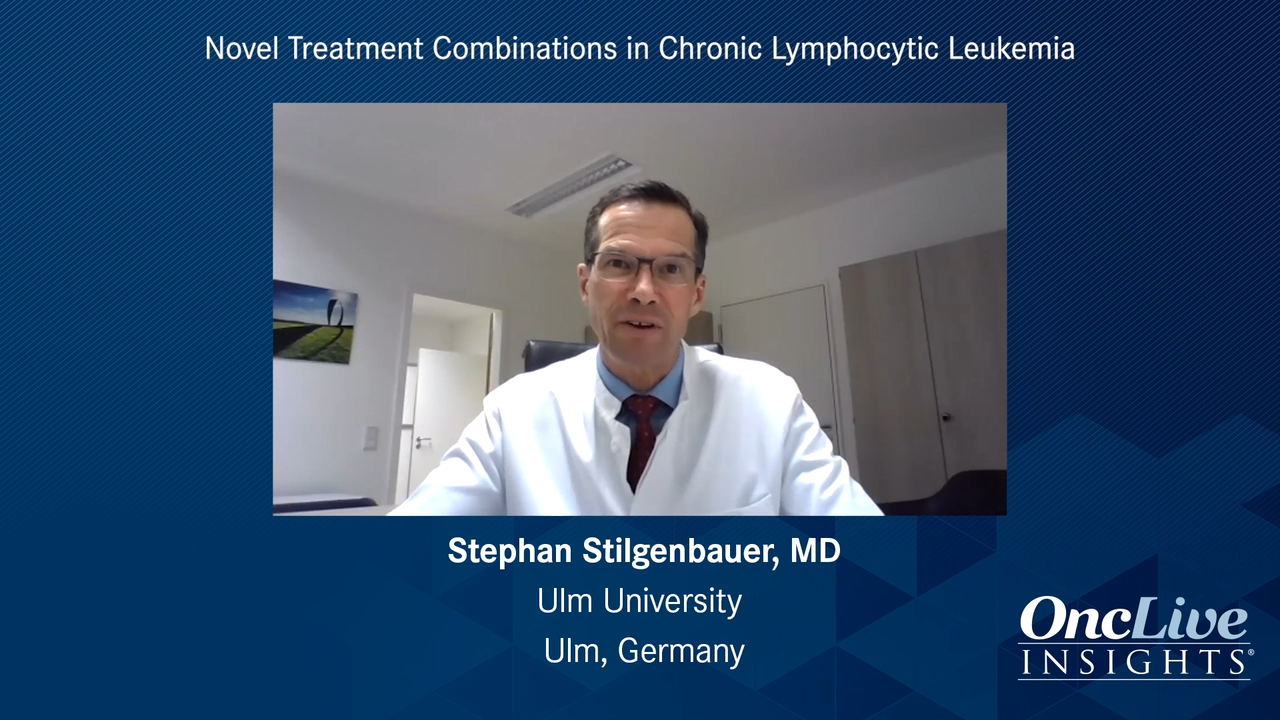
Dr Brown and Dr Stilgenbauer provide advice for community-based oncologists treating chronic lymphocytic leukemia.

Srdan Verstovsek, MD, PhD, discusses the use of luspatercept to treat anemia associated with myelofibrosis.
Advertisement
Advertisement
Trending on OncLive
1
FDA Approves Zidesamtinib in Pretreated ROS1+ NSCLC
2
Ivonescimab Plus Chemotherapy Sustains OS Benefit Across Western and Asian Patients in Pretreated EGFR-Mutated NSCLC
3
NMPA Accepts Toripalimab Plus Chemotherapy Application for Expanded Stage II-III NSCLC Use
4
Dr Patel on the Unmet Need in EGFR+ Transformed Small Cell Lung Cancer
5