



Immuno-Oncology
Latest News
Advertisement
Latest Videos

































































Advertisement
More News

Sumanta Kumar Pal, MD, medical oncologist, assistant clinical professor, Department of Medical Oncology and Therapeutics Research, City of Hope, discusses the challenges with sequencing the therapies available for patients with renal cell carcinoma (RCC). Pal shared this insight in an interview during the 2016 OncLive State of the Science Summit on GU Cancer.
Jonathan D. Schoenfeld, MD, MPhil, MPH, director, melanoma radiation oncology, physician, assistant professor of radiation oncology, Harvard Medical School, Dana-Farber Cancer Institute, discusses challenges with immune suppression with radiation and immunotherapy combinations.

Results from the phase II CheckMate-275 trial demonstrated favorable safety and efficacy with the PD-1 inhibitor nivolumab as a second-line treatment for patients with metastatic urothelial cancer who have progressed on first-line chemotherapy.
While immunotherapy is currently only beneficial in select cancers, it is possible for this type of treatment to eventually work for all patients.








Immunotherapy has been a game changer in oncology, improving survival and providing long, durable responses in melanoma, lung, head and neck cancer, and others.

The European Medicines Agency has accepted and validated a marketing authorization application for avelumab as a treatment for patients with metastatic Merkel cell carcinoma.
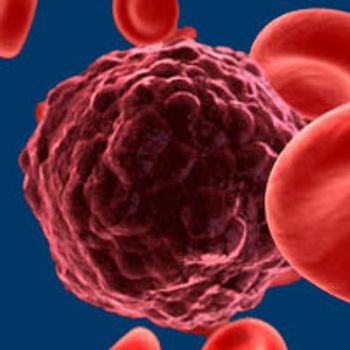
During the past several decades, it has become increasingly clear that there is a complicated relationship between a tumor and the patient’s immune system. Although the genetic and epigenetic changes that fuel cancer development create foreign antigens that should trigger an immune response, one of the hallmarks of cancer is its ability to evade this immune recognition.
Suzanne L. Topalian, MD, professor of Surgery, Johns Hopkins Medicine, discusses the role of the PD-L1 biomarker and other biomarkers on the horizon for the use in immunotherapy.
Janice Mehnert, MD, medical oncologist, director, Phase I and Developmental Therapeutics Program, Rutgers Cancer Institute of New Jersey, discusses challenges with identifying effective biomarkers in for immunotherapy agents.

Eileen M. O’Reilly, MD, associate director for Clinical Research, David M. Rubenstein Center for Pancreatic Cancer Research at Memorial Sloan Kettering Cancer Center, discusses resistance to immunotherapy in patients with pancreatic cancer.

Michael A. Postow, MD, medical oncologist, Memorial Sloan Kettering Cancer Center, discusses some of the exciting advancements seen with immunotherapy in the treatment of patients with melanoma.

Although nivolumab has demonstrated a clear survival advantage compared with chemotherapy in patients with progressive non–small cell lung cancer who express PD-L1 in their tumor cells, the same cannot be said for those who are PD-L1–negative.
Advertisement
Advertisement
Trending on OncLive
1
FDA Approves Tucatinib Plus Trastuzumab/Pertuzumab as First-Line Maintenance in Advanced HER2+ Breast Cancer
2
Iberdomide Plus Daratumumab/Dexamethasone Yields Significant PFS Benefit in R/R Myeloma
3
FDA Approves Atezolizumab Plus Chemo for Stage III dMMR Colon Cancer
4
VIR-5500 Receives FDA Fast Track Designation in mCRPC
5