




Immuno-Oncology
Latest News
Advertisement
Latest Videos






































































Advertisement
More News

Yvonee Saenger, MD, discusses ongoing developments with immunotherapy in melanoma.

Saeed Rafii, MD, PhD, medical director, Sarah Cannon Research Institute, United Kingdom, discusses novel immunotherapy approaches for the treatment of patients with bladder cancer.

Atezolizumab (Tecentriq) improved survival compared with docetaxel in patients with advanced non–small cell lung cancer following the failure of platinum-based chemotherapy.



David M. Nanus, MD, medical oncologist, Weill Cornell Medicine and NewYork-Presbyterian Hospital, discusses ongoing clinical trials exploring immunotherapy agents for the treatment of patients with bladder cancer.

Zev Wainberg, MD, discusses a plethora of immunotherapy agents, such as pembrolizumab (Keytruda), durvalumab, avelumab, and apatinib, for the treatment of patients with gastric cancer, as well as a number of ongoing clinical trials in this space.

Michael A. Poch, MD, urologist and assistant member at Moffitt Cancer Center, discusses the potential of nivolumab (Opdivo) as a treatment for patients with metastatic bladder cancer.


Karen Kelly, MD, associate director for Clinical Research, Jennifer Rene Harmon Tegley and Elizabeth Erica Harmon Endowed Chair in Cancer Clinical Research, professor of Medicine, UC Davis Comprehensive Cancer Center, UC Davis Health System, discusses the potential of immunotherapy combinations as treatment for patients with non–small cell lung cancer (NSCLC).

Jedd D. Wolchok, MD, PhD, discusses two pivotal studies, their impacts, and how far the field of immunotherapy has come in melanoma.

Michael Poch, MD, provides deeper insight into how immunotherapy has propelled the field of bladder cancer forward, as well as the research that still needs to be done.
Robert L. Ferris, MD, PhD, discusses the findings of the CheckMate-141 study, potential biomarkers for nivolumab (Opdivo), and questions that remain regarding the use of the immunotherapy in squamous cell carcinoma of the head and neck.

Shirish Gadgeel, MD, medical oncologist, leader of the Thoracic Oncology Multidisciplinary Team at Karmanos Cancer Institute, Wayne State University, discusses the KEYNOTE-021 study, which is examining the combination of pembrolizumab (Keytruda) and chemotherapy as a potential treatment for patients with non–small cell lung cancer.

Joshua M. Bauml, MD, discusses the impact of pembrolizumab's (Keytruda's) success in recurrent or metastatic head and neck squamous cell carcinoma, the results of the KEYNOTE-055 study, and what he sees on the horizon for the PD-1 inhibitor in this field.


Joshua M. Bauml, MD, assistant professor of Medicine, Hospital of the University of Pennsylvania and the Veteran's Administration Medical Center, discusses the differences between pembrolizumab (Keytruda) and cytotoxic chemotherapies.

Biomarkers, such as immune cell PD-L1 expression, mutational burden, and immune system activation should be investigated further to clarify the mechanisms behind response and nonresponse to immunotherapy in patients with lung cancer.
Treatment with pembrolizumab (Keytruda) led to a reduction of tumor size in 33% of patients with undifferentiated pleomorphic sarcoma and dedifferentiated liposarcoma.

Norman E. Sharpless, MD, discusses the impact of the CheckMate-069 trial, the toxicities that are associated with nivolumab (Opdivo)/ipilimumab (Yervoy), and what the future holds for immunotherapy combinations in the field of melanoma.

Paul A. Bunn Jr, MD, discusses the meaning of the CheckMate-026 results with frontline nivolumab in NSCLC and issues with the trial's primary endpoint of progression-free survival.
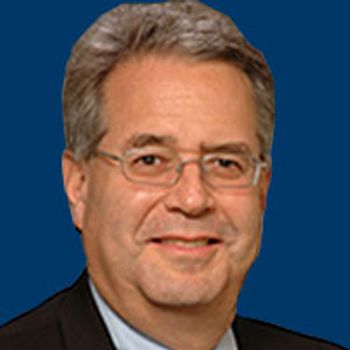
Gary D. Steinberg, MD, discusses the impact of atezolizumab (Tecentriq) on the treatment landscape of bladder cancer, the resistance to finding effective therapies for the disease, and what potential role immunotherapy may have in the field going forward.
Advertisement
Advertisement
Trending on OncLive
1
FDA Approves Tucatinib Plus Trastuzumab/Pertuzumab as First-Line Maintenance in Advanced HER2+ Breast Cancer
2
Iberdomide Plus Daratumumab/Dexamethasone Yields Significant PFS Benefit in R/R Myeloma
3
FDA Approves Atezolizumab Plus Chemo for Stage III dMMR Colon Cancer
4
VIR-5500 Receives FDA Fast Track Designation in mCRPC
5