




Lung Cancer
Latest News
FDA Grants Priority Review to Sotorasib for KRAS G12C–Mutated Advanced or Metastatic NSCLC
By Kristi Rosa
Advertisement
Latest Videos






























































Advertisement
More News

Jared Weiss, MD, discusses the FDA approval of trilaciclib in small cell lung cancer.
February 12, 2021 - The FDA has approved trilaciclib to reduce the frequency of chemotherapy-induced bone marrow suppression in adults receiving certain types of chemotherapy for extensive-stage small cell lung cancer.

Julie R. Brahmer, MD, discusses emerging targeted therapies for patients with lung cancer who harbor EGFR exon 20 insertion mutations.
Mary Jo J. Fidler, MD, discusses the potential for novel agents in EGFR exon 20–mutated non–small cell lung cancer.
Pasi A. Jänne, MD, PhD, discusses the rationale for exploring mobocertinib in EGFR exon 20–mutated non–small cell lung cancer.
With the emergence of multiple immunotherapy approaches in recent years, the decision of whether to use a single agent, to pair it with chemotherapy, or to pair it with another immunotherapy agent has come to the forefront of treatment.

Julie R. Brahmer, MD, discusses factors to consider when determining when to initiate immunotherapy in a patient with newly diagnosed non–small cell lung cancer.

Luis E. Raez, MD, discusses the potential utility of cemiplimab-rwlc in non–small cell lung cancer.
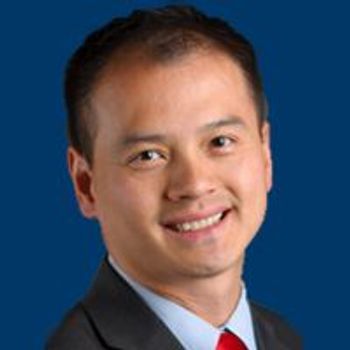
Vincent Lam, MD, describes frontline indications for this patient population, as well as strategies that can be utilized to overcome TKI resistance in later lines of therapy.
Immunotherapy plus chemotherapy is a standard of care for patients with advanced PD-L1–negative non–small cell lung cancer who do not harbor actionable driver mutations.

Synergizing EGFR TKIs with antiangiogenic agents and chemotherapy, as well as improving the use of molecular classification, are novel strategies aimed at taking the frontline setting for patients with EGFR-mutant non–small cell lung cancer to the next level.

Mark A. Socinski, MD, discusses the nuances of the PACIFIC trial and ongoing research with durvalumab that could extend the reach of immunotherapy in early-stage lung cancer.

Over the past 2 decades, the field of EGFR-mutated non–small cell lung cancer has grown tremendously, but the influx of data and the recent regulatory approval of adjuvant osimertinib have raised several important questions to be addressed to ensure that the optimal treatment approach is utilized.
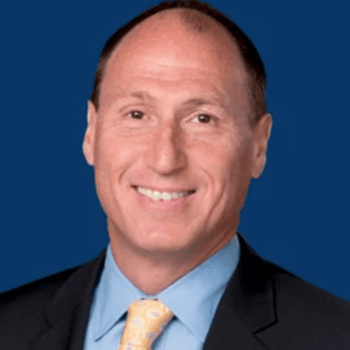
Rogerio C. Lilenbaum, MD, discusses some of the key clinical issues facing the lung cancer field, the role of genomic testing and multidisciplinary care, and the challenges that arose with telemedicine during the coronavirus disease 2019 pandemic.

In the quest for scientific purity, one should not lose sight of the meaningful end points that can make a difference in patients’ daily lives.

Mary Jo J. Fidler, MD, discusses the potential utility of circulating tumor DNA to inform treatment escalation in lung cancer.
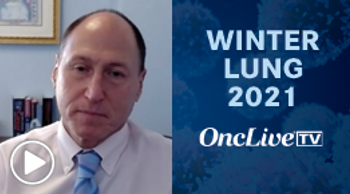
Rogerio C. Lilenbaum, MD, discusses the challenges of integrating telehealth services in lung cancer.

Mark A. Socinski, MD, discusses the role of immunotherapy in PD-L1–negative lung cancer.

Hossein Borghaei, DO, MS, discusses selecting between single-agent versus combination therapies in lung cancer.

Although advances in diagnosis and treatment have led to improvements in overall survival for patients with NSCLC, low rates of survival outcomes are present even in those with nonmetastatic disease.
Lori J. Wirth, MD, , discusses the potential impact of pralsetinib on the thyroid cancer treatment landscape.

Surgical resection should be a standard of care for patients with stage I to IIIA lung cancer, but probing for subclinical stage III disease with endobronchial ultrasound guided biopsy or mediastinoscopy to determine whether surgery should be performed prior to or after systemic therapy.

Ziad Hanhan MD, MPH, FACS, highlights the evolution of surgery in the field of lung cancer, the advantages associated with robotic techniques, and the crucial role of the surgeon in determining eligibility for these approaches.
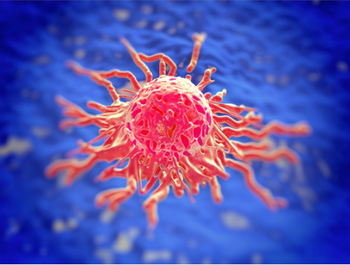
In a year marked by collaboration and innovation, therapeutic developments in oncology care once again dominated the novel drug approvals in 2020.
Florian Fintelmann, MD, discusses lung cancer screening with low-dose chest CT, barriers to testing, and the potential expansion of USPSTF lung cancer screening guidelines.
Advertisement
Advertisement
Trending on OncLive
1
Five Under 5: Top Oncology Videos for the Week of 10/5/2026
2
Armenia Grants First Marketing Authorizations to Botensilimab Plus Balstilimab in Previously Treated MSS mCRC
3
GI Cancer Monthly Rewind: Key News and Expert Insights You May Have Missed in September 2026
4
RYZ101 Meets Primary PFS End Point in Phase 3 ACTION-1 Trial for Post–Lutetium-177 GEP-NETs
5