



Lung Cancer
Latest News
January 5th 2021
By Kristi Rosa
January 5th, 2021 - The FDA has granted a breakthrough therapy designation to the anti-TIGIT therapy tiragolumab for use in combination with atezolizumab in the frontline treatment of patients with metastatic non–small cell lung cancer whose tumors are PD-L1 high and do not harbor any EGFR or ALK aberrations.
Advertisement
Latest Videos




































































Advertisement
More News
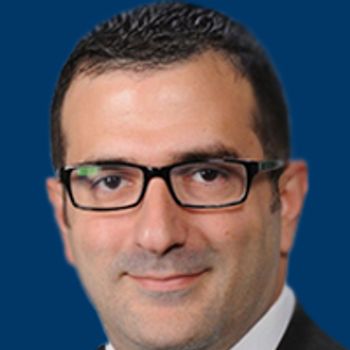
Rami Manochakian, MD, underscores the importance of looking for actionable alterations in lung cancer, barriers to genetic testing, and what is needed to overcome them.

December 30, 2020 - Bristol Myers Squibb has withdrawn nivolumab from the US market for the treatment of patients with small cell lung cancer who have experienced disease progression after a platinum-based chemotherapy and at least 1 other line of therapy.
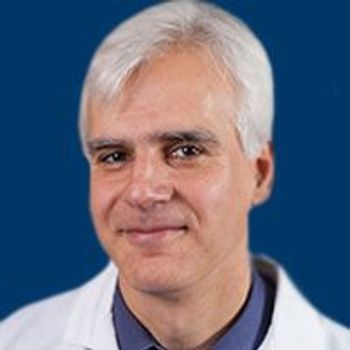
Balazs Halmos, MD, discussed differences in the management of early- vs late-stage non–small cell lung cancer and the erasure of single-modality therapy across the field.
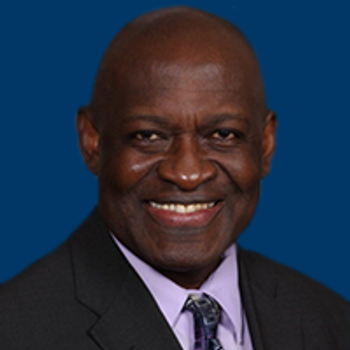
Alex A. Adjei, MD, PhD, discusses frontline treatment options for patients with advanced non–small cell lung cancer, as well as some of the nuances of selecting the optimal therapy.
December 28, 2020 - The FDA has granted priority review to a supplemental new drug application for lorlatinib for use as a frontline treatment in patients with ALK-positive metastatic non–small cell lung cancer.
Nicholas C. Rohs, MD, highlights the influx of clinical trials and the addition of immunotherapy in the adjuvant setting of lung cancer.
Stephen Liu, MD, discusses some pivotal data that support the expanding reach of targeted therapy in non–small cell lung cancer.
Rami Manochakian, MD, discusses the role of osimertinib in patients with EGFR-mutated NSCLC, strategies for treatment following progression on the third-generation TKI, and ongoing research efforts to further improve care.
December 18, 2020 - The FDA has approved osimertinib for use as an adjuvant treatment following tumor resection in patients with non–small cell lung cancer whose tumors harbor EGFR exon 19 deletions or exon 21 L858R mutations, as detected by an FDA-approved test.

December 18, 2020 - Sarah Cannon announced the promotion of Melissa Johnson, MD, to Program Director of Lung Cancer Research.
In our exclusive interview, Dr. Borghaei and Dr. Gunuganti discuss patient selection for frontline immunotherapy, combination immunotherapy, and chemoimmunotherapy in NSCLC, the importance of PD-L1 expression, and emerging agents that are coming down the pike.

December 17, 2020 - Jounce Therapeutics will evaluate its lead agent vopratelimab in combination with the anti–PD-1 monoclonal antibody JTX-4014, in patients with non-small cell lung cancer who have not received immunotherapy.

December 16, 2020 - A new drug application has been submitted to the FDA for sotorasib for the treatment of patients with KRAS G12C–mutant locally advanced or metastatic non–small cell lung cancer, as determined by an FDA-approved test, after at least 1 previous systemic therapy.

Several immunotherapeutic options are available for non–small cell lung cancer (NSCLC), allowing decisions to be made based on histology, PD-L1 expression, and patient preference in regard to their treatment goals. Looking ahead, there may also be efficacy in moving immunotherapy drugs up into the resectable, early-stage setting

Roy S. Herbst, MD, PhD, discusses biomarkers for immunotherapy response that are currently under investigation in non–small cell lung cancer (NSCLC).

Sarah B. Goldberg, MD, MPH, discusses the evolving role of immunotherapy in non–small cell lung cancer.

December 15, 2020 - The European Medicines Agency’s Committee for Medicinal Products for Human Use has adopted a positive opinion for an additional dosing option of durvalumab, a fixed dose of 1500 mg every 4 weeks, in the approved indication of locally advanced, unresectable non–small cell lung cancer in adults whose tumors have a PD-L1 expression of at least 1% and who did not have progressive disease after platinum-based chemoradiation treatment.

Balazs Halmos, MD discusses the year 2021 and how it will encompass a bigger focus on neoadjuvant and adjuvant trials, more novel molecular compounds for more select subgroups, and a migration of circulating tumor DNA into a more minimal residual disease–based setting.
Faculty of the MedStar Georgetown University Hospital-hosted Institutional Perspectives in Cancer webinar on lung cancer spotlight key advances made with targeted therapies in lung cancer, the ways in which immunotherapy has complicated treatment decisions, and more!

Jeffrey S. Weber, MD, PhD, discusses the toxicities associated with immunotherapy in lung cancer.

Checkpoint inhibitors have failed to improve progression-free survival and overall survival as second-line therapy and maintenance therapy in small cell lung cancer, but this class of agents continue to show encouraging activity worthy of a paradigm shift up front.
Advertisement
Advertisement
Trending on OncLive
1
Five Under 5: Top Oncology Videos for the Week of 10/5/2026
2
Guardant360 CDx Receives European Approval as Companion Diagnostic for Camizestrant in ESR1-Mutated Advanced Breast Cancer
3
GI Cancer Monthly Rewind: Key News and Expert Insights You May Have Missed in September 2026
4
Armenia Grants First Marketing Authorizations to Botensilimab Plus Balstilimab in Previously Treated MSS mCRC
5