
Lung Cancer
Latest News
Advertisement
Latest Videos































































Advertisement
More News
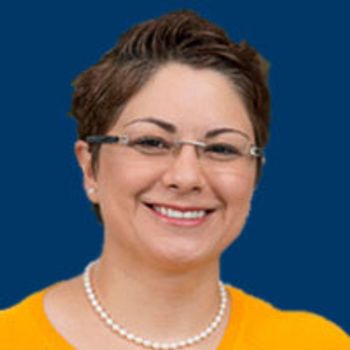
Azadeh Namakydoust, MD, discusses recent advancements in lung cancer and what the future holds.
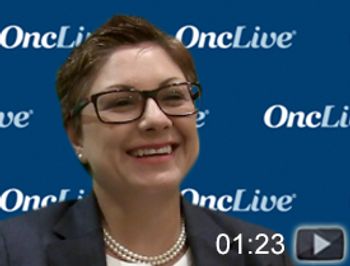
Azadeh Namakydoust, MD, FACP, thoracic oncologist, Memorial Sloan Kettering Cancer Center, discusses the use of next-generation sequencing (NGS) in lung cancer.
Benjamin P. Levy, MD, discusses the identification of molecular drivers in non–small cell lung cancer.
Mark G. Kris, MD, discusses the impact of targeted therapy in patients with EGFR-mutant NSCLC and the encouraging activity that has been reported with checkpoint inhibitors in advanced squamous disease.
Taofeek K. Owonikoko, MD, PhD, discusses current standard of care treatments for patients with small cell lung cancer.
Karen Kelly, MD, discusses how to determine treatment after patients with lung cancer progress on TKIs.
Isabel Preeshagul, DO, MBS, discusses encouraging updates with molecular drivers in non–small cell lung cancer and her advice to community oncologists treating patients.
Mary J. Fidler, MD, discusses the results of the phase III RELAY trial in treatment-naïve patients with EGFR-mutant non–small cell lung cancer.
Rapid advancements are dramatically changing the lung cancer treatment landscape, creating challenges across the spectrum of care.
Mark G. Kris, MD, discusses the ongoing search for additional biomarkers in advanced squamous non­–small cell lung cancer.
Brendon Stiles, MD, discusses considerations for surgery in lung cancer.
Michael D. Offin, MD, discusses targeted agents in MET- and RET-altered non–small cell lung cancer.
Suresh S. Ramalingam, MD, FASCO, highlights current and emerging therapies for 6 key actionable driver mutations in non–small cell lung cancer.
Hossein Borghaei, DO, MS, discusses the search for biomarkers in lung cancer.
Balazs Halmos, MD, MS, discusses actionable biomarkers in patients with oncogene-driven non–small cell lung cancer.
Fred R. Hirsch, MD, PhD, discusses the expansion of molecular testing in lung cancer.
Plasma genotyping is the next big thing in non–small cell lung cancer, and it's already impacting clinical practice.
Zofia Piotrowska, MD, MHS, discusses the role of osimertinib in treating patients with EGFR-mutant non–small cell lung cancer and how it compares with other therapeutic options in that space.

The use of immunotherapy, either as monotherapy or in combination with chemotherapy, continues to raise the bar with regard to overall survival benefit in patients with newly diagnosed, advanced nonsquamous non–small cell lung cancer.
Suresh S. Ramalingam, MD, FASCO, discusses updated data from the FLAURA trial in EGFR-mutant non–small cell lung cancer.
Neoadjuvant immunotherapy can offer promise to patients with resectable non–small cell lung cancer, but further investigation is required for optimal use, Tina Cascone, MD, PhD, said in a presentation during the 14th Annual New York Lung Cancers Symposium®.
Based on efficacy, tolerability, and practicality, neoadjuvant therapy in lung cancer offers significant advantages over adjuvant treatment, said Jamie E. Chaft, MD, in a presentation during the 14th Annual New York Lung Cancers Symposium®. However, she added, adjuvant treatment predominantly remains the standard of care at many cancer centers, she said.
Benjamin P. Levy, MD, discusses therapeutic strategies for patients with oncogenic-driven and nondriver non–small cell lung cancer.
W. Victoria Lai, MD, discusses the results of the phase III CASPIAN trial in small cell lung cancer.

Michael D. Offin, MD, discusses ongoing research focusing on some of the less-common targetable mutations in non–small cell lung cancer.
Advertisement
Advertisement
Trending on OncLive
1
Five Under 5: Top Oncology Videos for the Week of 10/5/2026
2
Guardant360 CDx Receives European Approval as Companion Diagnostic for Camizestrant in ESR1-Mutated Advanced Breast Cancer
3
GI Cancer Monthly Rewind: Key News and Expert Insights You May Have Missed in September 2026
4
The OncFive: Top Oncology Articles for the Week of 10/4/2026
5