


Lung Cancer
Latest News
Advertisement
Latest Videos
































































Advertisement
More News
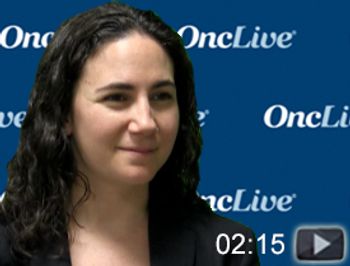
Sarah B. Goldberg, MD, MPH, an assistant professor of medicine at the Yale School of Medicine and Yale Cancer Center, discusses treatment strategies for patients with non–small cell lung cancer that develop central nervous system metastases.
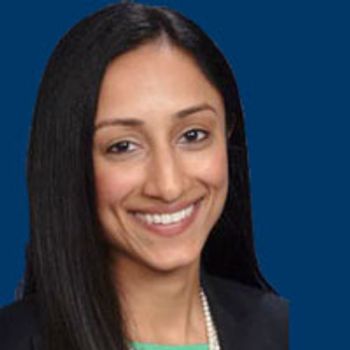
Sukhmani Padda, MD, discusses the practice-changing impact of osimertinib and addresses the challenges that still remain in EGFR-positive NSCLC.
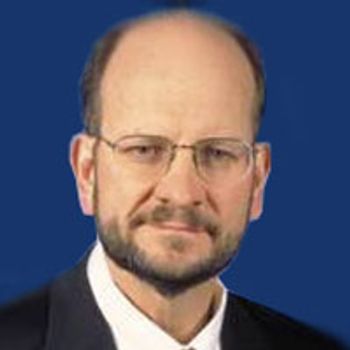
The European Medicines Agency’s Committee for Medicinal Products for Human Use has adopted a positive opinion for first-line treatment with pembrolizumab in combination with carboplatin and either paclitaxel or nab-paclitaxel in patients with metastatic squamous non–small cell lung cancer.

The European Medicine’s Agency Committee for Medicinal Products for Human Use has recommended approval for the frontline combination of atezolizumab, bevacizumab, paclitaxel, and carboplatin for the first-line treatment of patients with metastatic, nonsquamous non–small cell lung cancer.

The European Medicines Agency’s Committee for Medicinal Products for Human Use has recommended approval of dacomitinib for the frontline treatment of adult patients with metastatic non–small cell lung cancer with EGFR-activating mutations.
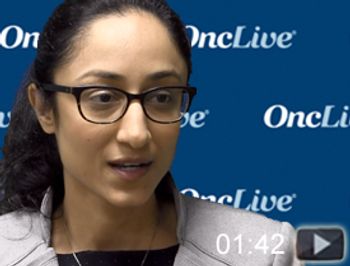
Sukhmani Padda, MD, assistant professor of medicine, Stanford University Medical Center, member, Stanford Cancer Institute, discusses therapy beyond osimertinib in the treatment of patients with EGFR-positive non–small cell lung cancer.

The FDA has expanded the indication for pemetrexed in combination with pembrolizumab and platinum-based chemotherapy for the first-line treatment of patients with metastatic nonsquamous non–small cell lung cancer without EGFR or ALK alterations.
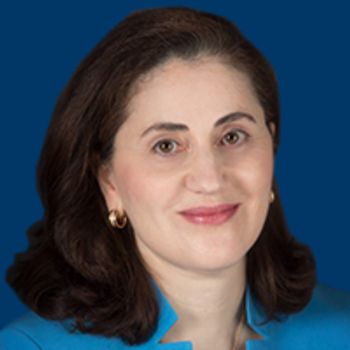
The Lung Cancer Master Protocol, known as the first precision medicine trial in lung cancer supported by the National Cancer Institute, has expanded to include patients with all types of non–small cell lung cancers.
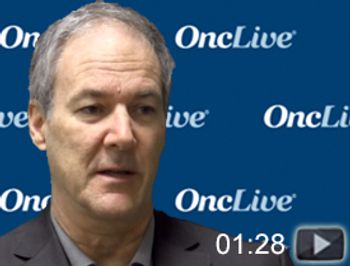
Eric Vallieres, MD, medical director, Division of Thoracic Surgery, Swedish Cancer Institute, discusses future applications for surgery in the treatment of patients with lung cancer.
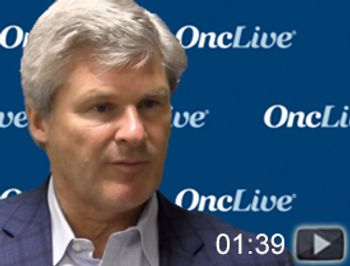
Mark A. Socinski, MD, executive medical director, AdventHealth Medical Group, discusses combination versus single-agent immunotherapy in patients with squamous non–small cell lung cancer.
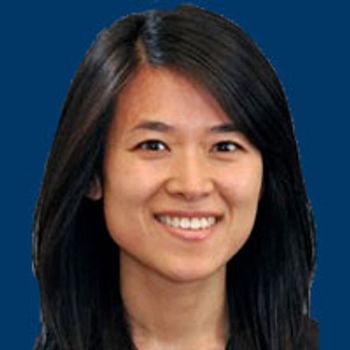
Until more biomarkers are available, the use of tumor mutational burden with PD-L1 expression could help oncologists further personalize immunotherapy choices for patients with non–small cell lung cancer.
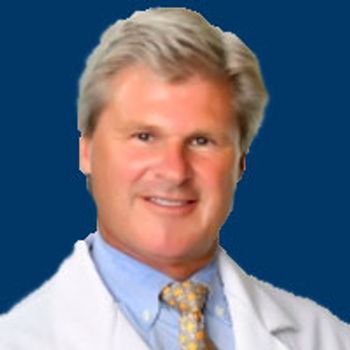
Mark A. Socinski, MD, provides an overview of treatment advances in the lung cancer landscape, and highlights where much-needed work still remains.

Findings from the PACIFIC trial have made a significant impact on the treatment of patients with unresectable stage III non–small cell lung cancer, especially in light of the history of treatment options in this setting.
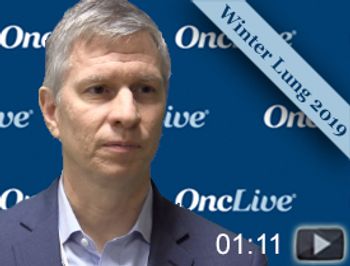
Roy Decker, MD, PhD, associate professor of Therapeutic Radiology, Yale Cancer Center, discusses the current role of radiation therapy in the treatment of patients with non–small cell lung cancer.
Despite the rapidly expanding therapeutic options available in immunotherapy for patients with non-small cell lung cancer, there are still a number of drawbacks to treatment, explaining why not all patients respond to current treatment options.

Mohammad Jahanzeb, MD, professor of Clinical Medicine, Hematology/Oncology, Sylvester Comprehensive Cancer Center, University of Miami Miller School of Medicine, discusses the eligibility criteria for immunotherapy trials in non–small cell lung cancer.
Data on many new treatment options have come forward over the past year highlighting the potential to treat more emerging oncogenic drivers impacting smaller subsets of patients with non–small cell lung cancer.
Eric Vallieres, MD, highlights the technological advances of lung cancer surgery and how this impacts the outlook for patients who are candidates for it.
Heather Wakelee, MD, associate professor of medicine (oncology), Stanford University Medical Center, discusses the current state of treatment in patients with non–small cell lung cancer.
Sarah B. Goldberg, MD, MPH, an assistant professor of medicine at the Yale School of Medicine and Yale Cancer Center, discusses traditional and emerging treatment approaches for patients with mesothelioma.
A growing focus on smaller oncogenic drivers in lung cancer has opened up new treatment options and many potential drugs in development for patients with less common alterations.
The treatment paradigm for EGFR-mutant non–small cell lung cancer has grown significantly with many EGFR TKIs now available to treat patients with this disease.
Rogerio Lilenbaum, MD, highlights the current treatment approaches for patients with EGFR-positive non–small cell lung cancer and shed light on the potential for immunotherapy in the space.
Julie R. Brahmer, MD, associate professor of oncology, co-director of the Upper Aerodigestive Department, Bloomberg Kimmel Institute for Cancer Immunotherapy, Johns Hopkins Medicine, discusses managing immune-related adverse events in lung cancer.
Edward B. Garon, MD, director of Thoracic Oncology at the Jonsson Comprehensive Cancer Center at University of California, Los Angeles, discusses the potential for immunotherapy in the treatment of patients with EGFR-positive non–small cell lung cancer.
Advertisement
Advertisement
Trending on OncLive
1
FDA Approves Tucatinib Plus Trastuzumab/Pertuzumab as First-Line Maintenance in Advanced HER2+ Breast Cancer
2
GI Cancer Monthly Rewind: Key News and Expert Insights You May Have Missed in September 2026
3
Five Under 5: Top Oncology Videos for the Week of 10/5/2026
4
FDA Grants Breakthrough Device Designation to Natera’s Multi-Cancer Early Detection Assay
5