





Lung Cancer
Latest News
Advertisement
Latest Videos






































































Advertisement
More News

Adding necitumumab to conventional chemotherapy improved outcomes in patients with metastatic squamous non–small cell lung cancer in the phase III SQUIRE trial, but the greatest benefit was derived by patients with EGFR-expressing tumors.

The first report of results from a phase Ib clinical trial evaluating CRS-207, a live, attenuated, double-deleted Listeria monocytogenes vaccine, in combination with pemetrexed and cisplatin, demonstrated the effectiveness of this approach for patients with malignant pleural mesothelioma.

A new generation of EGFR-targeted TKIs are poised to displace traditional agents as frontline therapies for patients with lung cancer.

John Haanen, MD PhD, epartment of Medical Oncology, The Netherlands Cancer Institute, Antoni van Leeuwenhoek Hospital, discussed the role of PD-L1 as a biomarker in lung cancer.

First-line treatment with single-agent osimertinib (Tagrisso) induced a response rate of 77% in patients with EGFR-mutated non–small cell lung cancer.

Thierry Jahan, MD, professor of medicine at the UCSF Helen Diller Family Comprehensive Cancer Center in San Francisco, discusses CRS-20, a live, attenuated Listeria monocytogenes bacterium which is being investigated with chemotherapy in malignant pleural mesothelioma (MPM).

Benjamin P. Levy, MD, assistant professor of Medicine, Hematology, and Medical Oncology at Mount Sinai Hospital, discusses how nivolumab (Opdivo) and pembrolizumab (Keytruda) have impacted the treatment landscape of non–small cell lung cancer.
The FDA’s Oncologic Drugs Advisory Committee (ODAC) voted 12-1 against the accelerated approval of rociletinib as a treatment for patients with metastatic EGFR T790M–mutated non–small cell lung cancer (NSCLC) who have previously received an EGFR-targeted therapy.

The FDA has granted a priority review to atezolizumab for the treatment of patients with locally advanced or metastatic non–small cell lung cancer who express PD-L1 and have progressed after a platinum-containing regimen.
The European Commission has approved nivolumab (Opdivo) for the treatment of patients with nonsquamous non–small cell lung cancer, regardless of PD-L1 levels.

Edward Kim, MD, discusses the impact of nivolumab (Opdivo) and pembrolizumab (Keytruda) in non–small cell lung cancer, potential combinations, biomarkers, and ongoing research.
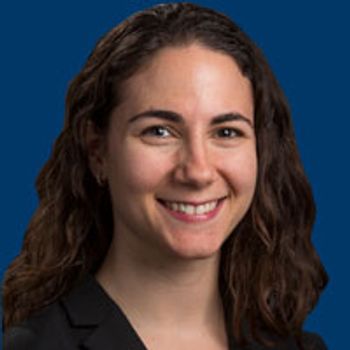
Sarah Goldberg, MD, MPH, discusses the efficacy of immunotherapies, PD-L1 as a biomarker, and how these therapies will continue to alter the treatment of patients with non–small cell lung cancer.
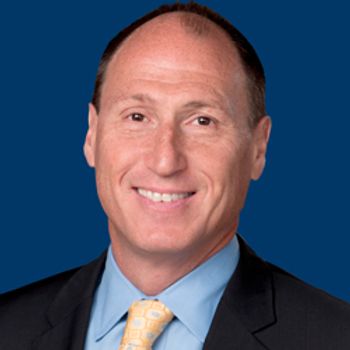
Testing for EGFR mutations should be routine in patients with non–small cell lung cancer. With the presence of an EGFR mutation TKIs are an appropriate treatment option across multiple lines of therapy, according to the latest update from the NCCN.

Leora Horn, MD, MSc, clinical director, Thoracic Oncology Program, assistant vice chancellor for faculty development, Vanderbilt-Ingram Cancer Center, provides her thoughts on how agents targeted T790M-mutant NSCLC will be incorporated into NCCN guidelines.
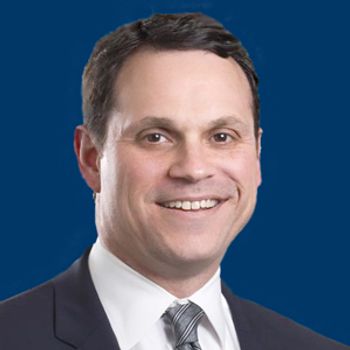
Treatment with gefitinib failed to show noninferiority compared with erlotinib for patients with pretreated non–small cell lung cancer.

Heather Wakelee, MD associate professor of Medicine (Oncology) at Stanford University Medical Center, discusses treating EGFR-mutant patients with lung cancer who are resistant to EGFR tyrosine kinase inhibitors (TKIs).


Advertisement
Advertisement
Trending on OncLive
1
FDA Approves Tucatinib Plus Trastuzumab/Pertuzumab as First-Line Maintenance in Advanced HER2+ Breast Cancer
2
Iberdomide Plus Daratumumab/Dexamethasone Yields Significant PFS Benefit in R/R Myeloma
3
FDA Approves Atezolizumab Plus Chemo for Stage III dMMR Colon Cancer
4
VIR-5500 Receives FDA Fast Track Designation in mCRPC
5