



Myeloproliferative Neoplasms
Latest News
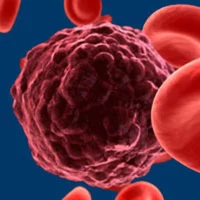

Idasanutlin Induces Responses in Polycythemia Vera, but GI AEs Lead to Frequent Dose Interruptions
By Wayne Kuznar

Interferon-Alpha Reduces Myelofibrosis Risk, Mortality Rate in Low- and High-Risk Polycythemia Vera
By Wayne Kuznar
Advertisement
Latest Videos






































































Advertisement
More News

Jerry Le Pow Spivak, MD, discusses diagnosing essential thrombocythemia.

Raajit K. Rampal, MD, PhD, discusses the evolution of prognostic models in essential thrombocythemia.
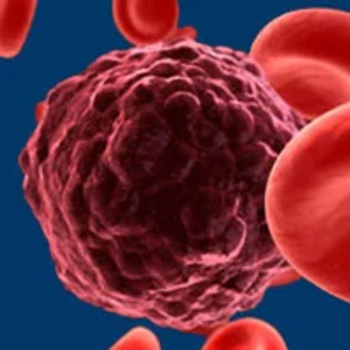
JAK2 and DNMT3A driver mutations can be acquired as early as in utero in patients with myeloproliferative neoplasms, demonstrating variable rates of clonal expansion and growth that influence the time to diagnosis.

Ruben A. Mesa, MD, discusses the anticipated utility of momelotinib in myelofibrosis.

Srdan Verstovsek, MD, PhD, discusses findings from the PV-AIM trial in polycythemia vera.

December 5, 2020 - Momelotinib improved overall survival and sustained efficacy outcomes in patients with intermediate- or high-risk myelofibrosis.

December 5, 2020 - Patients with myelofibrosis who are relapsed after or refractory to therapy with Janus kinase inhibitors saw better overall survival, spleen response, and symptom response with higher doses of the telomerase inhibitor imetelstat.

December 5, 2020 - The addition of navitoclax to ruxolitinib resulted in a clinically meaningful improvement in spleen volume and total symptom score in patients with myelofibrosis who no longer benefited from prior ruxolitinib therapy.

Firas El Chaer, MD, discusses the role of next-generation sequencing (NGS) in myeloproliferative neoplasms.

Prithviraj Bose, MD, discusses risk factors associated with essential thrombocythemia.

John O. Mascarenhas, MD, discusses the role of genetic testing in myeloproliferative neoplasms.

Ruben A. Mesa, MD, discusses the potential role of momelotinib in alleviating myelofibrosis-associated anemia.

Firas El Chaer, MD, discusses the potential utility of combination strategies with ruxolitinib in patients with myeloproliferative neoplasms.

November 25, 2020 — Ruxolitinib, when administered earlier on in the treatment course, led to high spleen response rates in patients with low-risk International Prognostic Scoring System myelofibrosis.
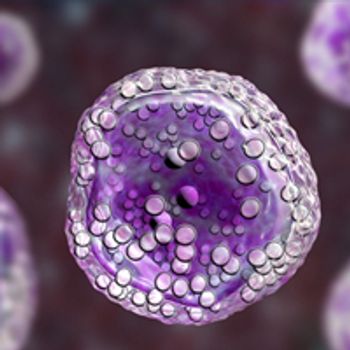
November 25, 2020 - The oral MDM2 antagonist idasanutlin was found to promote expansion of TP53-mutant subclones among patients with polycythemia vera.

John O. Mascarenhas, MD, discusses the potential significance of pacritinib in patients with myelofibrosis.
November 23, 2020 - The National Comprehensive Cancer Network has updated its Clinical Practice Guidelines in Oncology for Myelodysplastic Syndromes (MDS) to include the combination of decitabine and cedazuridine as a category 2a recommendation for the treatment of adult patients with intermediate- and high-risk MDS.

John O. Mascarenhas, MD, discusses how the positioning of JAK inhibitors in myelofibrosis has shifted, and also pointed to new agents under investigation.

John O. Mascarenhas, MD, discusses emerging agents in myelofibrosis.

In our exclusive interview, Dr. Mesa and Dr. Ulmer discuss the current roles of ruxolitinib and fedratinib in myelofibrosis, current guidance for JAK inhibitor dosing, the utility of re-exposure to JAK inhibitors, and clinical trial options.

Firas El Chaer, MD, discusses the limitations of JAK inhibitors in myelofibrosis.

John O. Mascarenhas, MD, discusses the promise of imetelstat in myelofibrosis.

Myelodysplastic syndrome is a challenging and complicated disease with median outcomes ranging from 5.3 years in patients with lower-risk disease to just 8.4 months in the very high-risk population.

John O. Mascarenhas, MD, discusses limitations with JAK inhibitors in myelofibrosis.

Ruben A. Mesa, MD, discusses management strategies for patients with myeloproliferative neoplasms.
Advertisement
Advertisement
Trending on OncLive
1
Dr Fradley on Real-World Atrial Fibrillation and Cardiovascular Outcomes in CLL
2
Poll Results Highlight Breast Cancer Abstracts of Interest at ESMO 2026
3
FDA Grants Fast Track Designation to Opamtistomig for Advanced Biliary Tract Cancer
4
Dr Hansen on the Integration of CAR T-Cell Therapy Into Earlier Myeloma Treatment Lines
5