



































Christophe Massard, MD, PhD, discusses the latest developments with durvalumab (Imfinzi) in urothelial carcinoma.
Christophe Massard, MD, PhD, discusses the latest developments with durvalumab (Imfinzi) in urothelial carcinoma.
Treatment with rituximab (Rituxan) plus lenalidomide (Revlimid) followed by maintenance therapy demonstrated promising clinical activity for patients with relapsed/refractory indolent non-Hodgkin's lymphoma, according to findings from the phase IIIb MAGNIFY study.
The European Commission has approved the rituximab (Rituxan) biosimilar Rixathon (GP2013) to treat patients with follicular lymphoma, diffuse large B-cell lymphoma, and chronic lymphocytic leukemia.
Phase III data from the ARIEL3 trial showed that rucaparib (Rubraca) improved progression-free survival versus placebo as a maintenance treatment for women with platinum-sensitive, high-grade ovarian, fallopian tube, or primary peritoneal cancer.
The FDA has accepted a supplemental biologics license application for the use of denosumab (Xgeva) for the prevention of skeletal-related events in patients with multiple myeloma.
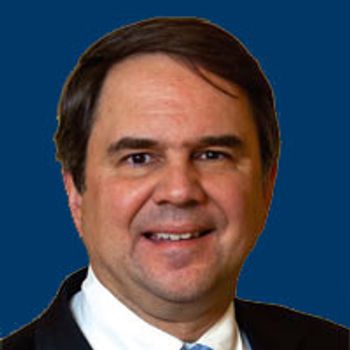
Daniel P. Petrylak, MD, discusses the KEYNOTE-045 results and the next steps with pembrolizumab (Keytruda) in urothelial carcinoma.
Regulatory actions have significantly reduced oncologists' pay in recent years, as part of the effort to improve value, but reforms are needed much higher up the drug distribution chain.
Lenvatinib (Lenvima) significantly improved overall survival in patients older than 65 years with radioiodine-refractory differentiated thyroid cancer.
Lurbinectedin (PM01183) induced a high rate of response as monotherapy and with doxorubicin or paclitaxel in patients with advanced endometrial cancer.

The FDA has approved daratumumab for use in combination with pomalidomide and dexamethasone for patients with multiple myeloma who have received at least 2 prior therapies, including a proteasome inhibitor and lenalidomide.
The PARP inhibitor olaparib demonstrated clinically significant, long-term treatment benefits in patients with platinum-sensitive relapsed serous ovarian cancer in a recent study.
Connie Batlevi, MD, PhD, discusses the combination of ibrutinib and buparlisib in MCL.
Bijal D. Shah, MD, discusses the current treatment paradigm of MCL, what therapies are moving through the pipeline at a rapid rate, the potential benefit with CAR T-cell therapy, and pivotal biomarker studies currently being conducted.
Ian W. Flinn, MD, PhD, discusses the 5-year update of the BRIGHT study in MCL and NHL.
Sarah Rutherford, MD, discusses rare DLBCL subtypes, ongoing research to improve outcomes for these patient populations, and the potential role of CAR T-cell therapy.
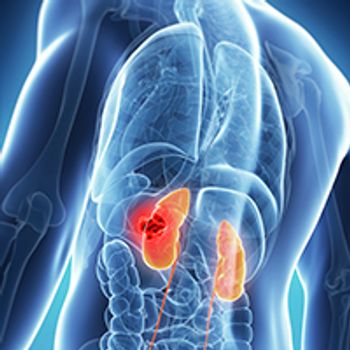
The combination of dalantercept plus axitinib (Inlyta) failed to significantly improve progression-free survival in patients with advanced renal cell carcinoma compared with placebo.
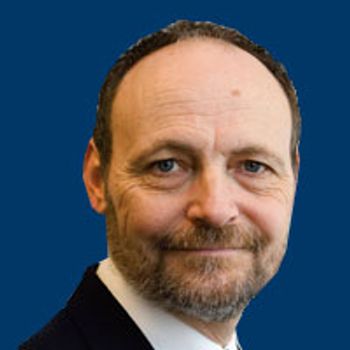
Michael J. Birrer, MD, PhD, discusses some of the exciting data presented at the 2017 ASCO Annual Meeting, especially with olaparib (Lynparza) in SOLO2, and what other emerging advancements are poised to transform the landscape.
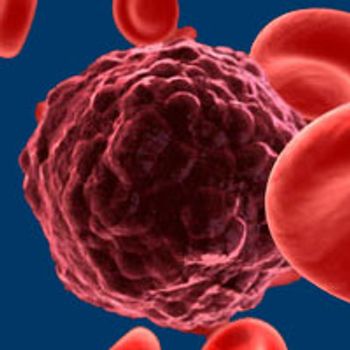
Merck announced that it is postponing enrollment in the phase III KEYNOTE-183 and KEYNOTE-185 trials because of deaths in patients with multiple myeloma assigned to pembrolizumab (Keytruda), the company's blockbuster anti-PD-1 therapy.
Inspired by the long tradition of innovation at Yale University, particularly in the life sciences, The Blavatnik Family Foundation has donated $10 million to Yale University to promote and to accelerate the development, application, and commercialization of breakthrough research in the life sciences.
The Yale School of Medicine, partnering with Yale New Haven Hospital, took the next step toward personalized medicine, cutting the ribbon on its Center for Genome Analysis on Yale’s West Campus.
Radiotherapy alone is often used to treat early-stage glottic cancer, a cancer of the vocal chords, however, the optimal radiation treatment schedule remains unknown.
In some cases, the Lassa virus starts with a fever and general weakness, moving toward headache, muscle pain, possible facial swelling, deafness, and worse. About 15 percent of patients hospitalized with severe cases die.
An early round of clinical testing shows that users of nivolumab (Opdivo), a drug sanctioned for treatment of small-cell lung cancer, more than tripled their five-year survival rate beyond the statistical average.