


Ovarian Cancer
Latest News
Advertisement
Latest Videos






























































Advertisement
More News
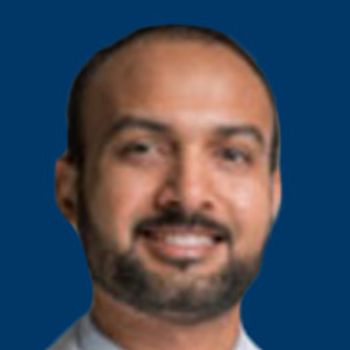
Mian M. Shahzad, MD, PhD, discusses the use of checkpoint inhibition in advanced ovarian cancer.
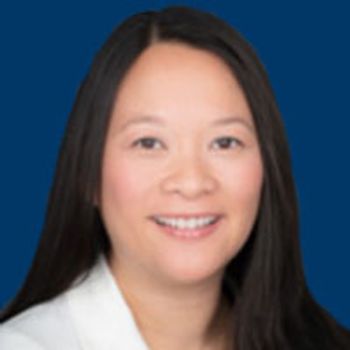
Jeannie Chern, MD, discusses developments with genetic testing in ovarian cancer and key trials in patients with recurrent disease.

OncLive interviewed experts at the State of the Science Summits in July 2019 on highly anticipated clinical trial results across tumor types.
Mitchel Hoffman, MD, explains the use of surgery and neoadjuvant chemotherapy in ovarian cancer.
Hye Sook Chon, MD, discusses the progress of maintenance therapy in ovarian cancer.
Robert M. Wenham, MD, discusses frontline management strategies for patients with newly diagnosed advanced ovarian cancer as well as the complexities of maintenance therapy.

Richard T. Penson, MD, MRCP, discusses novel strategies with PARP inhibitors and the use of biomarkers to create more personalized treatments for patients with platinum-sensitive ovarian cancer.
Angeles Alvarez Secord, MD, discusses the available treatment modalities for patients with platinum-sensitive and -resistant recurrent ovarian cancer.

Jubilee Brown, MD, discusses the importance of molecular testing immediately after an ovarian cancer diagnosis and how molecular testing will shape the field of ovarian cancer.

Matthew Powell, MD, discusses the trials that are generating excitement for combination immunotherapy as well as the impact of PARP inhibitors in the treatment of patients with ovarian cancer.
Thomas Herzog, MD, discusses recent changes in the ovarian cancer landscape, specifically PARP inhibitors and the optimal use of bevacizumab.

R. Wendel Naumann, MD, discusses the criteria for primary debulking versus neoadjuvant chemotherapy in patients with advanced ovarian cancer.
Advertisement
Advertisement
Trending on OncLive
1
Dr Cercek on the FDA Approval of Dostarlimab for dMMR/MSI-H Locally Advanced Rectal Cancer
2
Weigh Benefit Against Burden: Defining Lurbinectedin’s Role in a Shifting Small Cell Lung Cancer Landscape
3
Vilamakitug Meets OS Threshold in Phase 1/2 Refractory mCRC Trial
4
Dr Warren on the Goal of the 4WARD Trial Evaluating Mavorixafor in Chronic Neutropenia
5