




Prostate Cancer
Latest News
Advertisement
Latest Videos

















































Advertisement
More News
Alicia Morgan, MD, Mather Hospital, discusses the role of PARP inhibitors for patients with prostate cancer.

William K. Oh, MD, chief, Division of Hematology and Medical Oncology, professor of medicine and urology, Mount Sinai Hospital, discusses the role of immunotherapy for patients with prostate cancer.

Layering of therapies and advances in next-generation imaging and sequencing are key reasons that outcomes are improving in advanced prostate cancer.

Neeraj Agarwal, MD, associate professor, Division of Oncology, Department of Medicine, University of Utah School of Medicine, Huntsman Cancer Institute, discusses the advantages and disadvantages of choosing docetaxel as a therapy for patients with mCRPC.

For patients with oligorecurrent prostate cancer, androgen deprivation therapy–free survival was superior for those assigned to metastasis-directed therapy versus surveillance.

One-third of asymptomatic men with metastatic castration-resistant prostate cancer who progressed on enzalutamide (Xtandi) achieved a 50% decline in PSA concentration from baseline (PSA50) following bipolar androgen therapy.

Christopher Sweeney, MBBS, medical oncologist, Dana-Farber Cancer Institute, discusses tailoring treatment to individual patients with prostate cancer.

Although gene fusions between the TMPRSS2 gene and ETS family of transcription factors in prostate cancer have been recognized for more than a decade, the clinical relevance of this fusion event continues to be debated among experts.

Julie Graff, MD, assistant professor of medicine, OHSU Knight Cancer Institute, discusses the treatment of prostate cancer.

William K. Oh, MD, chief, Division of Hematology and Medical Oncology, professor of medicine and urology, Mount Sinai Hospital, discusses the hormone-sensitive setting of prostate cancer.
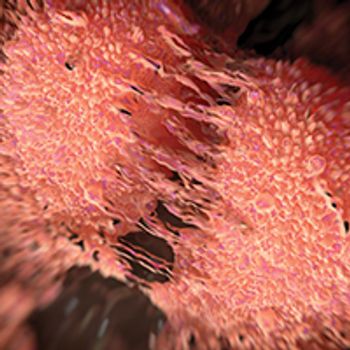
Men with metastatic castration-resistant prostate cancer who progressed following initial treatment with an androgen receptor-axis-targeted agent had better survival when treated with docetaxel in second-line.







Neeraj Agarwal, MD, associate professor, Division of Oncology, Department of Medicine, University of Utah School of Medicine, Huntsman Cancer Institute, discusses androgen receptor (AR) inhibitors for patients with prostate cancer.

Julie Graff, MD, assistant professor of medicine, OHSU Knight Cancer Institute, discusses the role of checkpoint inhibitors and PARP inhibitors for patients with prostate cancer.
Alicia Morgan, MD, discusses the role of PARP inhibitors as a novel treatment strategy for patients with metastatic castration-resistant prostate cancer.

The FDA has granted a priority review to a new drug application for apalutamide for the treatment of patients with nonmetastatic castration-resistant prostate cancer.
Advertisement
Advertisement
Trending on OncLive
1
Savolitinib Plus Osimertinib NDA Submitted to FDA for MET-Driven, EGFR-Mutated NSCLC After EGFR TKI
2
Daraxonrasib Approval Signals a New Era for RAS-Targeted Therapy in Pancreatic Cancer
3
Calculating the Real Cost of False Positive Findings in Cancer Screening
4
Cilta-Cel Shows Long-Term Treatment-Free Remissions in Lenalidomide-Refractory Myeloma
5