





Prostate Cancer
Latest News
Advertisement
Latest Videos

































































Advertisement
More News

As manufacturers charge increasingly higher prices for new therapies and even well-established agents, payers have responded with pressure on practices to justify every cost, and Urology Clinics of North Texas, like many other independent practices, is caught in the middle.
A recent nationally representative study published in JAMA Internal Medicine found that previously reported declines in prostate-specific antigen testing have not continued in recent years, and that approximately one-third of men age 50 years or older still receive routine PSA tests.
Kim Chi, MD, associate director of clinical research, Vancouver Prostate Centre, professor, Department of Medicine, University of British Columbia, discusses androgen deprivation therapy (ADT) with abiraterone acetate (Zytiga) plus prednisone or placebo in patients with high-risk metastatic hormone-naïve prostate cancer.

Although the past few months have seen several androgen receptor resistance, and described drug approvals for bladder cancer therapies, a wealth of research also is moving the field of prostate cancer forward, since gaining a better understanding of the disease is the best way to find out how to optimally treat—and perhaps ultimately cure—prostate cancer.
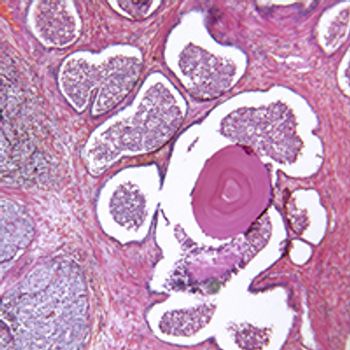
The addition of external beam radiation therapy to ADT reduced the risk of disease progression more than 70% compared with ADT alone among patients with locally advanced prostate cancer.

Radical prostatectomy does not significantly reduce all-cause or prostate cancer mortality compared with observation through nearly 20 years, according to the results from the phase III PIVOT trial.
Astellas Pharma and Pfizer have announced that phase III results from the PROSPER trial of enzalutamide (Xtandi) in men with nonmetastatic castration-resistant prostate cancer will be ready later this year.

Stacy Loeb, MD, assistant professor of Urology and Population Health at New York University, discusses test options to determine the management of patients newly diagnosed with prostate cancer.

Adam Scott Feldman, MD, MPH, urologist at Massachusetts General Hospital, assistant professor of Surgery, Harvard Medical School, discusses the significance of active surveillance for patients with prostate cancer.

Andrew J. Stephenson, MD, director for the Center of Urologic Oncology at the Cleveland Clinic, discusses the significance of a study investigating urinary, bowel, and sexual function at 2 years following the management of localized prostate cancer.
Wassim Abida, MD, PhD, medical oncologist, Developmental Therapeutics Center, Memorial Sloan Kettering Cancer Center, discusses the frequency of mutations for patients with prostate cancer.
William K. Oh, MD, chief, Division of Hematology and Medical Oncology, professor of Medicine and Urology, Mount Sinai School of Medicine, discusses AR-targeted therapy and chemotherapy for poor prognostic patients with castration-resistant prostate cancer.
A recent phase II trial demonstrated that the combination of docetaxel-based chemotherapy and dexamethasone showed significantly high PSA responses compared with previous studies in patients with CRPC.

The American Society of Clinical Oncology and Cancer Care Ontario have jointly updated their guideline for using brachytherapy treatment for patients with newly diagnosed prostate cancer who require or choose active treatment and are not considering, or are not suitable for, active surveillance.

Oliver Sartor, MD, a medical oncologist at the Tulane University School of Medicine, discusses the analysis of African-American patients receiving sipuleucel-T (Provenge) compared with Caucasians with metastatic castration-resistant prostate cancer.

The American Urological Association, in collaboration with the Society of Abdominal Radiology, convened for a Prostate Cancer Disease Focused Panel to conduct a literature review and create consensus statements regarding the role of prostate magnetic resonance imaging (MRI) and MRI-targeted biopsy in patients with a prior negative biopsy.

Michael Brawer, MD, vice president of Medical Affairs, Myriad Genetic Laboratories, discusses the Prolaris genetic test in predicting prostate cancer aggressiveness in African-American men.
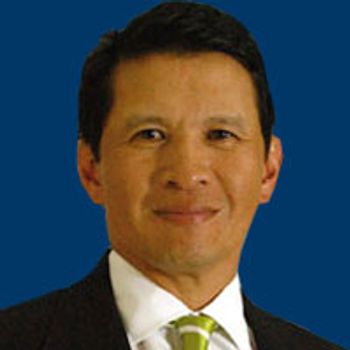
Raoul S. Concepcion, MD, discusses the new era of molecular testing and screening and how it has impacted the field of prostate cancer thus far.
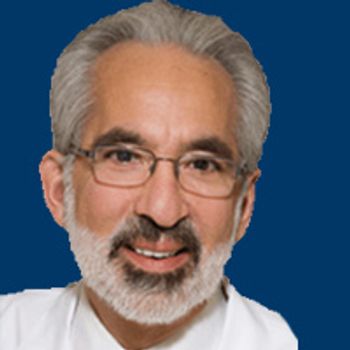
Michael Barkoukis, MD, and Tim Sidor, MD, started SouthWest Urology of Cleveland, OH, in 1982 from scratch with $100,000 in borrowed capital, a box of pens, and a copy machine.

Andrew Vickers, PhD, attending research methodologist at Memorial Sloan Kettering Cancer Center discusses studies of the controversial prostate-specific antigen (PSA) test for patients with prostate cancer.

Adam Scott Feldman, MD, MPH, urologist at Massachusetts General Hospital, assistant professor of Surgery, Harvard Medical School, discusses a study focused on active surveillance in men with prostate cancer under the age of 60.

The genomic landscape of metastatic castration-resistant prostate cancer is becoming increasingly well defined, with new clinical data emerging to clarify and, in many cases, support the use of PARP inhibitors.
Andrew J. Stephenson, MD, director for the Center of Urologic Oncology at the Cleveland Clinic discusses urinary, bowel, and sexual function following the management of localized prostate cancer.

Paul G. Corn, MD, PhD, associate professor, Department of Genitourinary Medical Oncology, Division of Cancer Medicine, The University of Texas MD Anderson Cancer Center, discusses the possibility of immunotherapy in patients with prostate cancer.

Stacy Loeb, MD, assistant professor of Urology and Population Health at New York University, discusses active surveillance for patients with low-risk prostate cancer.
Advertisement
Advertisement
Trending on OncLive
1
Savolitinib Plus Osimertinib NDA Submitted to FDA for MET-Driven, EGFR-Mutated NSCLC After EGFR TKI
2
Calculating the Real Cost of False Positive Findings in Cancer Screening
3
FDA Grants Priority Review to Elinzanetant for Endocrine Therapy–Associated Vasomotor Symptoms in HR+ Breast Cancer
4
Cilta-Cel Shows Long-Term Treatment-Free Remissions in Lenalidomide-Refractory Myeloma
5