




Prostate Cancer
Latest News
Advertisement
Latest Videos































































Advertisement
More News

Susan F. Slovin, MD, PhD, medical oncologist, Memorial Sloan Kettering Cancer Center, discusses the current role of immunotherapy in patients with advanced prostate cancer.
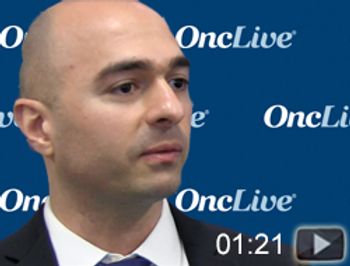
Wassim Abida, MD, PhD, medical oncologist, Developmental Therapeutics Center, Memorial Sloan Kettering Cancer Center, discusses genetic testing for patients with prostate cancer.
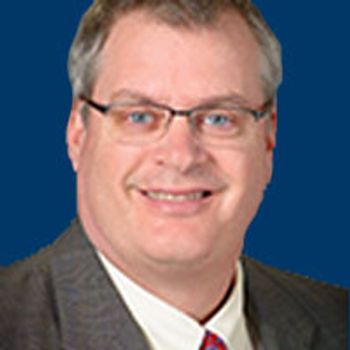
Paul G. Corn, MD, PhD, discusses recent advances in prostate cancer and the potential for immunotherapy and PARP inhibitors in the field.
Seungtaek L. Choi, MD, discussed the latest developments with radiation therapy in prostate cancer.
John C. Araujo, MD, PhD, assistant professor, Department of Genitourinary Medical Oncology, Division of Cancer Medicine, The University of Texas MD Anderson Cancer Center, discusses emerging data with radium-223 dichloride (Xofigo) for the treatment of patients with metastatic castration-resistant prostate cancer (mCRPC). Araujo shared this insight during the 2017 OncLive® State of the Science Summit on Genitourinary Cancers.
Leonard Gomella, MD, discusses the current state and critical next steps for optimizing genetic testing in prostate cancer.
Eric Klein, MD, professor of Surgery, Lerner College of Medicine, Cleveland Clinic, discusses gene mutations in patients with prostate cancer.
Seungtaek L. Choi, MD, an assistant professor in the Department of Radiation Oncology, and clinical Medical Director, Department of Genitourinary Medical Oncology, Division of Radiation Oncology, The University of Texas MD Anderson Cancer Center, discusses how radiation therapy has evolved for the treatment of patients with prostate cancer.
Brian F. Chapin, MD, discusses the importance of active surveillance in patients with prostate cancer at a low risk of developing metastases and the benefits of surgery and radiation as active treatment methods for patients with locally advanced disease.
Leonard Gomella, MD, professor, chair, Department of Urology, director, Kimmel Cancer Center Network, Thomas Jefferson University Hospital, discusses challenges facing genetic testing for patients with prostate cancer.

Paul G. Corn, MD, PhD, associate professor, Department of Genitourinary Medical Oncology, Division of Cancer Medicine, The University of Texas MD Anderson Cancer Center, discusses the agents available to treat patients with metastatic castration-resistant prostate cancer (mCRPC)
Brian F. Chapin, MD, assistant professor, Department of Urology, Division of Surgery, The University of Texas MD Anderson Cancer Center, discusses the considering factors for a patient with prostate cancer to undergo active surveillance versus active treatment.

Developing and validating a predictive model for patient-reported health-related quality of life remains an elusive target, and one that has great potential to further improve satisfaction with outcome following prostate cancer treatment in a great number of prostate cancer survivors.
John C. Araujo, MD, PhD, discusses targeted therapies, current and emerging, for patients with bone-metastatic castration-resistant prostate cancer.
Daniel Petrylak, MD, discusses the significance of genetics in the future of prostate cancer care and highlights emerging treatments and challenges in the field.
John C. Araujo, MD, PhD, assistant professor, Department of Genitourinary Medical Oncology, Division of Cancer Medicine, The University of Texas MD Anderson Cancer Center, discusses the importance of bone-targeting agents for the treatment of patients with metastatic castration-resistant prostate cancer (mCRPC). Araujo shared this insight during the 2017 OncLive® State of the Science Summit on Genitourinary Cancers.
E. David Crawford, MD, professor of Radiation Oncology, University of Colorado School of Medicine, discusses challenges facing PSA testing for patients with prostate cancer.
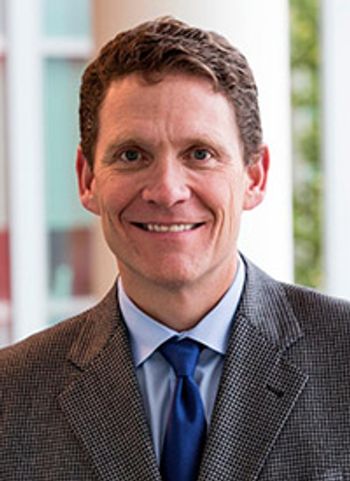
Christopher J. Kane, MD, professor of Surgery, chair, Department of Urology, UC San Diego Health, discusses high-penetrance genetic syndromes in patients with prostate cancer.

Phil Febbo, MD, chief medical officer, Genomic Health, explains the Oncotype DX Genomic Prostate Score (GPS) for patients with clinically low-risk prostate cancer.
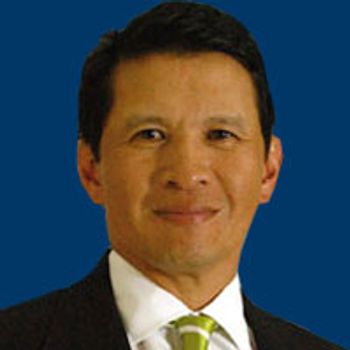
Raoul S. Concepcion, MD, calls for increased oncology education and information sharing among the urology community across the globe, as urologists play a critical role in delivering and managing cancer treatment.
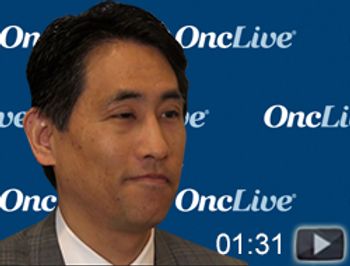
Scott T. Tagawa, MD, Weill Cornell Medicine, discusses next steps for taxanes following the TAXYNERGY trial in prostate cancer.

Fred Saad, MD, professor and chief of Urology, director of Genitourinary Oncology at the University of Montreal Hospital Centers, discusses results of a trial that investigated early use of radium-223 dichloride (Xofigo) in patients with asymptomatic metastatic castration-resistant prostate cancer.
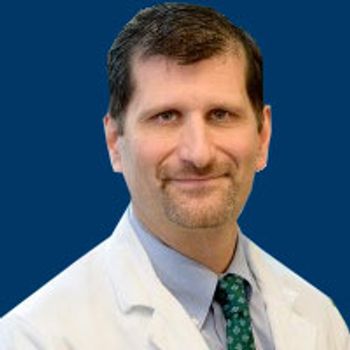
Michael J. Morris, MD, discusses a phase I/II trial in which the combination of radium-223 (Xofigo) and docetaxel had a greater effect than docetaxel alone on bone biomarkers in patients with bone-metastatic castration-resistant prostate cancer.
William K. Oh, MD, discusses the continued use of chemotherapy in patients with metastatic castration-resistant prostate cancer.

William K. Oh, MD, chief, Division of Hematology and Medical Oncology, professor of Medicine and Urology, Mount Sinai School of Medicine, discusses sequencing of new therapies for castration-resistant prostate cancer (CRPC).
Advertisement
Advertisement
Trending on OncLive
1
Savolitinib Plus Osimertinib NDA Submitted to FDA for MET-Driven, EGFR-Mutated NSCLC After EGFR TKI
2
Calculating the Real Cost of False Positive Findings in Cancer Screening
3
FDA Grants Priority Review to Elinzanetant for Endocrine Therapy–Associated Vasomotor Symptoms in HR+ Breast Cancer
4
Cilta-Cel Shows Long-Term Treatment-Free Remissions in Lenalidomide-Refractory Myeloma
5