





Prostate Cancer
Latest News
Advertisement
Latest Videos



































































Advertisement
More News

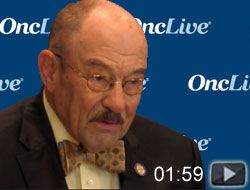
Philip J. Buffington, MD, chief medical officer, The Urology Group, discusses effective prostate cancer screening methods and when to use active surveillance.

David Albala, MD, urologist and medical director, Associated Medical Professionals, discusses the benefits associated with robotic surgery in the treatment of patients with prostate cancer.

William Oh, MD, discusses the continued significant of docetaxel in advanced prostate cancer.

Robert Dreicer, MD, associate director for Clinical Research and deputy director of the University of Virginia Cancer Center, discusses novel agents or clinical trials in development designed to help guide treatment decisions for patients with prostate cancer.
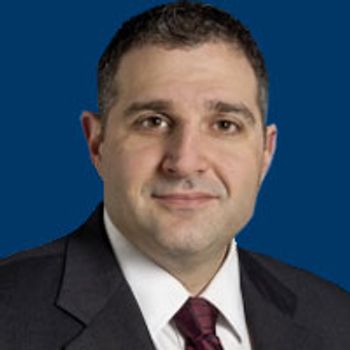
In 1941, Charles Brenton Huggins, MD, observed that prostate cancer could be controlled by hormone-directed treatments, a discovery for which he was awarded half the Nobel Prize in Physiology or Medicine in 1966.

Bryan Mehlhaff, MD, medical director of research for Oregon Urology Institute, discusses the ways in which the treatment landscape in prostate cancer has evolved in recent years.

Mark Stein, MD, medical oncologist, Rutgers Cancer Institute of New Jersey, discusses trials investigating the use of circulating tumor cells as biomarkers for patients with prostate cancer.

William K. Oh, MD, chief, Division of Hematology and Medical Oncology, professor of Medicine and Urology, Mount Sinai School of Medicine, discusses the safety profile of docetaxel when administered to patients with prostate cancer.

At this year’s Chemotherapy Symposium held in New York, a standout presentation by Mark Stein, MD, showed that there is a lot of promise in the area of circulating tumor cell biomarkers for patients with prostate cancer.

Przemyslaw W. Twardowski, MD, director, Prostate Oncology Strategic Program, director, Genitourinary Program, clinical professor, Department of Medical Oncology and Therapeutics Research, discusses the necessary steps toward determining optimal sequencing of treatments for patients with metastatic castration-resistant prostate cancer.

Adding enzalutamide to abiraterone acetate failed to improve progression-free survival versus abiraterone alone in chemotherapy-naïve patients with metastatic castration-resistant prostate cancer who progressed on enzalutamide.

For patients with metastatic castration-resistant prostate cancer, the radiopharmaceutical radium-223 dichloride has proven to be an efficacious bone-targeted agent.
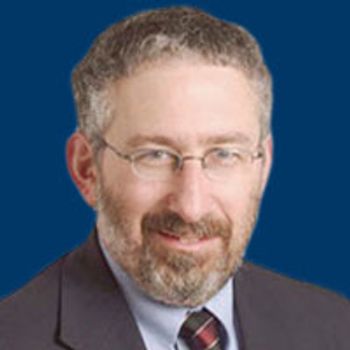
It was not that long ago that decisions regarding cancer management were essentially made exclusively by the treating physician, with patients simply being informed of “the plan” for their treatment.









A coordinated network of signaling pathways works to protect the cell from the toxic effects of DNA damage.

Michael J. Morris, MD, an associate professor of Medicine at Memorial Sloan Kettering Cancer, discusses the benefits of radium-223 dichloride (Xofigo) in patients with metastatic castration-resistant prostate cancer (mCRPC).

Winald Gerritsen, MD, PhD, professor and medical oncologist, Radboud Medical Center, discusses a phase II study that examined the activity of alisertib monotherapy in patients with neuroendocrine prostate cancer.
Advertisement
Advertisement
Trending on OncLive
1
Savolitinib Plus Osimertinib NDA Submitted to FDA for MET-Driven, EGFR-Mutated NSCLC After EGFR TKI
2
Calculating the Real Cost of False Positive Findings in Cancer Screening
3
FDA Grants Priority Review to Elinzanetant for Endocrine Therapy–Associated Vasomotor Symptoms in HR+ Breast Cancer
4
Cilta-Cel Shows Long-Term Treatment-Free Remissions in Lenalidomide-Refractory Myeloma
5