
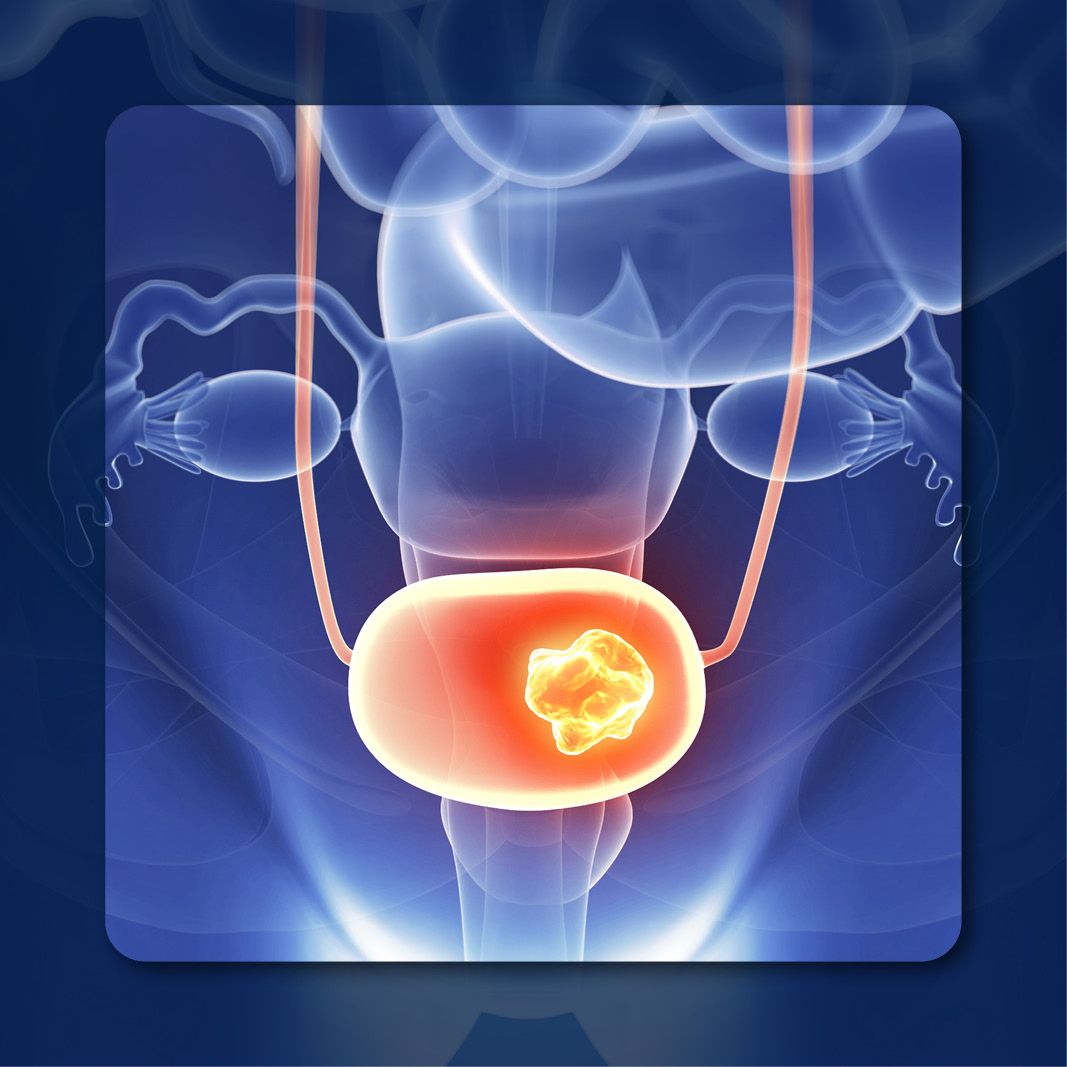




Urothelial Cancer
Latest News
Advertisement
Latest Videos
































































Advertisement
More News

Bogdana Schmidt, MD, MPH, highlights FDA approved bladder-sparing therapies for patients with BCG-refractory non–muscle-invasive bladder cancer.

Petros Grivas, MD, PhD, discusses key findings from the NIAGARA trial and how these data support the use of perioperative durvalumab in MIBC management.
A meeting has been requested to address the FDA's refusal to file an sBLA for nogapendekin alfa inbakicept plus BCG in BCG-unresponsive papillary NMIBC.

The top 5 OncLive videos of the week cover insights in colorectal cancer, prostate cancer, myeloma, renal cell carcinoma, and urothelial carcinoma.

Experts revisit the most intriguing abstracts and data they saw presented at the 2025 American Urological Association Annual Meeting.
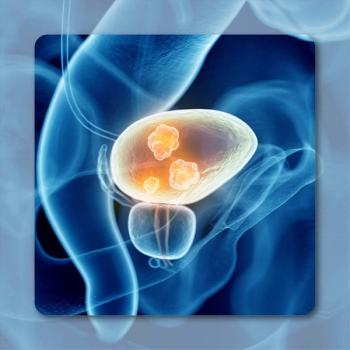
Among 3 subgroups of patients with BCG-unresponsive NMIBC, no significant clinical differences were identified regarding rates of high-grade recurrence.

Expert investigators discuss the current and future landscape of cancer vaccine development in various tumor types.
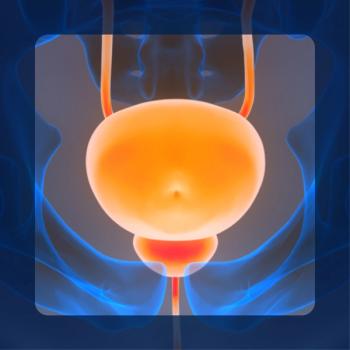
Padeliporfin vascular targeted photodynamic therapy was safe and generated responses in low-grade, upper tract urothelial cancer.

Felix Guerrero-Ramos, MD, PhD, discusses the potential role of TAR-200 in high-risk, BCG-unresponsive, papillary-only non–muscle-invasive bladder cancer.

Alireza Ghoreifi, MD, discusses the feasibility of consolidative surgery for advanced urothelial cancer receiving pembrolizumab/enfortumab vedotin.
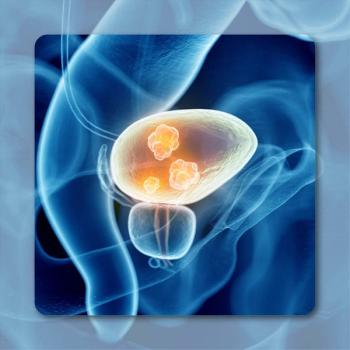
Interim data from a phase 2 study support the potential of TARA-002 as an intravesical immunotherapy in high-risk NMIBC.
Neoadjuvant mitomycin C improved 18-month recurrence-free survival and demonstrated favorable safety in non–muscle-invasive bladder cancer.

Joseph Jacob, MD, MCR, discusses how emerging data for TAR-200 could represent a shift in the treatment paradigm for patients with high-risk non–muscle-invasive bladder cancer.
Colin P.N. Dinney, MD, discusses urinary genomic disease burden as a potential biomarker for response to cretostimogene grenadenorepvec in bladder cancer.
Disitamab Vedotin/BCG Could Provide a New Bladder Sparing Therapy in HER2-Expressing High-Risk NMIBC
The addition of disitamab vedotin to BCG demonstrated high CR rates in HER2-expressing, high-risk NMIBC.
Nogapendekin alfa inbakicept demonstrated sustained CR rates in patients with high-risk BCG-unresponsive NMIBC.
UGN-102 elicits robust responses with acceptable tolerability in recurrent low-grade intermediate-risk non–muscle-invasive bladder cancer.
Enfortumab vedotin plus pembrolizumab followed by surgery led to high CR rates in advanced urothelial cancer.
TAR-200 showed promising results in treating patients with BCG-unresponsive, high-risk NMIBC, achieving an 82.4% complete response rate.
Cretostimogene grenadenorepvec generated complete responses in patients with high-risk BCG-unresponsive NMIBC and CIS with or without Ta/T1 tumors.
TAR-200 produced durable disease-free survival in BCG-unresponsive, papillary-only, high-risk non–muscle-invasive bladder cancer.

Sasanlimab plus BCG significantly improved EFS vs BCG alone in high-risk non–muscle-invasive bladder cancer.
Twelve-month RFS was associated with MRD status in patients with BCG-unresponsive, NMIBC who received treatment with cretostimogene grenadenorepvec.
Continued evaluation of UGN-301 in patients with recurrent NMIBC is warranted.
Advertisement
Advertisement
Trending on OncLive
1
INBRX-106 Plus Pembrolizumab Improves Responses and PFS in First-Line PD-L1–Positive HNSCC
2
FDA Approves Pirtobrutinib for Previously Untreated CLL/SLL
3
Five Under 5: Top Oncology Videos for the Week of 9/27
4
AUA Releases Guideline Amendment for NMIBC
5