
Maurie Markman, MD, discusses the utility of PARP inhibitors in ovarian cancer.
Maurie Markman, MD, discusses the utility of PARP inhibitors in ovarian cancer.
James B. Yu, MD, MHS, discusses the utility of radiation in men with prostate cancer.
Norman E. “Ned” Sharpless, MD, discusses the efforts that The National Cancer Institute has made to combat the coronavirus disease 2019 pandemic.
Clifford A. Hudis, MD, CEO highlights cancer mortality and how it has steadily declined in the United States since 1975.
Targeted agents have restructured the treatment paradigm for patients with advanced hepatocellular carcinoma. The present challenge is to identify the patients most likely to benefit from frontline treatment regimens.
Jeffrey S. Weber, MD, PhD, discusses the evolution of the treatment paradigm in melanoma.
Ursula Matulonis, MD, highlights immunotherapy agents have demonstrated moderate clinical activity for patients with gynecologic cancers, however they fail to yield significant response rates in both the newly-diagnosed and recurrent settings.
Komal Jhaveri, MD, FACP, discusses the importance of outlining the first-line treatment course for patients with HER2-positive breast cancer.
There is still a great deal to learn about the optimal use of BRAF-targeted therapy, as well as immunotherapy, in the adjuvant setting for patients with melanoma.
PARP inhibitors have emerged as a promising therapeutic target in prostate cancer at the 38th Annual CFS® virtual conference.
Patients with advanced hormone receptor–positive, HER2-negative breast cancer still face acquired resistance, even with the most effective agents, namely CDK4/6 inhibitors, which have demonstrated unprecedented overall survival benefit in the metastatic setting.
John O. Mascarenhas, MD, discusses the promise of imetelstat in myelofibrosis.
Naveen Pemmaraju, MD, discusses current treatment strategies in blastic plasmacytoid dendritic cell neoplasm.
Sagar Lonial, MD, FACP, discusses the advantage of targeting BCMA in multiple myeloma.
An explosion of therapeutic options for chronic lymphocytic leukemia has resulted in challenging questions about sequencing therapies for patients who progress after frontline treatment with little data to guide optimal therapy selection.
Frontline treatment decisions for patients with follicular lymphoma can be guided by a general framework; the choice of therapy is often based on several factors such as indications of therapy, bulk of disease, comorbidities, and toxicity.
Myelodysplastic syndrome is a challenging and complicated disease with median outcomes ranging from 5.3 years in patients with lower-risk disease to just 8.4 months in the very high-risk population.
The treatment landscape for multiple myeloma is poised to enter a new era of innovation with the development of therapies that target B-cell maturation antigen, which is highly expressed on plasma and MM cells.
Ruth O’Regan, MD, discusses the prognostic value of pathologic complete response in HER2-positive breast cancer.
William K. Oh, MD, discusses factors to consider when choosing a treatment for patients with metastatic hormone-sensitive prostate cancer.
Adam M. Brufsky, MD, PhD, discusses remaining challenges in breast cancer.
Jason J. Luke, MD, FACP, discusses the treatment landscape of metastatic melanoma.
Three game-changing immunotherapy trials have transformed the treatment paradigm in frontline clear cell renal cell carcinoma. At the 37th Annual CFS®, Robert J. Motzer, MD, compared the findings from the three studies.

As PARP inhibitors have now moved into the frontline maintenance setting in ovarian cancer, researchers are now seeking to even further capitalize on use of these agents, including indications in treatment-naïve patients.
Quickly following on the approval of single agents, adjuvant immunotherapy combinations are quickly progressing through development, with promising signs of clinical activity seen in phase II studies, according to a presentation by Jeffrey S. Weber, MD, PhD, at the 37th Annual CFS®.
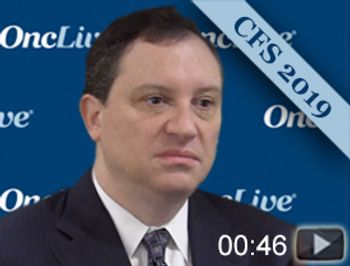
Richard R. Furman, MD, discusses the role of prognostic markers in high-risk chronic lymphocytic leukemia.
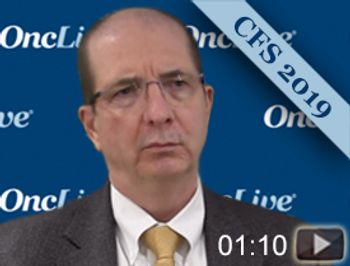
Robert J. Motzer, MD, discusses the first-line treatment landscape of metastatic clear cell renal cell carcinoma.
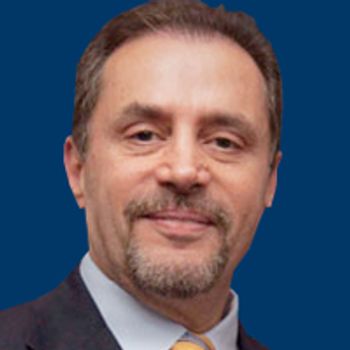
Novel combinations of biologic therapies, third-generation TKIs, and chemotherapy could lead to significantly higher cure rates for adult patients with acute lymphoblastic leukemia, with a number of early stage studies already showing promising results, according to Hagop M. Kantarjian, MD, at the 37th Annual CFS®.
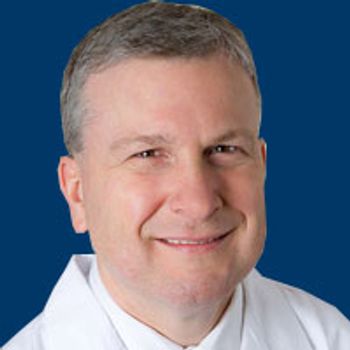
Given that a watch-and-wait approach is a viable option, clinicians must carefully consider disease characteristics when selecting a treatment strategy in newly diagnosed follicular lymphoma.
Anti-BCMA directed treatments, including CAR T-cell therapy, bispecific antibodies, and antibody-drug conjugates, have the potential to revolutionize the multiple myeloma treatment paradigm. At the 37 Annual CFS®, Sham Mailankody, MBBS, discussed the emerging BCMA-directed therapies that have shown the greatest potential.