

January 15, 2021 - Pembrolizumab with trastuzumab and the combination of cisplatin and capecitabine appeared effective in treating HER2-positive advanced gastric and gastroesophageal junction cancer, regardless of a patient’s PD-L1 status.
January 15, 2021 - Pembrolizumab with trastuzumab and the combination of cisplatin and capecitabine appeared effective in treating HER2-positive advanced gastric and gastroesophageal junction cancer, regardless of a patient’s PD-L1 status.

January 15, 2021 - Patients with esophageal/gastroesophageal cancer treated with nivolumab had improved esophageal-specific and general quality of life, although trends were similar in those treated with placebo.
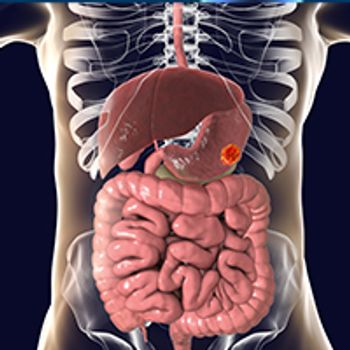
January 15, 2021 - A novel combination comprised of camrelizumab and apatinib was found to have promising clinical efficacy with an acceptable safety profile when used as a second-line treatment in patients with esophageal squamous cell carcinoma.

January 15, 2021 - Pembrolizumab plus lanreotide elicited a stable disease rate of 39% in patients with advanced, progressive gastroenteropancreatic neuroendocrine tumors (GEP-NETs), according to findings from the phase 1b/2 PLANET study.
January 15, 2021 - A novel artificial intelligence-based search tool made it easier for patients to find and understand cancer clinical trials, while also offering more clarity on how to enroll in them

January 15, 2021 - Findings from an analysis determined that stage 4 gastrointestinal stromal tumors were rare and led to hepatic metastases, although overall survival was up to 51% at 5 years.

January 15, 2021 - Pembrolizumab (Keytruda) in combination with capecitabine and bevacizumab (Avastin) was found to show encouraging tolerability when used in patients with microsatellite stable (MSS) metastatic colorectal cancer (mCRC), according to data from a phase 2 trial (NCT03396926) presented during the 2020 Gastrointestinal Cancers Symposium.

Analysis of patient-reported outcomes from the phase III IMbrave 150 study showed meaningful benefits in quality of life, functioning, and key symptoms with atezolizumab plus bevacizumab compared with sorafenib as first-line treatment in patients with unresectable hepatocellular carcinoma.

Encorafenib plus cetuximab with or without binimetinib demonstrated longer maintenance of quality of life on patient-reported assessments over current standard of care in the treatment of patients with BRAF V600E-mutant metastatic colorectal cancer.
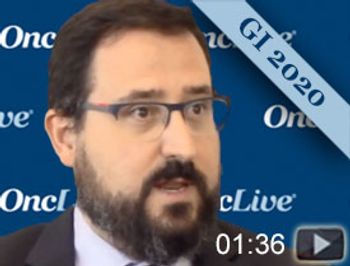
Augusto Villanueva, MD, an assistant professor of the Division of Liver Diseases at the Tisch Cancer Institute of Icahn School of Medicine at Mount Sinai, discusses mutations and gene signatures for patients with hepatocellular carcinoma, a topic he presented at the 2020 Gastrointestinal Cancers Symposium.

Eileen M. O’Reilly, MD, discusses the randomized phase II trial of gemcitabine and cisplatin versus gemcitabine and cisplatin and veliparib in patients with pancreas adenocarcinoma harboring a known germline BRCA or PALB2 mutation, which was presented at the 2020 Gastrointestinal Cancers Symposium.

Third-line treatment of patients with metastatic colorectal cancer using regorafenib plus oral fluoropyrimidine TAS-102 provides clinically meaningful disease control with toxicities consistent with the safety profiles of either agent, according to data from the phase I dose-escalation trial REMETY presented at the 2020 Gastrointestinal Cancers Symposium.

Ramucirumab as second-line therapy after sorafenib induces improved overall survival compared with placebo, irrespective of Barcelona Clinic Liver Cancer stage, in patients with intermediate-stage hepatocellular carcinoma and an elevated baseline level of alpha fetoprotein.
Tanios S. Bekaii-Saab, MD, examines the effectiveness of umbrella trials and their importance in aiding precision medicine in gastrointestinal oncology.

A regimen of avelumab and cetuximab plus oxaliplatin, leucovorin, and 5-fluorouracil in patients with RAS/BRAF-wildtype metastatic colorectal cancer induced a very high response rate but did not meet its primary progression-free survival end point.

Peter R. Galle, MD, discusses the patient-reported outcomes results from the Phase III IMbrave150 study, which he presented at the 2020 Gastrointestinal Cancers Symposium
Zev A. Wainberg, MD discusses the efficacy findings of pembrolizumab monotherapy versus chemotherapy for patients with PD-L1–positive advanced gastric and gastroesophageal junction cancer of high combined positive score in cohort 1 of the phase II KEYNOTE-059 and in the phase III KEYNOTE-061 and KEYNOTE-062 studies.
Scott Kopetz, MD, PhD, FACP, sheds light on encorafenib triplet and doublet options for patients with BRAF V600E–mutant metastatic colorectal cancer and other novel regimens under investigation.

The triplet regimen of nivolumab (Opdivo), ipilimumab (Yervoy), and cabozantinib (Cabometyx) achieved clinically meaningful responses in patients with advanced hepatocellular carcinoma who were either sorafenib (Nexavar)-naïve, or resistant to or intolerant of sorafenib.

The combination of gemcitabine plus cisplatin with or without veliparib is highly active in patients with pancreatic ductal adenocarcinoma and a germline BRCA/PALB2 mutation.

Patients with unresectable hepatocellular carcinoma who were randomized to first-line lenvatinib (Lenvima), compared with sorafenib (Nexavar), and received subsequent anticancer procedures experienced prolonged overall survival.

Van Morris, MD, discusses research around treatment for patients with unresectable colorectal cancer.
The triplet combination of cabozantinib, nivolumab, and ipilimumab induced higher response rates, progression-free survival, and overall survival compared with nivolumab plus cabozantinib in patients with advanced hepatocellular carcinoma.

The triplet of nivolumab, ramucirumab and paclitaxel showed promising antitumor activity with durable responses in a phase II study of patients with advanced gastric cancer.

Teresa Macarulla, MD, discusses a new finding from the phase III POLO trial regarding patients who rapidly progressed on treatment.

The efficacy of larotrectinib has been confirmed in patients with heavily pretreated TRK fusion–positive gastrointestinal cancers.
Pembrolizumab monotherapy in the first and later lines of therapy leads to more durable responses and meaningfully improves overall survival compared with chemotherapy in patients with advanced gastric/gastroesophageal junction cancer with a high number of PD-L1–expressing cells in the tumor, lymphocytes, and macrophages.

A DNA methylation-based cell-free DNA assay demonstrated high specificity and accurate localization of cancers to specific regions of the gastrointestinal tract.
Patients with previously untreated hepatocellular carcinoma lived twice as long if they responded to TKI therapy as compared with patients who did not achieve an objective response.

Jonathan R. Strosberg, MD, discusses the findings from the phase II KEYNOTE-158 trial investigating pembrolizumab in patients with advanced neuroendocrine tumors.