

The combination use of durvalumab and tremelimumab plus best supportive care prolonged median overall survival by 2.5 months compared with supportive care alone in patients with advanced refractory colorectal cancer.
The combination use of durvalumab and tremelimumab plus best supportive care prolonged median overall survival by 2.5 months compared with supportive care alone in patients with advanced refractory colorectal cancer.
The PD-L1 inhibitor durvalumab achieved objective responses in about a fourth of patients with microsatellite instability-high advanced solid tumors, including colorectal cancer.
Clinical outcomes with the combination of encorafenib, binimetinib, and cetuximab exceed historic data in patients with BRAF V600E-mutant metastatic colorectal cancer.

The oral multi-kinase inhibitor regorafenib extended progression-free survival in patients with metastatic or unresectable biliary tract cancer who were previously treated with gemcitabine and a platinum-based chemotherapy.

Josep M. Llovet, MD, PhD, discusses the results from the phase III REACH-2 study of ramucirumab as a second-line treatment of patients with advanced hepatocellular carcinoma.
The combination of dabrafenib and trametinib induced responses in nearly half of patients with BRAF V600E–mutated biliary tract cancer who participated in a phase II basket trial that enrolled patients with BRAF V600E–mutated rare cancers.

The novel oral anticancer regimen known as SM-88, which consists of a tyrosine derivative, an mTOR inhibitor, a CYP3a4 inducer, and an oxidative stress catalyst, has promising efficacy with no meaningful toxicity in patients with metastatic pancreatic cancer who have progressed on at least 1 prior line of therapy.

Daniela Molena, MD, discusses what she believes is the Achilles heel of endoscopic resection in patients with esophageal cancer.

Overall survival in metastatic gastric/gastroesophageal junction cancer improved significantly in patients who received the combination therapy TAS-102, irrespective of prior gastrectomy.

Rachna T. Shroff, MD, MS, discusses the importance of molecular profiling upon diagnosis in patients with cholangiocarcinoma.

Marcus Noel, MD, discusses the data of SM-88 and how it will impact the treatment of patients with metastatic pancreatic cancer.
The combination of nivolumab and ramucirumab has activity in patients with previously treated advanced gastric adenocarcinoma, investigators reported at the 2019 Gastrointestinal Cancers Symposium.

Allyson J. Ocean, MD, discusses her experiences with SM-88 in patients with metastatic pancreatic cancer.

Two-thirds of patients with untreated metastatic HER2-positive esophagogastric adenocarcinoma remained free of disease progression at 6 months with a combination of pembrolizumab, trastuzumab, and chemotherapy.
Pembrolizumab was found to reduce the risk of death by 31% in patients with PD-L1–positive advanced or metastatic esophageal or esophageal junction carcinoma who progressed on standard therapy.
Data from the CheckMate-142 study support the use of nivolumab (Opdivo) alone or in combination with ipilimumab (Yervoy) for the treatment of patients with previously treated DNA mismatch repair-deficient/microsatellite instability-high metastatic colorectal cancer.
Combining the investigational oral cancer stem cell pathway inhibitor napabucasin with the PD-1 inhibitor pembrolizumab showed a signal of efficacy in the first 8 patients enrolled in a multicenter phase I/II trial of patients with metastatic colorectal cancer.

Ian Chau, MD, consultant medical oncologist, Royal Marsden Hospital, discusses the tolerability of ramucirumab (Cyramza) plus pembrolizumab (Keytruda) in gastric or gastroesophageal (GEJ) cancer.
Tanios Bekaii-Saab, MD, professor of medicine, Mayo Clinic, discusses the quality of life findings for a dose-escalation study of regorafenib (Stivarga) in metastatic colorectal cancer.

Treatment with the PD-1 inhibitor pembrolizumab elicited promising progression-free survival and overall survival results in patients with advanced hepatocellular carcinoma who received previous treatment with sorafenib.

The combination of cetuximab and pembrolizumab was found to be well tolerated in patients with RAS wild-type metastatic colorectal cancer.
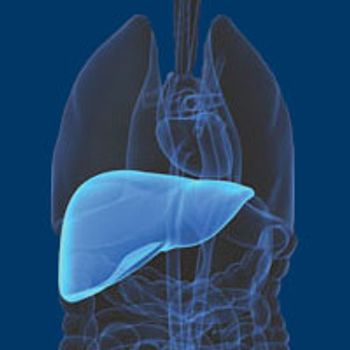
Combining lenvatinib (Lenvima) with PD-1 inhibitors had promising efficacy in patients with advanced intrahepatic cholangiocarcinoma, according to preliminary data from a single-center study.

Sequencing regorafenib before cetuximab showed superior overall survival compared with the reverse sequence in patients with metastatic colorectal cancer following failure of standard chemotherapy.

Michael J. Overman, MD, associate professor, department of Gastrointestinal Medical Oncology, The University of Texas MD Anderson Cancer Center, discusses the updated findings from CheckMate-142 in metastatic colorectal cancer during the 2018 Gastrointestinal Cancers Symposium.

Ghassan K. Abou-Alfa, MD, medical oncologist, Memorial Sloan Kettering Cancer Center, discusses the results of the CELESTIAL trial in advanced hepatocellular carcinoma during the 2018 Gastrointestinal Cancers Symposium.

Induction treatment with nab-paclitaxel plus gemcitabine demonstrated a time to treatment failure of 8.8 months for patients with newly diagnosed locally advanced pancreatic cancer.
Tanios Bekaii-Saab, MD, discusses the results and significance of the ReDOS study in metastatic colorectal cancer, as well as shared some insight on the Reverce trial.

Michael Pishvaian, MD, PhD, director, Phase I Clinical Program, co-director of the Ruesch Center Pancreatic Cancer Program Medical Oncology, Otto J. Ruesch Center for the Cure of Gastrointestinal Cancer, Georgetown University Lombardi Comprehensive Cancer Center, discusses the results of a study of entrectinib in patients with pancreas cancer.
Daniel Catenacci, MD, medical oncologist, assistant professor of medicine, Univeristy of Chicago Medicine, discusses margetuximab (MGAH22-10) plus pembrolizumab (Keytruda) as treatment for patients with advanced HER2-positive gastroesophageal junction (GEJ) or gastric adenocarcinoma during the 2018 Gastrointestinal Cancers Symposium.
The CellMax biomimetic platform, a novel circulating tumor cell assay, was 84% to 88% accurate at detecting precancerous and cancerous colorectal lesions.