
Shanu Modi, MD, discusses the efficacy findings of the phase 3 DESTINY-Breast04 trial in patients with HER2-low metastatic breast cancer.
Shanu Modi, MD, discusses the efficacy findings of the phase 3 DESTINY-Breast04 trial in patients with HER2-low metastatic breast cancer.

Jason R. Westin, MD, discusses subgroup analysis of elderly patients treated in the ZUMA-7 trial.
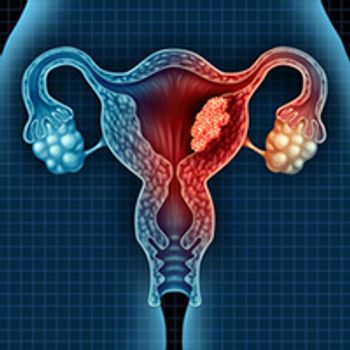
Bevacizumab combined with first-line chemotherapy was shown to improve progression-free survival and overall survival in patients with advanced ovarian clear cell carcinoma.
Pembrolizumab plus chemotherapy with or without bevacizumab prolonged progression-free survival and overall survival in key subgroups of patients with persistent, recurrent, or metastatic cervical cancer, displaying benefits similar to those seen in the broader patient population.

Patients with metastatic non–small cell lung cancer treated with first-line nivolumab and ipilimumab plus chemotherapy experienced prolonged benefit in overall survival compared with those who received chemotherapy alone.
Rucaparib elicited a significant improvement in progression-free survival outcomes vs placebo as first-line maintenance therapy in patients with ovarian cancer who responded to first-line platinum-based chemotherapy across patient subgroups.

Twice-daily oral ruxolitinib plus carboplatin and paclitaxel given as frontline neoadjuvant and post-surgical treatment to patients with stage III or IV ovarian cancer was found to be feasible and to improve progression-free survival compared with chemotherapy alone.
Patritumab deruxtecan exhibited promising clinical activity in heavily pretreated patients with advanced non-small cell lung cancer without EGFR-activating mutations, including activity in patients with other identified driver genomic alterations.
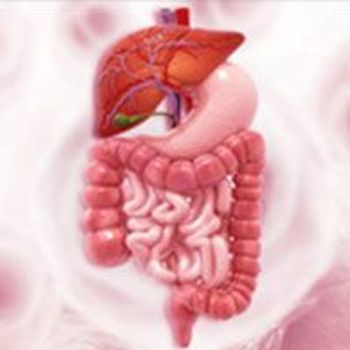
Resection of the primary tumor prior to systemic therapy was not found to extend overall survival in patients with asymptomatic colon and high rectal cancer who had synchronous unresectable metastases.

Higher treatment discontinuation rates with abemaciclib were associated with factors including age of 65 year or older, enrollment in either North America or Europe, an ECOG performance status of 1, postmenopausal status, 1 to 3 positive lymph nodes, and 4 or more preexisting comorbidities in patients with hormone receptor–positive, HER2-negative high-risk early breast cancer.

Results of a 5-year analysis of the phase 3 CheckMate 227 trial showed that the combination of nivolumab plus ipilimumab elicited durable overall survival benefit in patients with metastatic non–small cell lung cancer regardless of PD-L1 expression compared with chemotherapy.

Neoadjuvant nivolumab in combination with platinum-based doublet chemotherapy extended event-free survival in patients with stage IB-IIA non–small cell lung cancer who had pathologic complete response, according to a post hoc analysis of the phase 3 CheckMate 816 trial.

The addition of the MET inhibitor capmatinib to pembrolizumab failed to improve clinical outcomes in patients with treatment-naïve non–small cell lung cancer with PD-L1 expression of at least 50% vs pembrolizumab alone, according to an analysis of outcomes of patients in the MET unselected population treated in a phase 2 trial.

Pediatric patients with non–central nervous system, TRK fusion–positive cancers who were enrolled to the phase 1/2 SCOUT and phase 2 NAVIGATE trials and received larotrectinib continued to experience rapid and durable tumor-agnostic efficacy and prolonged survival.
The combination of dabrafenib plus trametinib demonstrated a significant improvement in overall response rate, clinical benefit rate, and progression-free survival and fewer grade 3 or greater adverse effects and discontinuations vs carboplatin and vincristine in pediatric patients with low-grade glioma harboring a BRAF V600 mutation.

Fixed-dose nivolumab plus relatlimab elicited continued progression-free survival benefit vs nivolumab alone in patients with treatment-naïve, unresectable or metastatic melanoma, according to updated results from the phase 2/3 RELATIVITY-047 trial.

Mobocertinib may have limited intracranial activity in patients with EGFR exon 20 insertion–positive, non–small cell lung cancer with brain metastases at baseline, given the numerically lower response rate observed with the agent in this population.

The combination of lurbinectedin and pembrolizumab demonstrated preliminary efficacy signals and was shown to be tolerable with a median relative dose intensity exceeding 90% in patients with small cell lung cancer that relapsed on platinum-based chemotherapy, according to findings from the phase 1/2 LUPER study.

Treatment with tafasitamab plus lenalidomide demonstrated trends toward improved overall survival vs systemic regimens across key subgroups of patients with high-risk relapsed or refractory diffuse large B-cell lymphoma who are not eligible for transplant, according to findings from an observational, retrospective analysis of the cohort RE-MIND2 study.
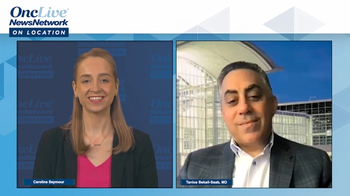
OncLive® will be LIVE with OncLive® News Network: On Location at the 2022 ASCO Annual Meeting. Each day, we will broadcast a series of interviews with top thought leaders, to learn their thoughts and reactions to data presented across oncology during the conference.
68Ga-PSMA-11 PET/CT imaging parameters demonstrated a statistically significant association with clinical outcomes with the PSMA-targeted radioligand therapy lutetium-PSMA-617 in patients with metastatic castration-resistant prostate cancer.
Stephen M. Ansell, MD, PhD, discusses the updated analysis of the phase 3 ECHELON-1 in classical Hodgkin lymphoma.

Bijal D. Shah, MD, MS, discusses the survival analysis of subgroups of patients with relapsed/refractory B-cell acute lymphoblastic leukemia treated in the phase 3 ZUMA-3 trial.
Tiragolumab combined with atezolizumab plus carboplatin and etoposide demonstrated no additional survival benefits compared with atezolizumab plus chemotherapy alone in patients with treatment-naïve, extensive-stage small cell lung cancer.
Larotrectinib continued to produce rapid and durable responses, with a high disease control rate and an acceptable toxicity profile in patients with TRK fusion–positive, primary central nervous system tumors.
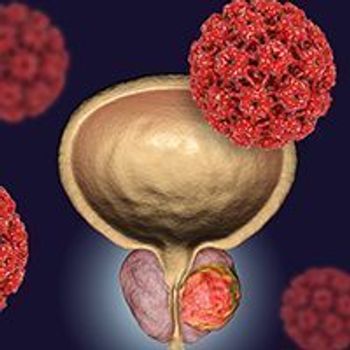
The addition of enzalutamide vs a conventional nonsteroidal antiandrogen agent to testosterone suppression continued to provide clinically meaningful improvements in overall survival in patients with metastatic hormone-sensitive prostate cancer.
Adjuvant pembrolizumab was found to result in a significant improvement in distant metastasis-free survival compared with placebo, with a continued reduction in risk of recurrence and an acceptable safety profile, in patients with resected stage IIB or stage IIC melanoma.

177Lu-PSMA-617 represents an acceptable option for patients with metastatic castration-resistant prostate cancer who are progressing after docetaxel, as it has been shown to provide similar overall survival benefit to that of cabazitaxel, with a stronger progression-free survival benefit and fewer toxicities

Ifosfamide induced small improvements in terms of prolonging event-free survival and overall survival compared with topotecan plus cyclophosphamide in patients with relapsed/refractory Ewing sarcoma.
Treatment with larotrectinib elicited robust and durable responses, had a favorable safety profile, and sustained survival benefit in patients with central nervous system TRK fusion cancers.