

Sabatolimab demonstrated comparable pharmacokinetic activity at doses of 200 mg every 2 weeks and 800 mg every 4 weeks in combination with hypomethylating agents in patients with acute myeloid leukemia and myelodysplastic syndrome.
Sabatolimab demonstrated comparable pharmacokinetic activity at doses of 200 mg every 2 weeks and 800 mg every 4 weeks in combination with hypomethylating agents in patients with acute myeloid leukemia and myelodysplastic syndrome.
December 6, 2020 — The off-the-shelf DuoBody® IgG4 PAA binding antibody talquetamab has elicited a high response rate with a tolerable safety profile in heavily pretreated patients with relapsed/refractory multiple myeloma.

December 6, 2020 — REGN5458, a BCMA- and CD3-targeted bispecific monoclonal antibody, demonstrated early, deep, and durable responses with acceptable safety and tolerability in patients with relapsed/refractory multiple myeloma.
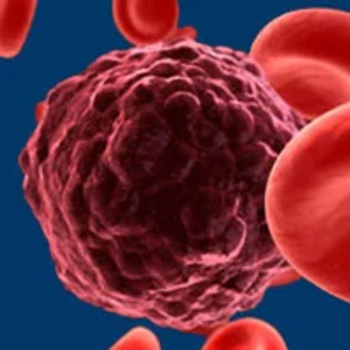
December 6, 2020 — TTI-622, an investigational CD47 inhibitor, showed preliminary signs of clinical activity with a manageable safety profile among patients with relapsed/refractory lymphoma.
December 6, 2020 — The investigational TKI asciminib was found to be a safe and effective treatment for patients with chronic myeloid leukemia without any alternatives in clinical practice, particularly those with prior TKI intolerance and those who achieved prior complete cytogenetic response.
December 6, 2020 — The antibody-drug conjugate belantamab mafodotin continued to showcase efficacy and tolerability in heavily pretreated patients with relapsed/refractory multiple myeloma, inducing durable responses even in those who had previously received 7 or more lines of therapy.

December 6, 2020 — The BCMA and CD3 bispecific T-cell redirecting antibody TNB-383B elicited significant responses when administered at a higher dose level and was well tolerated at all doses examined in heavily pretreated patients with relapsed/refractory multiple myeloma.

December 6, 2020 — Patients with hematologic malignancies are at increased risk for significant morbidity and mortality from coronavirus disease 2019, and the risk of death appeared to be greatest in those who were older, had more severe infection, a poorer prognosis, or who decided to forego intensive treatment

December 6, 2020 - UCART22, an allogeneic off-the-shelf CD22-directed T-cell product, showed no unexpected toxicities at 2 dose levels and had early signs of activity in adult patients with relapsed/refractory CD22-positive B-cell acute lymphoblastic leukemia.
December 6, 2020 - Having a human leukocyte antigen–matching donor for allogeneic hematopoietic stem cell transplant has proven to lead to improved outcomes for patients who are between 50 and 75 years of age and have higher-risk myelodysplastic syndrome.
December 5, 2020 - GTB-3550 TriKE was found to safely drive natural killer cell proliferation in patients with high-risk myelodysplastic syndromes and acute myeloid leukemia.

December 5, 2020 - The addition of belantamab mafodotin to bortezomib and dexamethasone elicited high response rates and a suitable safety profile in patients with relapsed or refractory multiple myeloma.
Oral azacitidine demonstrated sustained health-related quality of life compared with placebo in patients with acute myeloid leukemia, according to results of the phase 3 QUAZAR AML-001 trial.

December 5, 2020 - Treatment with the CAR T-cell therapy ciltacabtagene autoleucel led to a high response rate and an acceptable safety profile at the recommended phase 2 dose in patients with relapsed or refractory multiple myeloma.
A novel combination comprised of the oral, selective RARα agonist SY-1425 and azacitidine demonstrated clinical activity with acceptable tolerability in a heavily pretreated population of patients with relapsed/refractory acute myeloid leukemia with RARA positivity.
December 5, 2020 - Engineering chimeric antigen receptors T cells to overcome CD58 loss may provide a path forward for patients with large B-cell lymphomas who do not respond to treatment with immunotherapy.
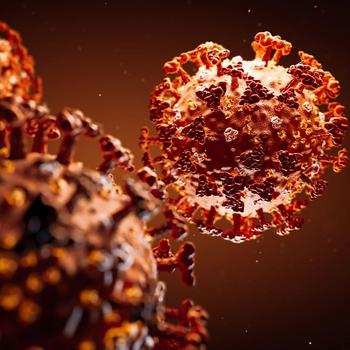
The effector profile of the SARS-CoV-2 virus–specific T-cell therapy, ALVR109, was polyclonal, polyfunctional, and displayed cytolytic activity against viral targets without allogeneic or autologous reactivity, suggesting ALVR109 could be a safe and effective treatment for the coronavirus disease 2019.
The anti-inducible T-cell co-stimulator monoclonal antibody MEDI-570 showed clinical activity with durable responses, as well as acceptable safety and tolerability in patients with relapsed/refractory angioimmunoblastic T-cell lymphoma and peripheral T-cell lymphoma.

ALLO-715, an off-the-shelf chimeric antigen receptor T-cell therapy that targets B-cell maturation antigen, elicited responses in heavily pretreated patients with relapsed/refractory multiple myeloma in early findings from a first-in-human study presented at the 2020 ASH Meeting.

December 5, 2020 - VLS-101, a novel ROR1-targeted antibody-drug conjugate, demonstrated encouraging clinical efficacy, consistent pharmacokinetics, and a favorable safety profile in patients with heavily pretreated mantle cell lymphoma and diffuse large B-cell lymphoma.
December 5, 2020 - The enriched chimeric antigen receptor T-cell therapy bb21217 improved responses and also prolonged duration of response compared with non-enriched CAR T cells in patients with relapsed/refractory multiple myeloma.
Srdan Verstovsek, MD, PhD, discusses findings from the PV-AIM trial in polycythemia vera.
William G. Wierda, MD, PhD, discusses results from the CAPTIVATE trial in chronic lymphocytic leukemia and small lymphocytic lymphoma.

December 5, 2020 - Patients with relapsed or refractory chronic lymphocytic leukemia treated with venetoclax and rituximab had a sustained progression-free survival and overall survival benefit at five years compared with those treated with bendamustine and rituximab.

December 5, 2020 - Axicabtagene ciloleucel demonstrated high rates of durable responses in patients with indolent non-Hodgkin lymphoma.
December 5, 2020 - Patients with previously untreated chronic lymphocytic leukemia /small lymphocytic lymphoma who received a placebo following a fixed-treatment duration of ibrutinib combined with venetoclax achieved similar 1-year disease-free survival results compared with patients who remained on ibrutinib following confirmed undetectable minimal residual disease.

December 5, 2020 - A subgroup analysis from the phase 3 BOSTON study demonstrated that once weekly selinexor, bortezomib, and dexamethasone was superior to bortezomib and dexamethasone alone in patients with relapsed/refractory multiple myeloma who had received 1 to 3 prior therapies.

December 5, 2020 - The CAR T-cell therapy axicabtagene ciloleucel demonstrated long-term disease control with rapid responses and robust CAR T-cell expansion among patients with refractory large B-cell lymphoma.
December 5, 2020 - Momelotinib improved overall survival and sustained efficacy outcomes in patients with intermediate- or high-risk myelofibrosis.
December 5, 2020 - Patients with myelofibrosis who are relapsed after or refractory to therapy with Janus kinase inhibitors saw better overall survival, spleen response, and symptom response with higher doses of the telomerase inhibitor imetelstat.