
Emily Ko, MD, assistant professor of Obstetrics and Gynecology, University of Pennsylvania Health System, discusses the role of surgery in endometrial cancer and the candidacy of patients for the procedure.

Your AI-Trained Oncology Knowledge Connection!
Emily Ko, MD, assistant professor of Obstetrics and Gynecology, University of Pennsylvania Health System, discusses the role of surgery in endometrial cancer and the candidacy of patients for the procedure.
Susan O’Brien, MD, Associate Director for Clinical Science for the Chao Family Comprehensive Cancer Center and Medical Director of the Sue and Ralph Stern Center for Cancer Clinical Trials and Research, UC Irvine Health, discusses upcoming agents in chronic lymphocytic leukemia (CLL).
Combining 3 markers of homologous recombination deficiency significantly improved prediction of outcome of platinum-based treatment of ovarian cancer compared with the individual markers, a retrospective analysis of tissue samples showed.
John Leonard, MD, medical oncology, at Weill Cornell Medicine and NewYorkPresbyterian Hospital, discusses follicular lymphoma treatment considerations. Treatment options include rituximab and bendamustine, which have been around for sometime, as well as newer agents like obinutuzumab, says Leonard.
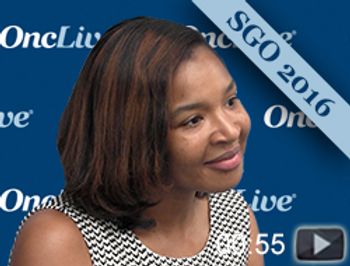
Terri Woodard, MD, assistant professor, Department of Gynecologic Oncology and Reproductive Medicine, The University of Texas MD Anderson Cancer Center, discusses if conservative management for women with ovarian cancer is warranted.
Extended follow-up data continue to demonstrate the efficacy and tolerability of ibrutinib in previously treated patients with chronic lymphocytic leukemia, including those with high-risk gene mutations and prognostic features.
Immuno-oncology has advanced rapidly, with the introduction of immune checkpoint inhibition and effective adoptive T-cell therapies. As these agents rush through development, several questions remain regarding the optimal patients for treatment and the next steps for further improving outcomes.
With the R-CHOP chemotherapy regimen considered the backbone of therapy for treatment-naïve patients with non-Hodgkin lymphoma, researchers are now delving further into the genome to pave the way for therapeutic improvements.
Jennifer Brown MD, PhD, Director, Chronic Lymphocytic Leukemia Center, Senior Physician, Associate Professor of Medicine, Harvard Medical School, Dana Farber Cancer Institute, discusses RESONATE 2 and frontline ibrutinib use in patients with chronic lymphocytic leukemia (CLL).
Patients with advanced ovarian cancer harboring mutations in homologous recombination (HR) genes, including BRCA1/2, had improved survival outcomes versus patients without HR mutations.
Michael E. Williams, MD, ScM, Byrd S. Leavell Professor of Medicine and Professor of Pathology, University of Virginia Health System, discusses frontline lenalidomide (Revlimid) and rituximab (Rituxan) in mantle cell lymphoma (MCL).
A multitude of PI3K and BTK inhibitors are currently in development that offer distinct advantages over existing treatments for patients with relapsed chronic lymphocytic leukemia.
Sagar Lonial, MD, professor and chair, department of Hematology & Medical Oncology, Emory University School of Medicine, Chief Medical Officer, Winship Cancer Institute of Emory University, discusses treatment for smoldering multiple myeloma.
A host of novel agents are on the horizon that could further improve the long-term outcomes experienced by patients with follicular lymphoma, particularly those with relapsed or refractory disease.

Kareem Abdul-Jabbar, retired NBA player for the Milwaukee Bucks and the Los Angeles Lakers, discusses his experience with chronic myeloid leukemia‎ (CML) at the 20th Annual International Congress on Hematologic Malignancies: Focus on Leukemias, Lymphomas and Myeloma, held March 18.
Andrew D. Seidman, MD, medical oncologist, Memorial Sloan Kettering Cancer Center, discusses the label indication for ixabepilone (Ixempra) for the treatment of patients with aggressive breast cancer.
Frontline treatment with ibrutinib reduced the risk of progression or death by 84% compared with single-agent chlorambucil for elderly patients with chronic lymphocytic leukemia and small lymphocytic lymphoma.
Shaji Kumar, MD, discusses how the phase III SWOG S0777 study, which investigated the combination of bortezomib (Velcade), lenalidomide (Revlimid), and dexamethasone, significantly changed the frontline treatment paradigm for patients with multiple myeloma
Elizabeth A. Mittendorf, MD, PhD, discusses nelipepimut-S (NeuVax), a peptide derived from HER2 protein combined with granulocyte-macrophage colonystimulating factor that is currently being investigated as a single-agent, in combination with standard-of-care therapies, and in multiple settings and subtypes of breast cancer.
Gunter von Minckwitz, MD, director of the German Breast Group Research Institute, discusses lessons learned from clinical trials examining neoadjuvant therapies in patients with breast cancer.
Debu Tripathy, MD, chair, Breast Medical Oncology, The University of Texas MD Anderson Cancer Center, discusses the use of ixabepilone as a treatment for patients with triple-negative breast cancer (TNBC).
There is a subset of low-risk patients with ductal carcinoma in situ for whom surgery alone is optimal and the Oncotype DX DCIS Score is a useful assay for identifying these individuals.
A number of crucial findings were presented over the course of 2015 that helped to characterize an ever-growing trend toward personalized medicine in the treatment of breast cancer.
Pathologic complete response may still have a role in accelerated neoadjuvant approvals for select patients with early stage breast cancer, despite the fact that it remains an unproven surrogate endpoint.
Sunil Verma, MD, department head, Clinical Department of Oncology, Calgary Zone, medical director, Tom Baker Cancer Centre, discusses recent advancements in the field of HER2-positive breast cancer.
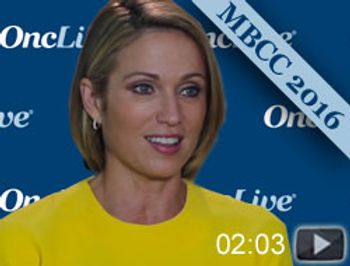
Amy Robach, breast cancer survivor and Good Morning America news anchor, describes her diagnosis of a 2 cm tumor in her right breast that appeared isolated on ultrasound and other subsequent scans.
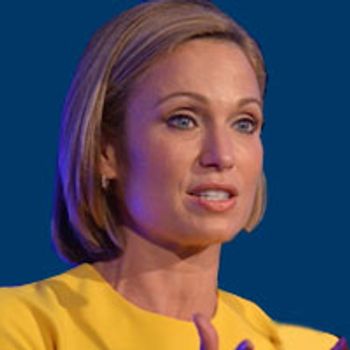
Breast cancer survivor and Good Morning America news anchor Amy Robach delivered a compelling keynote address at the 33rd Annual Miami Breast Cancer Conference®.
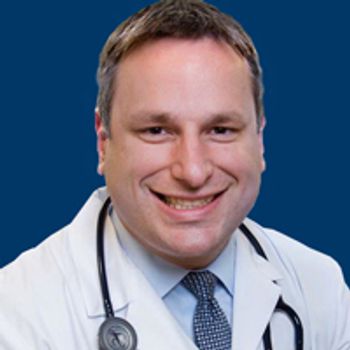
The combination of the alpha-specific PI3K inhibitor alpelisib (BYL719) and fulvestrant (Faslodex) demonstrated promising early efficacy and mild toxicity in heavily pretreated postmenopausal women with ER-positive metastatic breast cancer.
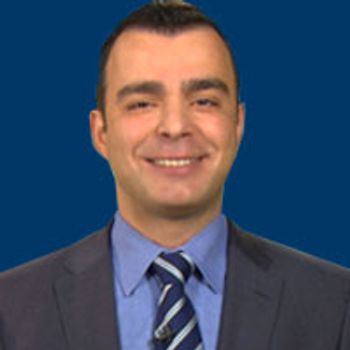
Among patients with HR+/HER2- or triple-negative metastatic breast cancer, nab-paclitaxel (Abraxane) improved time to treatment discontinuation, time to next treatment, and had a favorable safety profile compared with paclitaxel.
Elizabeth A. Mittendorf, MD, PhD, associate professor, Department of Surgical Oncology, The University of Texas MD Anderson Cancer Center, discusses a clinical trial examining nelipepimut-S plus GM-CSF vaccine therapy as a treatment for patients with breast cancer.