

Optimizing outcomes with novel antibodies in multiple myeloma will involve combination regimens with established agents.
Optimizing outcomes with novel antibodies in multiple myeloma will involve combination regimens with established agents.

The landscape for the diagnosis and treatment of polycythemia vera (PV) is changing, and that's good news for patients and practitioners who can look to improvements ahead.
C. Ola Landgren, MD, PhD, hematologic oncologist, chief, Myeloma Service, Memorial Sloan Kettering Cancer Center, discusses minimal residual disease detection for progression-free survival and overall survival for patients with multiple myeloma.

B-cell pathway inhibitors have shown impressive survival benefits for patients with chronic lymphocytic leukemia, but require careful monitoring and possible suspension to control adverse events.

Independent urology practices are at a crossroads as they face substantial Medicare payment change, shifts in physician employment and autonomy, and cutting edge developments in clinical care.

John Copland, PhD, faculty member in the department of cancer biology, Mayo Clinic, explains his research on patient-derived xenograft (PDX) models in anaplastic thyroid cancer.

The oral corticosteroid dexamethasone significantly decreased flares of bone pain when added to radiation therapy in patients with metastatic cancer.
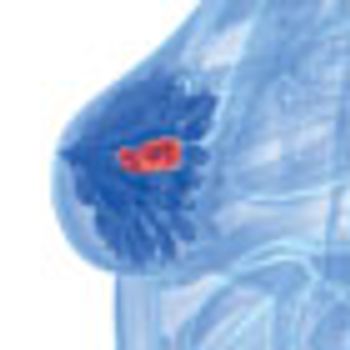
Rates of overall survival, disease-free survival, and local control were found to be comparable in select patients with early-stage breast cancer who underwent accelerated partial breast irradiation using multicatheter brachytherapy versus conventional whole breast irradiation.

The additon of hormonal therapy to salvage radiotherapy demonstrated a significant survival benefit in patients with prostate cancer recurrence after radical prostatectomy, according to long-term follow-up data from a randomized trial.

Proinflammatory cytokines were elevated in patients with melanoma undergoing the combination treatment of radiation therapy and the systemic anti–CTLA-4 immunotherapy, ipilimumab.
Abnormal thyroid function tests were reported in up to 15% of patients treated with the PD-1 inhibitor pembrolizumab.

Coexisting mutations in BRAF and TERT may be associated with an aggressive phenotype and higher recurrence rates for patients with locally advanced well-differentiated thyroid cancers.

The recent American Thyroid Association guidelines to abstain from cytological evaluation by biopsy for patients with thyroid cancer on the basis of having thyroid nodules ≤1 cm is not advisable.
Kimberly L. Johung, MD, PhD, assistant professor of Therapeutic Radiology, Gastrointestinal Cancer Program, Yale Cancer Center, discusses a study that examined the prognosis of patients with ALK-rearranged non–small cell lung cancer and brain metastases.

Pazopanib demonstrated significant clinical activity for patients with RAI-refractory differentiated thyroid cancer; however, a predictive biomarker for the therapy could not be uncovered.

Researchers have identified molecular markers in medullary thyroid cancer that were associated with response to vandetanib and the development of metastases.
Stephen Huang, MD, Associate Professor of Pediatrics, Harvard Medical School, Dana Farber Cancer Institute, discusses the challenges of pediatric thyroid cancer.

Dual targeting of BRAF V600E–positive papillary thyroid carcinoma with the anti-BRAF V600E agent vemurafenib and the angiogenesis inhibitor sorafenib showed promising clinical activity.

Marcia Brose, MD, PhD, associate professor of Otorhinolaryngology, Head and Neck Surgery, at the Hospital of the University of Pennsylvania, discusses survival benefit and possible combination strategies with the lenvatinib in patients with radioactive iodine refractory differentiated thyroid cancer.

The use of radiation therapy has declined despite evidence demonstrating it is often more beneficial than single-agent chemotherapy or observation-alone in patients with low-grade follicular lymphoma.
Pablo Valderrabano, MD, Clinical Research Fellow at Moffitt Cancer Center, discusses molecular markers in thyroid nodules and their connection to cancer incidence.
Aditi Kumar, MD, endocrinology fellow at the University of Mississippi, discusses aggressive multimodal therapy in anaplastic thyroid cancer. A study conducted at the Mayo Clinic, where Kumar was previously a fellow, looked at 29 patients with stage IV, A, B and C anaplastic thyroid cancer, a rare form of thyroid cancer with poor outcomes. Often, patients are not treated at this stage, as options are limited and toxicities from treatments can be high, says Kumar.

The oral multikinase inhibitor cabozantinib showed promise as a second- or third-line therapy in patients with advanced radioactive iodine-refractory differentiated thyroid cancer.

The progression-free survival benefit with lenvatinib in radioactive iodine-refractory differentiated thyroid cancer was observed across common sites of metastasis.
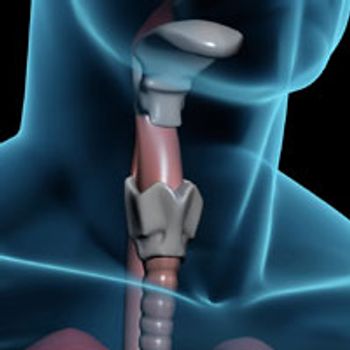
A large survey of endocrinologists found wide variation in management strategies for thyroid nodules that were frequently misaligned with current guidelines, particularly for biopsies by fine-needle aspiration.

Umamaheswar Duvvuri, MD, PhD, Assistant Professor of Otolaryngology (ENT) at the University of Pittsburgh Medical Center, talks about potential genetic signatures for locally advanced, well differentiated thyroid cancers.

Manisha Shah, MD, Professor of Oncology at Ohio State University Medical Center, College of Medicine discusses cabozantinib in patients with radioiodine- refractory differentiated thyroid cancer.

Pamela L. Kunz, MD, assistant professor of Medicine (Oncology), Stanford University School of Medicine, discusses the potential of immunotherapy in the treatment of patients with neuroendocrine tumors (NETs).

Everolimus improved progression-free survival by 7.1 months compared with placebo in patients with lung/gastrointestinal (GI) neuroendocrine tumors, representing a 52% reduction in the risk of progression or death.
Lu-Dotatate demonstrated an unprecedented 79% reduction in the risk of progression or death compared with high-dose octreotide LAR in patients with progressive, metastatic midgut neuroendocrine tumors.