
María-Victoria Mateos, MD, PhD, discusses long-term OS data from the CARTITUDE-4 trial of cilta-cel in lenalidomide-refractory multiple myeloma.

Your AI-Trained Oncology Knowledge Connection!
María-Victoria Mateos, MD, PhD, discusses long-term OS data from the CARTITUDE-4 trial of cilta-cel in lenalidomide-refractory multiple myeloma.
Ioannis Politikos, MD, discusses data from a study which compared the immune reconstitution profiles of Orca-T with those from CD34 allograft recipients.

D-VRd provides PFS benefit and deeper responses vs VRd in transplant-eligible myeloma, according to a post hoc analysis of pooled PERSEUS and GRIFFIN data.

TDI01, a selective ROCK2 inhibitor, generated responses and clinical benefit in patients with cGVHD.

Acimtamig plus AlloNK was associated with high objective response rates in heavily pretreated patients with relapsed/refractory Hodgkin lymphoma.

A comparative analysis showed that apraglutide plus ruxolitinib improved response rates vs ruxolitinib monotherapy in steroid-refractory GI aGVHD.

Longer-term outcomes from LAURA further support the benefit of osimertinib over placebo for patients with unresectable stage III EGFR-mutated NSCLC.

Orca-T was associated with a retrospective survival improvement vs post-transplant cyclophosphamide in advanced hematologic malignancies.

Orca-T led to lower rates of EBV and CMV reactivation vs CD34 engraftment in patients with select hematologic malignancies.

Higher CR rates were achieved with the tandem CAR T-cell infusion plus ASCT vs the infusion alone in patients with relapsed/refractory B-cell lymphoma.

Juan Carlos Hernández-Boluda, MD, PhD, discusses an EBMT machine learning–based model for identifying and stratifying transplant risk in myelofibrosis.

Improved PFS was associated with at least a 25% reduction in tumor burden before treatment with cilta-cel in patients with relapsed/refractory multiple myeloma.
Esther Natalie Oliva, MD, discusses the rationale for the phase 3 QuANTUM-Wild trial in newly diagnosed FLT3-ITD–negative AML.

Steven Devine, MD; Everett Meyer, MD, PhD; and Sophie Paczesny, MD, PhD, discuss their most highly anticipated presentations from the 2025 EBMT Meeting.

Nirogacestat sustained long-term efficacy with acceptable safety in patients with desmoid tumors treated in the phase 3 DeFi trial.

Pediatric patients with TRK fusion–positive sarcomas may be able to safely discontinue larotrectinib and resume treatment if needed without sacrificing response.

Amivantamab plus lazertinib provides long-term survival benefit over osimertinib in EGFR-mutated advanced non–small cell lung cancer.

Tess O’Meara, MD, MHS, and Kelsey H. Natsuhara, MD, discuss their presentations from the OncLive National Fellows Forum at SABCS.

A randomized trial found no significant differences in recurrence or survival with smaller radiation margins vs standard RTOG protocols in patients with HGG.
A real-world study showed OS outcomes with eribulin similar to those with trabectedin in doxorubicin-pretreated patients with advanced liposarcoma.
The risk of developing ICANS with CAR T-cell therapy was higher in patients with NHL who experienced a recent fall and could not balance on their left leg.
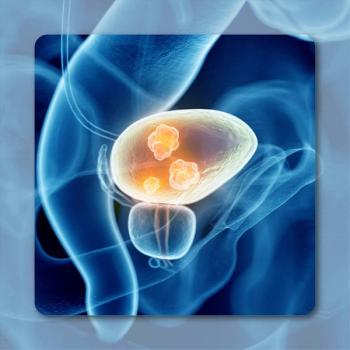
Real-world data showed that atezolizumab provided a benefit and was safe in patients with platinum-ineligible mUC and high comorbidities/functional status.
Tanya Gupta, MD, highlights the utility of adjuvant CDK4/6 and PARP inhibitors in patients with HR-positive, HER2-negative breast cancer.
Ocular adverse effects stemming from mirvetuximab soravtansine did not significantly affect HRQOL in FRα-positive platinum-resistant ovarian cancer.

Treatment with abemaciclib plus hormonal therapy showed promise in LGSOC/EEC but not in HGSOC, and larger studies are needed to validate these findings.

Elizabeth Lee, MD, discusses the efficacy of rinatabart sesutecan in patients with FRα-expressing high-grade serous or endometrioid platinum-resistant ovarian cancer.

Taliya Lantsman, MD, discusses real-world safety and efficacy data with dostarlimab plus chemotherapy in patients with advanced endometrial cancer.

The median DOR with Rina-S was not reached and the treatment was well tolerated in patients with FRα-unselected platinum-resistant ovarian cancer.
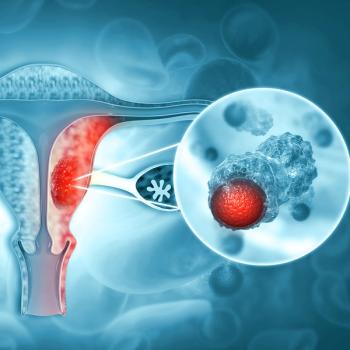
Maintenance selinexor improved progression-free survival in TP53 wild-type advanced endometrial cancer.

Pamiparib plus surufatinib showed signals of activity with a largely hematologic adverse effect profile in patients with PARP-pretreated, platinum-resistant ovarian cancer.