
Jeffery Auletta, MD, discusses the impact of post-transplant cyclophosphamide in hematologic malignancies.
Jeffery Auletta, MD, discusses the impact of post-transplant cyclophosphamide in hematologic malignancies.
Betty Hamilton, MD, discusses quality of life differences between post-transplant gilteritinib vs placebo in FLT3-ITD–positive acute myeloid leukemia.

Stephanie Lee, MD, MPH, discusses 3-year follow-up data from the phase 3 ROCKstar Study of belumosudil in cGVHD.

Treatment with immune engager therapies following relapse on ide-cel resulted in better median PFS vs other therapies for patients with multiple myeloma.

Lisocabtagene maraleucel elicited durable responses in patients with relapsed/refractory chronic lymphocytic leukemia or small lymphocytic lymphoma.

Concomitant azoles did not negatively affect efficacy with ruxolitinib or best available therapy in patients with acute graft-versus-host disease.
Cilta-cel continues to elicit deep and durable responses in patients with early relapsed multiple myeloma, including those refractory to lenalidomide.
Ruxolitinib and belumosudil demonstrated a beneficial ORR, indicating synergistic effects in targeting multiple inflammatory pathways in chronic GVHD.
A cream formulation of ruxolitinib was deemed safe and effective compared with placebo in patients with cutaneous graft-versus-host disease.

Early data seen with acalabrutinib plus axi-cel indicate the combination’s feasibility as bridging therapy in relapsed/refractory B-cell lymphoma.
Brexu-cel showed efficacy in eliciting both CNS and systemic responses in patients with relapsed/refractory B-cell acute lymphoblastic leukemia.

Liso-cel may be an effective treatment option for patients with relapsed/refractory mantle cell lymphoma and high-risk features.
Identifying biomarkers and the mechanism of action of antibody-drug conjugates may optimize benefits with these agents in non–small cell lung cancer.
Survival outcomes following curative resection in resectable NSCLC have been poor and, until recently, the main tool oncologists had at their disposal was neoadjuvant or adjuvant chemotherapy.
Balazs Halmos, MD, discusses the FLAURA2 and MARIPOSA trials of EGFR TKIs plus chemotherapy in EGFR-mutated non–small cell lung cancer.

Coral Olazagasti, MD, discusses her participation in a case-based discussion at the 21st Annual Winter Lung Cancer Conference®.

Samuel Rosner, MD, discusses ongoing efforts to individualize the use of perioperative/neoadjuvant therapy in early-stage NSCLC.

Thomas J. Lynch Jr, MD, details how treatments are evolving for patients with EGFR-mutated advanced non–small cell lung cancer.

Corey J. Langer, MD, FACP, discusses findings from the IMpower010 and KEYNOTE-091 studies, which examined immunotherapy in NSCLC.
Balazs Halmos, MD, discusses treatment strategies for patients with EGFR-mutant non–small cell lung cancer.
Wally Curran, MD, discusses current and developing treatment strategies for patients with stage III unresectable non–small cell lung cancer.
Benjamin Levy, MD, discusses the mechanism of action of antibody-drug conjugates in patients with non–small cell lung cancer.
Ticiana Leal, MD, discusses the variety of DLL3-targeted agents in development for patients with small cell lung cancer and neuroendocrine tumors.

Bruna Pellini, MD, discusses the importance of developing circulating tumor DNA assays with increased sensitivity.
Estelamari Rodriguez, MD, MPH, discusses adverse effects associated with HER2-directed antibody-drug conjugates in non–small cell lung cancer.

Ritu Salani, MD, discusses the de-escalation of therapy and unmet needs within the landscape of gynecologic oncology.

Real-world recurrence and prognosis was determined through the identification of morphologic RCC types and tumor stages.

Subcutaneous nivolumab coformulated with rHuPH20 demonstrated noninferiority of PK exposures vs intravenous nivolumab in metastatic ccRCC.
Saby George, MD, FACP, discusses the efficacy and safety of subcutaneous nivolumab in patients with clear cell renal cell carcinoma, according to findings from the phase 3 CheckMate 67T study.
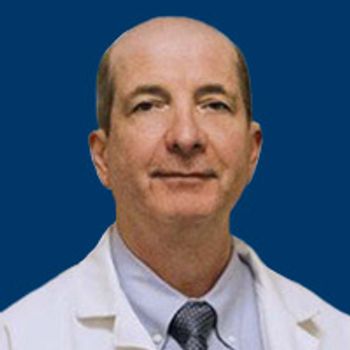
Adjuvant nivolumab monotherapy did not yield a disease-free survival benefit vs placebo in patients with localized renal cell carcinoma.