
SBRT plus nivolumab and ipilimumab did not improve PFS vs the dual checkpoint inhibitor regimen alone in advanced RCC.
SBRT plus nivolumab and ipilimumab did not improve PFS vs the dual checkpoint inhibitor regimen alone in advanced RCC.
Deep and durable responses were maintained with cabozantinib plus nivolumab in long-term follow-up of the CheckMate 9ER trial.
Pembrolizumab plus belzutifan reduced the risk of having a DFS event by 28% vs pembrolizumab alone in high-risk clear cell RCC.
Belzutifan plus lenvatinib significantly prolonged PFS and showed a trend toward improved OS vs cabozantinib in advanced ccRCC after anti–PD-L1 therapy.
The FDA has granted accelerated approval to zongertinib in HER2 TKD–mutated NSCLC, full approval to an encorafenib combination in BRAF V600E+ mCRC, and more.
In SunRISe-2, Gem-iDRS plus cetrelimab did not improve BI-EFS vs chemoradiotherapy in bladder-sparing MIBC and the trial stopped early for futility.
In an OncLive Ask the Expert program, Sagar Lonial, MD, FACP, FASCO, outlined how CELMoDs may be integrated into multiple myeloma care.
February brought key GI cancer updates: FDA approvals in BRAF+ mCRC and pancreatic cancer, plus new fast track and orphan designations.
An analysis of RETAIN-1 and RETAIN-2 showed ctDNA was prognostic for metastatic recurrence in MIBC.
Adding cabazitaxel to ADT and radiotherapy did not improve PFS or MFS vs SOC after 7 years among patients with high-risk localized prostate cancer.
Disitamab vedotin elicited response rates over 50% in previously treated HER2-expressing advanced urothelial carcinoma.
Perioperative enfortumab vedotin plus pembrolizumab improved EFS and OS in cisplatin-eligible muscle-invasive bladder cancer.
Lutetium Lu 177 vipivotide tetraxetan–based therapy generated similar QOL outcomes compared with ADT plus an ARPI alone in patients with mHSPC.

Did you catch all of this week's top oncology news? Test your knowledge with OncLive's Weekly News Quiz.

Roswell Park Comprehensive Cancer Center's Adult Multidisciplinary Neurofibromatosis Clinic was added to the NF Clinic Network.
The alpha-emitting radionuclide actinium-225 was well tolerated and produced PSA responses across all dose levels in patients with mCRPC.
Survey results highlight the top RCC and bladder cancer abstracts to watch at the 2026 Genitourinary Cancers Symposium.
In IMvigor011, adjuvant atezolizumab drove ctDNA clearance and improved DFS in ctDNA-positive muscle-invasive bladder cancer.
Long-term follow-up data from PEACE-3 showed enzalutamide plus radium-223 improved OS and rPFS in patients with mCRPC and bone metastases.
Short-course darolutamide boosted PSMA expression in some high-risk localized prostate cancer, supporting improved PSMA PET imaging strategies.
The addition of capivasertib to abiraterone elicited an rPFS advantage and preserved QOL compared with placebo plus abiraterone in PTEN-deficient mHSPC.
Gurbakhash Kaur, MD, discusses the exploration of CELMoDs in multiple myeloma care and how they may affect the treatment paradigm.
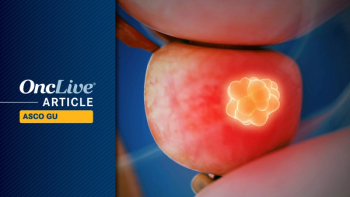
Abiraterone acetate, prednisone, and olaparib combination therapy boosted efficacy outcomes in first-line mCRPC.

The FDA expanded the indication for zongertinib in unresectble or metastatic nonsquamous NSCLC harboring HER2 TKD mutations.
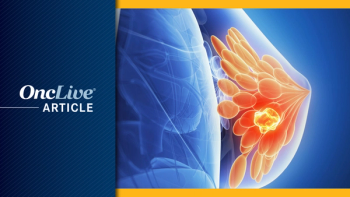
The bispecific ADC iza-bren elicited PFS and OS benefits compared with chemotherapy in pretreated, unresectable, locally advanced or metastatic TNBC.
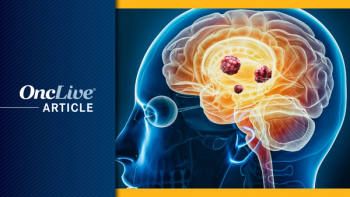
Keck Medicine of USC researchers found a potential way to break the blood-brain barrier to improve immune checkpoint inhibitor efficacy in recurrent, high-grade astrocytoma.
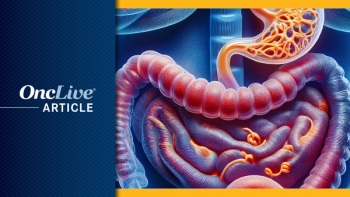
Obrixtamig plus platinum chemo showed a 72% response rate and manageable safety in frontline DLL3-positive NEC in the phase 1 DAREON-7 trial.
Richard D. Kim, MD, discusses how positive results from PODIUM-303 exemplify and support the shift towards chemoimmunotherapy regimens in frontline SCAC.

A large transcriptomic analysis identified actionable gene fusions in 9% of glioblastomas, defining a targetable molecular subset.
Mario Sznol, MD, discusses adjuvant vs neoadjuvant immunotherapy in melanoma and highlights emerging vaccines, cell therapies, and T-cell engagers.