
The addition of quizartinib to induction and consolidation chemotherapy, followed by single-agent quizartinib for up to 36 cycles, improved survival outcomes vs placebo in patients with FLT3 ITD–mutated, newly diagnosed acute myeloid leukemia.
The addition of quizartinib to induction and consolidation chemotherapy, followed by single-agent quizartinib for up to 36 cycles, improved survival outcomes vs placebo in patients with FLT3 ITD–mutated, newly diagnosed acute myeloid leukemia.

Without a plethora of randomized and historic data to compare treatments, selection and sequencing strategies for patients with relapsed/refractory multiple myeloma must balance a multitude of factors, including adverse effect profiles, disease resistance mechanisms, and more.

Developing an optimal treatment strategy for patients with accelerated- or blast-phase myeloproliferative neoplasms requires consideration of a patient's ability to tolerate intensive induction therapy, their eligibility for allogeneic stem cell transplant.

Florida Cancer Specialists & Research Institute is intentional in bringing world-class oncology and hematology care to patients.

Minimal residual disease negativity sustained for 6 months or longer with ciltacabtagene autoleucel prolonged duration of response and progression-free survival compared with minimal residual disease negativity sustained for less than 6 months in patients with heavily pretreated relapsed/refractory multiple myeloma.

Investigating the addition of novel agents to cytotoxic chemotherapy may help prevent relapse in patients with T-cell acute lymphoblastic leukemia by bolstering the efficacy of these standard frontline therapies.
A retrospective analysis of the Surveillance, Epidemiology, and End Results database emphasized the potential impact of specific socio-racial factors, such as race, sex, and age, on survival outcomes in patients with primary myelofibrosis.

No difference in relapse-free survival or non–relapse mortality was seen with intensive vs non-intensive consolidation chemotherapy regimens prior to allogeneic hematopoietic stem cell transplantation in elderly patients over the age of 60 with acute myeloid leukemia in first complete remission.
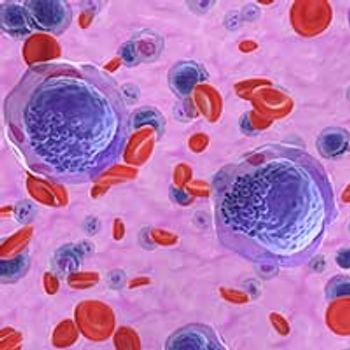
The implementation of treatment with later-generation BCR-ABL1 TKIs like ponatinib and chemotherapy-free combination regimens with blinatumomab plus a TKI have greatly pushed the treatment armamentarium of Philadelphia chromosome–positive acute lymphoblastic leukemia forward.

Current research suggests that circulating tumor DNA may have prognostic value when conducted at the conclusion of treatment in large B-cell lymphoma, indicating that minimal residual disease detection using ctDNA assessments such as PhaseEd-Seq could address imitations associated with the use of computed tomography or positron emission tomography/CT scans at this stage.

Early cytogenetic and molecular responses achieved with ponatinib was significantly linked with better long-term progression-free survival and overall survival in patients with highly resistant, pretreated chronic-phase chronic myeloid leukemia.

Findings from a systematic review of several observational studies reveal that increasing disparities in survival outcomes within hematologic malignancies can be primarily attributed to 5 social determinants of health: lack of access to health insurance, treatment at a non-academic facility, low income or education level, and unmarried status.

At the 17th Congress of the International Society of Behavioral Medicine, Dr. Penedo received the organization’s 2023 Distinguished Scientist Award.
The phase 3 COMMANDS trial investigating the use of luspatercept in patients with myelodysplastic syndrome who had not received an erythropoiesis-stimulating agent and were red blood cell transfusion dependent achieved its primary end point of superiority over treatment with an erythropoiesis-stimulating agent.
The prediction of relapse following treatment with allogeneic stem cell transplant in patients with acute myeloid leukemia in first complete remission remains an unmet need due to limitations attributed to measurable residual disease detection methods.

Treatment with the PI3Kδ inhibitor parsaclisib led to responses with a manageable safety profile in patients with relapsed/refractory mantle cell lymphoma, according to findings from the phase 2 CITADEL-205 trial.

The addition of the TKI ponatinib to reduced-intensity chemotherapy led to an increase in minimal residual disease-negative complete remission rate at the end of induction compared with imatinib among patients with Philadelphia chromosome-positive acute lymphoblastic leukemia.
Varying outcomes were observed among adolescent and young adult patients with Philadelphia chromosome-negative acute lymphoblastic leukemia who were treated with pediatric-inspired protocols vs adult chemotherapy regimens.

The safety profiles and the high response rates observed with bispecific antibodies in patients with B-cell lymphoma suggest that these agents possess the potential to revolutionize the management of these diseases, particularly follicular lymphoma.

Heather R. Williams, MD, expands on updated data from the the phase 3 PRIMA trial initially supporting the use of frontline PARP inhibitor maintenance in ovarian cancer, as well as changing indications for niraparib based on data from the NOVA trial.

The FDA has accepted a biologics license application seeking the approval of crovalimab for use in patients with paroxysmal nocturnal hemoglobinuria.
Amivantamab-vmjw plus carboplatin and pemetrexed, administered with or without lazertinib, significantly improved progression-free survival vs chemotherapy alone in patients with locally advanced or metastatic non–small cell lung cancer with EGFR exon 19 deletions or L858R substitutions after progression on or after osimertinib.

Press Release
Florida Cancer Specialists & Research Institute, LLC is pleased to welcome hematologist and medical oncologist Tien Do, MD to the statewide practice. He is providing care to patients at the FCS Tallahassee Cancer Center, 2351 Phillips Road, Tallahassee, FL.

A predictive system developed using data from United States and European stem cell transplant registries was prognostic of survival in patients with myelofibrosis undergoing allogeneic hematopoietic cell transplantation.
The well-publicized severe shortage of vitally important generic antineoplastic agents has highlighted a serious misalignment in the existing market-based and regulatory environment that permitted such an extraordinary situation to develop without meaningful resolution.
Patients with essential thrombocythemia and polycythemia vera who also had arterial hypertension experienced a higher cumulative incidence of thrombotic adverse effects compared with those without hypertension and fewer thrombotic complications following treatment with renin angiotensin system inhibitors.

The benzodiazepines lorazepam and alprazolam had differing effects on progression-free survival (PFS) outcomes among patients with pancreatic cancer, with lorazepam demonstrating an association with decreased PFS and alprazolam prolonging PFS.
Mazyar Shadman, MD, MPH, discusses the evolution of BTK inhibitors in CLL, highlights how treatment patterns have evolved with the continued emergence of data on ibrutinib, acalabrutinib, and zanubrutinib, and expands on how pirtobrutinib and liso-cel could address unmet needs for this patient population.
Millie Das, MD, highlights early efficacy signals with PARP inhibitors in patients with small cell lung cancer, how overall survival data from the phase 3 ADAURA trial confirm the efficacy of adjuvant osimertinib in patients with non–small cell lung cancer, and which patients may benefit most from immunotherapy as monotherapy or in combination with other agents.
The Northwestern Medicine Canning Thoracic Institute Hispanic Program was recently launched to offer personalized care for lung and thoracic patients in their native language, making life-saving care more accessible for the Hispanic community and people who prefer to speak Spanish by removing cultural and linguistic barriers.