

Rona Yaeger, MD, discusses the unmet needs for patients with KRAS G12C–mutated colorectal cancer and the promising combination therapy of adagrasib and cetuximab.
Rona Yaeger, MD, discusses the unmet needs for patients with KRAS G12C–mutated colorectal cancer and the promising combination therapy of adagrasib and cetuximab.

Uproleselan, an agent that disrupts the interaction between leukemia cells and their protective E-selectin microenvironment, is a promising novel AML therapy that may increase the efficacy and durability of other AML treatments.
Mikkael A. Sekeres, MD, MS, discussed the changes to the classifications of MDS, the evolution of targeted therapies for patients with acute myeloid leukemia, and approaches for patients with bone marrow failure syndromes.

The FDA has approved leuprolide acetate injection for use in the palliative treatment of patients with advanced prostate cancer.

press release
Antonio Iavarone, MD, has made a decades-long commitment to finding better treatments for glioblastoma and other aggressive brain tumors. As the new deputy director of Sylvester Comprehensive Cancer Center at the University of Miami Miller School of Medicine, he will have opportunities to do even more.
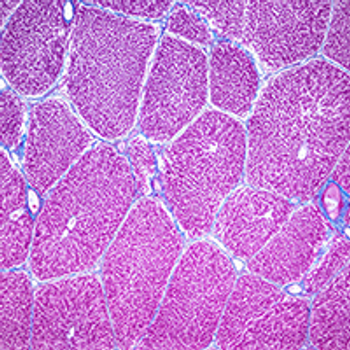
The FDA has granted an orphan drug designation to OTX-2002 for the treatment of patients with hepatocellular carcinoma.
The FDA has approved cobimetinib (Cotellic) for the treatment of adult patients with histiocytic neoplasms.
The administration of trilaciclib prior to treatment with sacituzumab govitecan meaningfully reduced adverse effects related to the antibody-drug conjugate in patients with unresectable locally advanced or metastatic triple-negative breast cancer, according to initial data from a phase 2 trial.

Optimizing clinical pathways to address financial toxicities faced by patients with cancer requires a complex, multifaceted approach. However, even small in-practice changes may ease the financial burdens and improve outcomes.

Lorlatinib improved progression-free survival and reduced 12-month cumulative incidence of central nervous system progression compared with crizotinib in patients with advanced ALK-positive non–small cell lung cancer irrespective of brain metastases at baseline.

Telisotuzumab vedotin in combination with erlotinib induced promising outcomes in patients with advanced, EGFR-mutated, c-MET-positive non–small cell lung cancer who were contraindicated for surgery or other approved therapies.

Treatment with FOLFIRINOX resulted in a significantly longer progression-free survival than that achieved with gemcitabine in patients with locally advanced pancreatic carcinoma, meeting the primary end point of the phase 3 NEOPAN trial.

ABBV-383 was effective and well tolerated at all administered doses in patients with relapsed/refractory multiple myeloma, according to safety and efficacy results from an ongoing first-in-human, phase 1 dose-escalation/-expansion study.

press release
Center will serve as a hub for commercialization of promising cancer therapies.

The first patient in the chronic lymphocytic leukemia cohort has been dosed in the phase 1 COVALENT-101 trial, which is evaluating the first-in-class covalent menin inhibitor BMF-219.

The European Commission has granted an orphan drug designation to selinexor for the treatment of patients with myelofibrosis.

When assessing monoclonal gammopathy it is important to rule out clinically significant associations requiring treatment.

Fam-trastuzumab deruxtecan-nxki induced meaningful antitumor activity in patients with HER2-positive, HER2-low, or HER2-negative metastatic breast cancer who presented with brain metastases at baseline.

In a 16 to 0 vote, the FDA’s Oncologic Drugs Advisory Committee voted that sufficient evidence has not been provided to conclude that 131I-omburtamab improves overall survival for pediatric patients with central nervous system /leptomeningeal metastases from neuroblastoma.
The FDA has granted a fast track designation to MT-101 for use as a potential therapeutic option in patients with relapsed or refractory, CD5-positive peripheral T-cell lymphoma.

In a special OncLive video program, The Board, D. Ross Camidge, MD, PhD, led a discussion regarding key abstracts that were presented during the 2022 ESMO Congress in non–small cell lung cancer.

Suchita Pakkala, MD, discussed how treatments like tucatinib and fam-trastuzumab deruxtecan-nxki have widened the armamentarium for patients with brain metastases; the importance of enrolling these patients in clinical trials; and what future treatment sequencing might look like for this population.
Reduced-intensity conditioning treatment plus Iomab-B prior to bone marrow transplant led to a durable and statistically significant 6-month complete remission rate vs conventional care in older patients with active, relapsed/refractory acute myeloid leukemia.

Luspatercept generated a statistically significant improvement in red blood cell transfusion independence with concurrent hemoglobin increase vs epoetin alfa in patients with very low–, low-, or intermediate-risk myelodysplastic syndromes who require RBC transfusions, meeting the primary end point of the phase 3 COMMANDS trial.
Prognosis, treatment outcomes, and molecular characteristics have become associated with sidedness in colorectal cancers making the distinction an essential characteristic for consideration in decison-making.

Cedars-Sinai cancer researchers identify new biomarkers linked with patient response to immunotherapy for many types of cancers.

D. Ross Camidge, MD, PhD, discusses the potential utility of sunvozertinib in patients with non–small cell lung cancer harboring EGFR exon 20 insertion mutations, the efficacy and safety data observed with the agent, and future research directions.
Benjamin Adam Weinberg, MD, discussed the expanding role of circulating tumor DNA in CRC and the various testing methods, the utilization of liquid biopsies, and the need for up-front genetic testing to identify molecular alterations.

A biologics license application has been submitted to the FDA seeking the approval of subcutaneous epcoritamab for the treatment of patients with relapsed/refractory large B-cell lymphoma or diffuse large B-cell lymphoma after 2 or more lines of systemic therapy.
The FDA has granted a fast track designation to 177Lu-edotreotide for use as a potential therapeutic option in patients with gastroenteropancreatic neuroendocrine tumors.