

“I still have about 250 active patients with blood cancers, and every single one has my cell phone. I do everything in real time....That connection is very important and meaningful for me.”
“I still have about 250 active patients with blood cancers, and every single one has my cell phone. I do everything in real time....That connection is very important and meaningful for me.”

The FDA has granted an orphan drug designation to the investigative allogeneic unmodified gamma delta T-cell product, TCB-002, for use as a potential therapeutic option in patients with relapsed/refractory acute myeloid leukemia.

The FDA has granted a fast track designation to the novel immunostimulant 7HP349 for use in combination with a CTLA-4 inhibitor in patients with unresectable or metastatic malignant melanoma in whom a PD-L1 inhibitor has failed.

The FDA has approved the FoundationOne CDx for use as a companion diagnostic to determine which patients with non–small cell lung cancer whose tumors harbor EGFR exon 19 deletions or exon 21 substitutions may derive benefit from EGFR TKIs that have been greenlit by the agency for this indication.

The history of radiation therapy for men with prostate cancer extends back more than a century. From those early crude methods, the field has advanced to delivery potentially curative therapies that can be administered in as little as 2 weeks.

The addition of uproleselan to standard chemotherapy improved improve response rates and reduced chemotherapy-induced mucositis in patients with newly diagnosed and relapsed/refractory acute myeloid leukemia in a phase 1/2 trial.

At a median follow-up of 3.5 years, adjuvant olaparib significantly improved overall survival vs placebo in patients with germline BRCA-mutated, HER2-negative, high-risk early breast cancer who received prior chemotherapy before or after surgery.

The addition of toripalimab to chemotherapy resulted in improved progression-free survival and overall survival vs chemotherapy alone in patients with treatment-naïve advanced non–small cell lung cancer without EGFR or ALK mutations.

The Ministry of Health, Labour, and Welfare has approved Guardant360 CDx to perform comprehensive genomic profiling in patients with advanced solid cancers.

Leading oncologists in breast cancer share their perspectives on the biggest abstracts that were presented throughout 2021 .

The applications for germline and somatic genetic testing in prostate cancer have skyrocketed, carving out an important role in screening, diagnosis, and treatment.

Press Release
Roy S. Herbst, MD, PhD, was honored by the International Association for the Study of Lung Cancer in recognition for his years of dedication and invaluable service to the organization and the lung cancer community.

Primo Nery Lara Jr, MD, provides an overview of the treatment landscape for patients with metastatic renal cell carcinoma.

Immune checkpoint inhibitors represent only one area of effective therapy for patients with advanced prostate cancer, but they are not “be all, end all” of immunotherapy options.

The fixed-dose combination of relatlimab and nivolumab continued to demonstrate a consistent progression-free survival benefit, showcased a clinically meaningful improvement in overall survival, and elicited a higher objective response rate than nivolumab alone in previously untreated patients with metastatic or unresectable melanoma.
Allarity Therapeutics, Inc. has filed a formal request with the FDA to hold a Type C meeting where they can discuss possible clinical paths to support the approval of dovitinib in renal cell carcinoma, as well as its DRP-Dovitinib companion diagnostic.

The phase 3 KEYLYNK-001 trial evaluating the combination of pembrolizumab and olaparib in patients with metastatic castration-resistant prostate cancer who progressed following chemotherapy and either abiraterone acetate or enzalutamide will be discontinued for futility.

Overwhelming evidence has pointed to the use of androgen deprivation therapy in combination with 1 or 2 other agents as the standard of care for patients with metastatic castration-sensitive prostate cancer.

The combination of cabozantinib and atezolizumab was not found to result in an improvement nor a detriment in overall survival vs sorafenib when used in previously untreated patients with advanced hepatocellular carcinoma, according to data from the phase 3 COSMIC-312 trial.

The National Comprehensive Cancer Network Clinical Practice Guidelines in Oncology has been updated to include duvelisib as a category 2A designated option for second-line and subsequent treatment of patients with relapsed/refractory peripheral T-cell lymphoma.

Mutations on the ESR1 gene, which encodes the estrogen receptor, have emerged as an important driver of resistance to endocrine therapies, which form the backbone of treatment for patients with ER-positive, HER2-negative breast cancer.
Effective treatment paths leveraging neoadjuvant chemotherapy have been well-established for patients with muscle-invasive bladder cancer, with mounting retrospective and prospective data continuing to demonstrate overall survival benefit compared with adjuvant chemotherapy.

Amcenestrant did not improve progression-free survival per independent central review vs physician’s choice of endocrine treatment in select patients with locally advanced or metastatic, estrogen receptor–positive, HER2-negative breast cancer, missing the primary end point of the phase 2 AMEERA-3 trial.
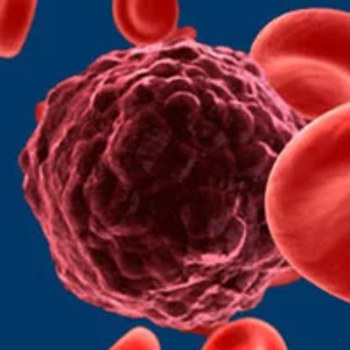
The addition of bempegaldesleukin to nivolumab did not significantly improve progression-free survival, objective response rate, or overall survival vs nivolumab alone in the frontline treatment of patients with unresectable or metastatic melanoma, missing the primary end points of the phase 3 PIVOT IO-001 trial.
The FDA has approved the BRACAnalysis CDx assay for use as a companion diagnostic to select patients with germline BRCA-mutated, HER2-negative, high-risk early breast cancer who may derive clinical benefit from treatment with olaparib.

Alexander Babatunde Olawaiye, MD, discusses frontline and second-line maintenance in ovarian cancer, the role of surgery in platinum-sensitive disease, and updates in cervical and endometrial cancers.

Press Release
American Oncology Network, LLC, announced a strategic collaboration with VieCure, a national leader in the deployment of Artificial Intelligence, codified clinical content and point-of-care clinical decision support in oncology.
Patients with metastatic urothelial carcinoma have multiple effective treatment options approved in both the first line and relapsed settings, with other promising agents and combinations currently in development.

Experts in the field of upper gastrointestinal cancers discuss recent data from the European Society for Medical Oncology Congress 2021 that may bolster the uptake of HER2 as a guide for treatment decisions in the second line.

The historical boundaries of what was possible in the management of patients with breast cancer continue to be challenged, evidenced by the use of HER2-directed therapies in patients with brain metastases, de-escalated approaches in patients with visceral disease, and less-invasive surgical techniques for patients with lymph node involvement.