
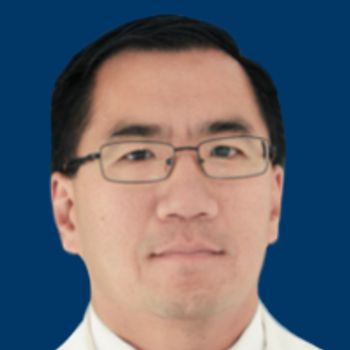
Jonathan D. Cheng, MD, discusses the various categories of immuno-oncology, including checkpoint inhibitors, immunotherapy combinations, and TKIs, that are moving the modality forward.
Jonathan D. Cheng, MD, discusses the various categories of immuno-oncology, including checkpoint inhibitors, immunotherapy combinations, and TKIs, that are moving the modality forward.
The FDA has approved olaparib for the adjuvant treatment of patients with germline BRCA-mutated, HER2-negative, high-risk early breast cancer who have previously received chemotherapy either before or after surgery.
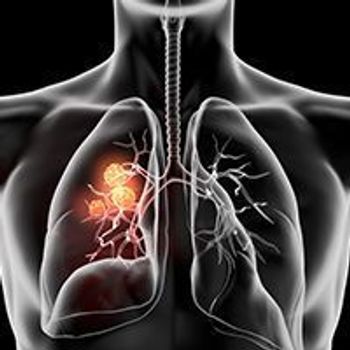
Sugemalimab significantly prolonged progression-free survival (PFS) vs placebo in Chinese patients with locally advanced, unresectable, stage III non–small cell lung cancer who did not progress after concurrent or sequential chemoradiotherapy.

The addition of anlotinib to sintilimab appeared to be efficacious and safe when used as a second- or later-line treatment in patients with PD-L1–positive, recurrent or metastatic cervical cancer.
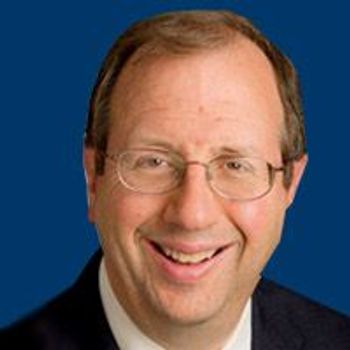
Driven by his mother’s advice and his father’s memory, Richard M. Stone, MD, rose to become a global leader in leukemia care and research.
Tiffany Traina, MD, discusses the body of evidence supporting the use of CDK4/6 inhibitors in hormone receptor–positive, HER2-negative breast cancer, shifting standards of care in HER2-positive disease, as well as biomarkers of response with checkpoint inhibitors and PARP inhibitors in triple-negative breast cancer.
Press Release
Consortium seeks to advance underdeveloped area of brain cancer research, advance drug development, and improve treatment options for patients

Fenghuang Zhan, MD, PhD, and John D. Shaughnessy, Jr, PhD, discuss the need for a paradigm shift in the treatment of multiple myeloma with the integration of immunotherapy.
Michael Birrer, MD, PhD, discusses how new technology has transformed ADCs, how upifitamab rilsodotin could have a role in treating patients with ovarian cancer, and why the NaPi2B biomarker could be a vital target.
Claire Roddie, MD, PhD, discusses how the phase 1/2 FELIX trial could impact the treatment landscape for acute lymphoblastic leukemia, how CAR T-cell therapies have evolved, and what challenges remain in making these treatments more accessible for patients.

Kelvin P. Lee, MD, discusses the nuances of an effective molecular tumor board, explains the practical application of precision oncology genomics, and highlights the pathways that have the potential to change the treatment landscape for precision oncology.
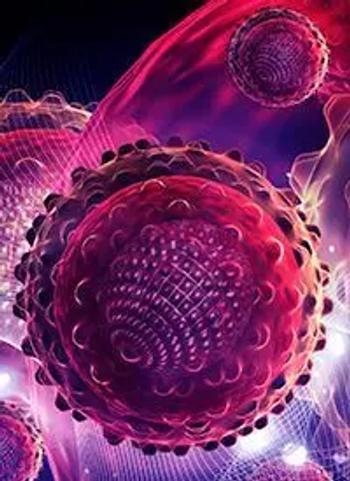
A marketing authorization application has been submitted to the European Medicines Agency for 2 indications of ivosidenib: in combination with azacitidine in the frontline treatment of patients with IDH1-mutated acute myeloid leukemia who are not candidates for intensive chemotherapy and in previously treated patients with locally advanced or metastatic IDH1-mutated cholangiocarcinoma.

The combination of ribociclib and letrozole resulted in a statistically significant improvement in overall survival vs letrozole alone in patients with postmenopausal, hormone receptor–positive, HER2-negative advanced breast cancer, with this benefit continuing to increase over time, supporting the use of this combination as a frontline treatment in this population.
Press Release
Joshua Eaves joined the Florida Cancer Specialists & Research Institute senior management team as senior vice president, corporate development.
Since most diagnoses of esophageal squamous cell carcinoma are made when the disease is in advanced stages, investigators have initiated studies to evaluate the efficacy of immunotherapy in earlier lines of therapy, including in combination with chemoradiotherapy.
Rana R. McKay, MD, discusses findings from a real-world study on genomic alterations of metastases in renal cell carcinoma, the rationale of the phase 3 COSMIC-313 trial in patients with previously untreated advanced or metastatic RCC, plus findings from the phase 1/2 COMRADE trial in patients with metastatic castration-resistant prostate cancer.
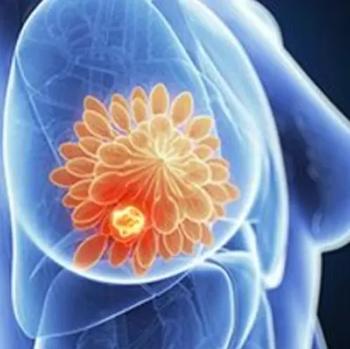
The United Kingdom’s National Institute for Health and Clinical Excellence has issued draft guidance recommending against pembrolizumab plus chemotherapy as a treatment for patients with metastatic triple-negative breast cancer whose tumors express PD-L1 with a combined positive score of 10 or more and who have not received chemotherapy for metastatic disease.
Clinical outcomes achieved with talazoparib in a real-world population of patients with HER2-negative, locally advanced or metastatic breast cancer harboring germline BRCA mutations proved to be consistent with those observed in the phase 3 EMBRACA trial.
A subset of patients with EGFR-positive glioblastoma experienced significantly longer progression-free survival when treated with adjuvant neratinib following chemoradiation vs adjuvant temozolomide alone, although no overall PFS benefit or any overall survival improvement was seen in the overall population.

Treatment with the CD19-directed CAR T-cell therapy brexucabtagene autoleucel demonstrated significant activity, marked by high response rates and prolonged survival, in patients with relapsed mantle cell lymphoma in the pivotal ZUMA-2 trial.

A supplemental new drug application and a Variation Type II application have been submitted to the FDA and the European Medicines Agency, respectively, seeking the approval of darolutamide plus docetaxel in patients with metastatic hormone-sensitive prostate cancer.
Stephen Oh, MD, PhD, discusses current and emerging agents in myelofibrosis, advances in the treatment of patients with relapsed/refractory diffuse large B-cell lymphoma, updates in acute and chronic graft-vs-host-disease, and chronic lymphocytic leukemia management.
The pandemic appears to have caused or contributed to a number of lasting changes in the way oncologists provide clinical care to their patients.
Eleni Efstathiou, MD, PhD, discussed the combination of niraparib and abiraterone acetate and prednisone in patients with metastatic castration-resistant prostate cancer and homologous recombination repair gene alterations, results from the MAGNITUDE trial, and next steps for research.
The FDA has granted an orphan drug designation to epcoritamab for use as a potential therapeutic option for patients with follicular lymphoma.
Although the addition of copanlisib to ibrutinib resulted in a high overall response rate in patients with relapsed/refractory mantle cell lymphoma, the regimen was found to have additive toxicity, according to findings from a small phase 1 trial.
The phase 3 NuTide:121 trial examining the first-in-class nucleotide analogue NUC-1031 in combination with cisplatin vs gemcitabine plus cisplatin in patients with advanced biliary tract cancer is being discontinued.
The FDA has placed a partial clinical hold on the phase 1 NEON-2 trial examining the combination of davoceticept and pembrolizumab in patients with advanced solid tumors or lymphoma.
The combination of ibrutinib given at 420 mg and venetoclax at 200 mg elicited an objective response rate of 93.8% in patients with relapsed/refractory mantle cell lymphoma, according to results of a phase 1 dose-finding study.

Antibody-drug conjugates are innovative and effective therapeutic agents that have transformed the treatment landscape for patients with HER2-positive breast cancer and triple-negative breast cancer.