

In combination with standard-of-care carboplatin and pemetrexed, the investigational agent LP-300 will be evaluated in never smokers with non–small cell lung cancer in the phase 2 HARMONIC study.

Your AI-Trained Oncology Knowledge Connection!
In combination with standard-of-care carboplatin and pemetrexed, the investigational agent LP-300 will be evaluated in never smokers with non–small cell lung cancer in the phase 2 HARMONIC study.
Daniel J. George, MD, discusses the clinical implications use of key trials in metastatic castration-resistant prostate cancer.

The oral PI3Kδ inhibitor zandelisib produced an overall response rate in Japanese patients with relapsed/refractory indolent B-cell non-Hodgkin lymphoma without small lymphocytic lymphoma, lymphoplasmacytic lymphoma, and Waldenström macroglobulinemia.

The increasing role of antibody-drug conjugates have led to questions of sequencing for patients with HER2-positive breast cancer, whereas new data for first-generation PD-L1 inhibitors, such as pembrolizumab have shaken up the treatment paradigm for others.

Press Release
Two new studies show how bugs could help tumors progress and resist treatment.

The FDA has accepted and granted priority review to a biologics license application seeking the apporoval of epcoritamab in patients with relapsed or refractory large B-cell lymphoma after 2 or more lines of systemic therapy.
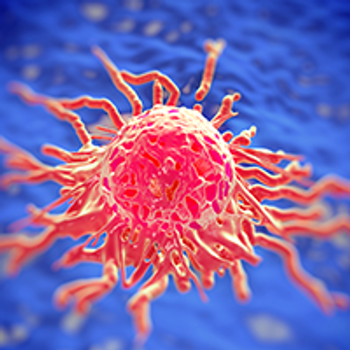
Molecular and immune landscapes for solid tumors are constantly evolving as precision medicine techniques become more sensitive and next-generation sequencing methods are taken up in clinical practice.

After receiving FDA feedback regarding supplemental assay validation information and comparability data for lifileucel in advanced melanoma, Iovance Biotherapeutics will address these comments and plans to complete its rolling biologics license application submission during the first quarter of 2023.
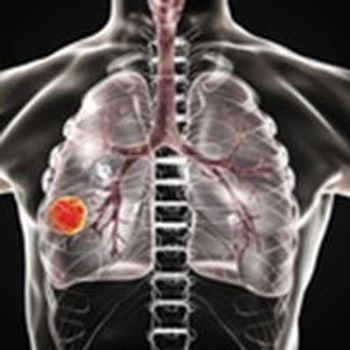
The median time between pathologic diagnosis to next-generation sequencing was reduced in a quality improvement project for patients with newly diagnosed metastatic non–small cell lung cancer.
Treatment developments in advanced prostate cancer are hinging on the benefits of triplet therapy and individualized care, the results of which are also informing treatment sequencing.

The FDA has approved a supplemental biologics license application to add a Monday/Wednesday/Friday intramuscular dosing schedule for asparaginase erwinia chrysanthemi (recombinant)-rywn (Rylaze).

OncLive® and The Ruesch Center for the Cure of Gastrointestinal Cancers at Georgetown Lombardi Comprehensive Cancer Center, have recognized 4 gastrointestinal physician-scientists and a prominent patient advocate, naming them as 2022 Luminary Awards in GI Cancers.
The European Commission has approved zanubrutinib for the treatment of adult patients with treatment-naïve or relapsed/refractory chronic lymphocytic leukemia.
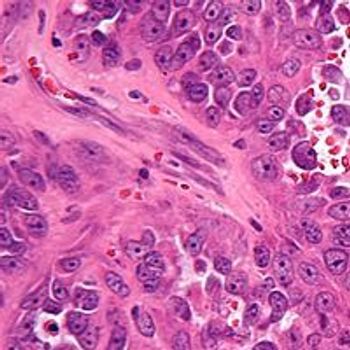
Camsirubicin in combination with pegfilgrastim produced encouraging clinical activity and safety in patients with advanced soft tissue sarcoma.

The FDA has asked Clovis Oncology to limit use of rucaparib to second-line maintenance therapy for patients with recurrent ovarian cancer harboring BRCA mutations.

Autologous tumor lysate-loaded dendritic cell vaccination used in combination with standard-of-care treatment extended overall survival for patients with newly diagnosed glioblastoma as well as those with recurrent disease.
Improved mantle cell lymphoma treatments are necessary for patients who have relapsed on or are refractory to BTK inhibitors, according to findings from SCHOLAR-2, a multicenter, retrospective chart review of European patients with MCL who relapsed following or were intolerant to BTK inhibitors.
Ponatinib plus reduced-intensity chemotherapy produced a higher rate of minimal residual disease–negative complete remission compared with imatinib in patients with newly diagnosed Philadelphia chromosome–positive acute lymphoblastic leukemia.

Ibrutinib therapy remains an effective treatment, particularly in the second line, in patients with relapsed/refractory mantle cell lymphoma.

Press Release
Expert in minimally invasive and robotic surgery will expand access to new technology and advancesurgical research in Central New Jersey.

Onatasertib plus toripalimab elicited an objective response rate of 52.4% in patients with relapsed or metastatic cervical cancer, irrespective of PD-L1 expression.

The FDA has granted an orphan drug designation to vebreltinib for the treatment of patients with non–small cell lung cancer harboring MET genomic tumor aberrations.

The FDA has granted an orphan drug designation to the highly specific HDAC6 inhibitor AVS100 for the treatment of patients with stage IIB to IV melanoma.

A variety of factors must be considered for treatment decisions for patients with renal cell carcinoma due to the expanded number of options available to clinicians.

The addition of zolbetuximab to oxaliplatin, leucovorin, and fluorouracil significantly improved progression-free survival vs fluorouracil alone in patients with Claudin 18.2–positive, HER2-negative, locally advanced unresectable or metastatic gastric or gastroesophageal junction adenocarcinoma.
Emerging technologies such as PSMA-PET and magnetic resonance imaging, as well as increasingly refined molecular tests, are strengthening the prostate cancer treatment landscape.

The United Kingdom’s National Institute for Health and Care Excellence has issued final guidance recommending the use of mobocertinib for patients with advanced non–small cell lung cancer harboring EGFR exon 20 insertion mutations who have already received platinum-based chemotherapy.

Shambavi Richard, MD, discussed key studies that continue to shape the SOC in both the transplant-eligible and -ineligible populations, the role of transplant in the space, and unmet needs that remain for older and frail patients.

Novel agents such as momelotinib and pacritinib are expanding the myelofibrosis treatment landscape, and additional research will further define the options available for patients with this disease, as well as those with other leukemias and lymphomas.
Press Release
Researchers from Wake Forest University School of Medicine have discovered a possible new approach in treating solid tumors through the creation of a novel nanoparticle.