

A team led by Lluis Morey, PhD, has received a five-year, $1.7 million grant from the National Institute of General Medical Sciences to investigate treatment resistance in estrogen receptor positive breast cancer.

Your AI-Trained Oncology Knowledge Connection!
A team led by Lluis Morey, PhD, has received a five-year, $1.7 million grant from the National Institute of General Medical Sciences to investigate treatment resistance in estrogen receptor positive breast cancer.
Daniel G. Haller, MD, says he has relied on “cheerful serendipity” throughout his life and career.

The utilization of monoclonal antibodies such as nivolumab and Ipilimumab have become vital in shifting the treatment paradigm in gastroesophageal and gastrointestinal cancers.

Dhyan Chandra, PhD, discusses recent findings relating to low levels of cytochrome C in Black men with prostate cancer, plus plans for future research on this topic.
The long-term dramatic effects of the COVID-19 pandemic on cancer research and patient care present several challenges but also future opportunities.
The FDA’s Oncologic Drugs Advisory Committee voted against using single-country foreign data to support a biologics license application for sintilimab injection plus pemetrexed and platinum-based chemotherapy for the frontline treatment of patients with nonsquamous non–small cell lung cancer.
Induction treatment with ibrutinib and rituximab was safe and active in patients with mantle cell lymphoma aged 65 years or younger, allowing for fewer cycles of subsequent chemotherapy with rituximab plus hyperfractionated cyclophosphamide, vincristine, doxorubicin, and dexamethasone thereby reducing toxicity.
With 9 approved markers in non–small cell lung cancer and a plethora of established and emerging therapies that have been designed to target them, the need for molecular testing is more important than ever.
The organizations join forces to become one of the largest cancer research and treatment organizations in the country.
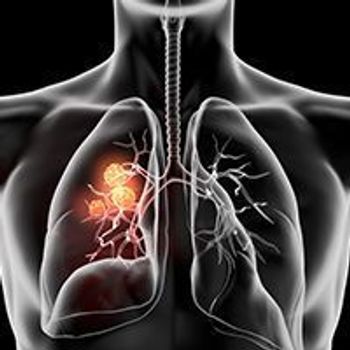
A growing recognition of the distinct clinical, pathological, and biological features of lung cancers that arise in nonsmokers is fostering greater interest in examining the molecular underpinnings of lung cancer in this patient subset.
Douglas W. Sborov, MD, MS, discusses key data and therapeutic developments that have reshaped the treatment of patients with newly diagnosed and relapsed/refractory multiple myeloma.
Jeffrey Zonder, MD, discusses his presentation at the 2021 ASH Annual Meeting on the impact of the phase 1/2 study utilizing REGN5458 in multiple myeloma.
Accelerating progress in childhood cancer faces three main obstacles: funding, drugs, and family support.
Treatment with rituximab prior to COVID-19 vaccination nearly halved the number of patients with B-cell non-Hodgkin lymphoma who developed blocking antibodies following COVID-19 vaccination compared with healthy controls.

Patients with HER2-positive, early-stage breast cancer who achieved a pathologic complete response after receiving HER2-targeted therapy experienced better outcomes in terms of disease-free survival and overall survival vs those who did not, according to data from a real-world study.
The Tisch Cancer Institute at Mount Sinai and the Samuel Waxman Cancer Research Foundation are launching a unique research program that will fund collaborations between TCI physician-scientists and colleagues from other established cancer research institutions to address the rising rates of cancer due to aging around the world.
Although cytogenetic abnormalities have helped to characterize prognosis and identify patients who are at high risk of early progression, risk stratification has little effect on management decisions for most patients with multiple myeloma.
Meredith McKean, MD, MPH, discusses how the presence of atypical BRAF mutations affects treatment selection in patients with metastatic melanoma, highlighted the ongoing KN-8701 trial, and explained why developments in this space further solidify the importance of broad molecular profiling.
Although brachytherapy is rarely utilized as a treatment for pediatric and adolescent/young adult patients in the United States, AYA patients with rhabdomyosarcoma treated with BT had favorable survival outcomes.

Lyudmila Bazhenova, MD, explores key challenges faced with diagnosing and appropriately treating patients with non–small cell lung cancer that harbors EGFR exon 20 insertion mutations and provides insight into the second-line options that have recently garnered regulatory approval.

Health care disparities remain a major issue in cancer care, and factors contributing to this inequality stretch far beyond access to clinical care.

The National Comprehensive Cancer Network is one of many organizations that is taking a stand against inequity in health care by aligning themselves with the new 3-year campaign, entitled “Close the Care Gap,” led by the Union for International Cancer Control.
Rapides Cancer Center and American Oncology Network are joining forces to provide advanced, comprehensive and convenient care for patients in Central Louisiana.

Frontline maintenance treatment with selinexor resulted in a statistically significant improvement in median progression-free survival vs placebo in patients with advanced or recurrent endometrial cancer, meeting the primary end point of the phase 3 SIENDO trial.
Despite the breakthroughs in the development of therapeutic regimens for patients with mantle cell lymphoma, variability in treatment pathways presents a unique hurdle in determining the appropriate course of care following disease progression.

The combination of the TKI inhibitor imatinib and the MEK inhibitor binimetinib elicited encouraging responses in patients with treatment-naïve advanced gastrointestinal stromal tumors.
Antibody-drug conjugates appear to have the most activity in those with non–small cell lung cancer and HER2 expression.
Repeat histologic evaluation and molecular testing in patients with EGFR-mutant non–small cell lung cancer who develop acquired resistance to osimertinib can deliver pertinent information that can help guide subsequent treatment decisions.
Although PD-L1 expression and histology served as helpful stratification factors in pivotal trials, the paradigm will need to build out more tailored selection strategies as additional checkpoint inhibitors move through development.
Concurrent chemoradiation followed by durvalumab has become the standard of care for patients with unresectable stage III non–small cell lung cancer based on the results of the phase 3 PACIFIC trial. However, several strategies are under clinical evaluation to push the paradigm beyond the PACIFIC regimen.