
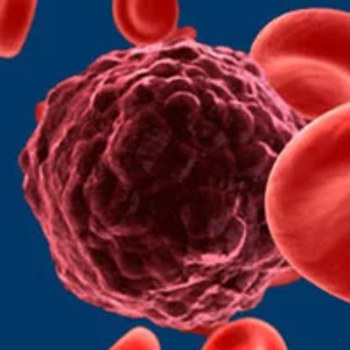
The BNT162b2 mRNA COVID-19 vaccine may demonstrate decreased efficacy in patients with certain types of hematologic cancers, such as chronic lymphocytic leukemia and multiple myeloma.

Your AI-Trained Oncology Knowledge Connection!
The BNT162b2 mRNA COVID-19 vaccine may demonstrate decreased efficacy in patients with certain types of hematologic cancers, such as chronic lymphocytic leukemia and multiple myeloma.

Fixed-duration ibrutinib plus venetoclax produced superior progression-free survival when compared with chlorambucil plus obinutuzumab in the frontline treatment of patients with chronic lymphocytic leukemia, with durable responses observed in those who achieved undetectable minimal residual disease negativity.

Naveen Pemmaraju, MD, discusses approaches to adequately manage symptoms experienced by patients with myelofibrosis, challenges faced with defining disease progression, and strategies for when to initiate or delay treatment.

The median progression-free survival benefit experienced by patients with metastatic breast cancer who were HER2 positive at initial diagnosis and who were receiving standard HER2-directed therapies proved to be more favorable than what was reported in those who were HER2 negative and switched to HER2 positive status.

Treatment with darolutamide induced a low cumulative incidence of hormone treatment–related adverse effects that was comparable to treatment with placebo in patients with nonmetastatic castration-resistant prostate cancer, according to findings from a safety analysis of the phase 3 ARAMIS trial.
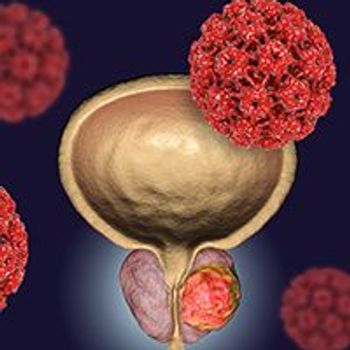
Abiraterone acetate plus prednisone should be considered as the first treatment choice for patients with newly diagnosed metastatic castration-resistant prostate cancer if fatigue is a concern.

Eighty-five percent of patients with nonmetastatic castration-resistant prostate cancer who crossed over from placebo to darolutamide in the phase 3 ARAMIS trial experienced a maximum prostate-specific antigen decline of at least 50% at any time of crossover.

Tucatinib and ONT-993 were found to be detectable in the cerebrospinal fluid of all patients with leptomeningeal metastases from HER2-positive metastatic breast cancer who received treatment with tucatinib plus trastuzumab and capecitabine.
Investigators demonstrated that the benefit of androgen deprivation therapy was extended with the addition of apalutamide for patients with metastatic castration-sensitive prostate cancer regardless of disease volume.

Intense androgen receptor inhibition with neoadjuvant apalutamide did not complicate robotic prostatectomy surgical outcomes.

Halle Moore, MD, discusses the data that support the use of CDK4/6 inhibitors plus endocrine therapy in HR-positive, HER2-negative breast cancer, how to select between available CDK4/6 inhibitors in the metastatic setting, and the current state of this treatment approach for patients with early-stage disease.

The FDA has approved daratumumab plus hyaluronidase-fihj (Darzalex Faspro) plus pomalidomide and dexamethasone for the treatment of adult patients with multiple myeloma who have received at least 1 prior line of therapy, including lenalidomide and a proteasome inhibitor
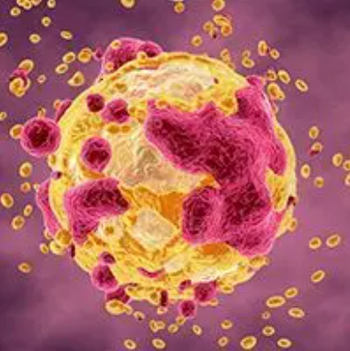
The combination of belapectin plus pembrolizumab has demonstrated early potential for disease control with acceptable tolerability in patients with metastatic melanoma and head and neck cancer.

Patients with a urological cancer who were also infected with COVID-19 and undergoing elective surgery for their disease, were found to have a significantly higher likelihood of experiencing respiratory complications and mortality than those without the virus.

Sequential combination treatment with mytomicin chemotherapy and Bacillus Calmette-Guérin (BCG) showed comparable safety compared with BCG alone in patients with high-risk non-muscle–invasive bladder cancer.

The data with CDK4/6 inhibitors, PI3K inhibitors, antibody-drug conjugates, and PARP inhibitors in metastatic breast cancer continue to support their use in the clinic.
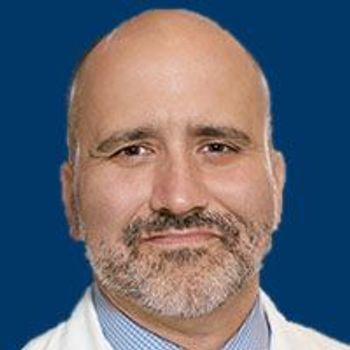
Molecular characterization of endometrial tumors has resulted in a boom of investigative efforts aimed at ushering in a new era of tailored therapeutic regimens for patients with these malignancies.
The FDA has granted a regular approval to enfortumab vedotin-ejfv and has expanded the agent's indication to include adult patients with locally advanced or metastatic urothelial cancer who are ineligible for cisplatin-containing chemotherapy and who have received 1 or more prior lines of therapy.

The provision of urologic care underwent a significant decline during the height of the COVID-19 pandemic across all demographic groups and practice settings in the United States, regardless of the timing of stay-at-home order mandates.

Robert J. Motzer, MD, discusses the efficacy and health-related quality of life benefits of lenvatinib/pembrolizumab in patients with advanced RCC, and projected where the regimen might fit into the treatment paradigm.

Although the armamentarium of multiple myeloma is rich with available treatment options, novel triplet regimens, maintenance therapies, and targets beyond BCMA are further expanding the paradigm across the newly diagnosed, early-relapse, and late-relapse disease states.

Copanlisib plus rituximab exhibited a manageable safety profile and superior efficacy in patients with relapsed indolent non-Hodgkin lymphoma (iNHL) compared with rituximab plus placebo.

The combination of galinpepimut-S and pembrolizumab has demonstrated promising clinical immunobiological activity in patients with Wilms Tumor 1–positive, relapsed or refractory, platinum-resistant advanced metastatic ovarian cancer, according to results from an ad-hoc analysis of a phase 1/2 trial.

Heather L. McArthur, MD, MPH, discusses key advances in breast cancer regarding CDK4/6 inhibitors, PI3K inhibitors, and subcutaneous formulations of standard treatments.

Several studies presented during the 2021 ASCO Annual Meeting highlighted the severity of racial and ethnic disparities that exist in the treatment of patients with cancer, ranging from clinical trial enrollment to routine care visits.
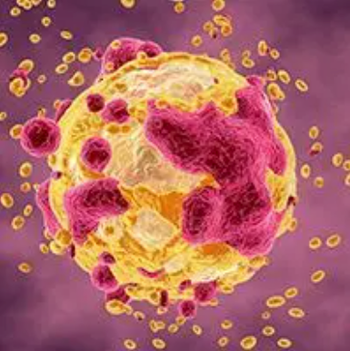
During the past decade, a growing number of PD-1/PD-L1 inhibitors gained FDA approval to treat a wide range of cancer types. Their stimulatory counterparts also emerged as sought-after anticancer targets but have proved much more challenging to manipulate therapeutically.

Balazs Halmos, MD, MS, discusses a study examining the effectiveness of COVID-19 vaccination in patients with cancer and identified important areas for future research.

Tanios Bekaii-Saab, MD, spotlights the recent developments made in gastrointestinal cancers.
The combination of INN melphalan flufenamide and dexamethasone was found to induce a superior progression-free survival benefit over pomalidomide plus dexamethasone in patients with relapsed/refractory multiple myeloma who had previously received 2 to 4 lines of therapy, meeting the primary end point of the phase 3 OCEAN trial.
The National Comprehensive Cancer Network (NCCN) has launched a digital initiative to provide strategic approaches specifically geared toward employers who need to navigate a diagnosis of cancer among their staff.