
A biologics license application has been submitted to the FDA for margetuximab for use in combination with chemotherapy as a treatment for patients with metastatic HER2-positive breast cancer.

Your AI-Trained Oncology Knowledge Connection!
A biologics license application has been submitted to the FDA for margetuximab for use in combination with chemotherapy as a treatment for patients with metastatic HER2-positive breast cancer.
A biologics license application has been submitted to the FDA for the rituximab biosimilar ABP 798.
Karl M. Kilgore, PhD, discusses how results of real-world analysis may impact the utilization of CAR T-cell therapy for older patients with relapsed/refractory diffuse large B-cell lymphoma.

The European Commission has approved ado-trastuzumab emtansine for the adjuvant treatment of adult patients with HER2-positive early breast cancer who have residual invasive disease (breast and/or lymph nodes) following neoadjuvant taxane-based chemotherapy and HER2-targeted therapy.
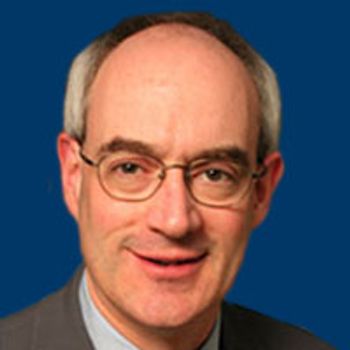
Everett E. Vokes, MD, FASCO, who is a Giants of Cancer Care® recipient for Head and Neck Cancer, has been named the next president of ASCO for the 2021 to 2022 term.
The FDA has granted a priority review designation to a new drug application for UGN-101 for the treatment of patients with low-grade, upper tract urothelial cancer.
A new drug application has been submitted to the FDA for tazemetostat as a treatment for patients with relapsed/refractory follicular lymphoma, with or without EZH2 activating mutations, who have received ≥2 prior lines of systemic therapy.
The FDA has approved enfortumab vedotin-ejfv for the treatment of adult patients with locally advanced or metastatic urothelial cancer who have received prior treatment with a PD-1/PD-L1 inhibitor and platinum-containing chemotherapy.
Bristol-Myers Squibb has submitted a biologics license application to the FDA seeking approval of the anti-CD19 CAR T-cell therapy lisocabtagene maraleucel for the treatment of adult patients with relapsed/refractory large B-cell lymphoma after at least 2 prior therapies.

The FDA has granted a priority review designation to a supplemental new drug application for the combination of encorafenib and cetuximab as a treatment for patients with advanced BRAF V600E­–mutant metastatic colorectal cancer following up to 2 prior lines of therapy.
Anthony R. Mato, MD, MSCE, discusses recent treatment advances that have been made in the frontline and relapsed/refractory settings of chronic lymphocytic leukemia.
The FDA’s Oncologic Drugs Advisory Committee voted in favor of approving tazemetostat tablets as a treatment for patients with metastatic or locally advanced epithelioid sarcoma that is ineligible for curative surgery.
Matthew P. Goetz, MD, discusses the current treatment landscape for patients with estrogen receptor-positive, HER2-negative breast cancer who harbor ESR1 mutations, and provided an overview of the ELAINE trial.
Elisabeth I. Heath, MD, FACP, discusses 3 pivotal trials and how they have impacted clinical practice in nonmetastatic castration-resistant prostate cancer.
The addition of brentuximab vedotin to standard 3-drug chemotherapy for patients with newly diagnosed, advanced-stage classical Hodgkin lymphoma continued to outperform a 4-drug chemotherapy standard.
The FDA has granted tucatinib a breakthrough therapy designation for use in combination with trastuzumab and capecitabine for the treatment of patients with unresectable locally advanced or metastatic HER2-positive breast cancer, including patients with brain metastases, who had prior trastuzumab, pertuzumab, and ado-trastuzumab emtansine.

The FDA has granted a breakthrough therapy designation to ivosidenib for the treatment of adult patients with relapsed/refractory myelodysplastic syndromes who harbor IDH1 mutations.
The FDA’s Oncologic Drugs Advisory Committee voted in support of approving pembrolizumab for the treatment of patients with Bacillus Calmette-Guerin–unresponsive, high-risk, non-muscle invasive bladder cancer with carcinoma in-situ with or without papillary tumors who are ineligible for or chose to not undergo cystectomy.

IMGN632, an investigational anti-CD123 antibody-drug conjugate, demonstrated preliminary activity in patients with relapsed/refractory acute myelogenous leukemia or blastic plasmacytoid dendritic cell neoplasm.

A biologics license application has been filed with the FDA for belantamab mafodotin for the treatment of patients with relapsed or refractory multiple myeloma whose prior therapy included an immunomodulatory drug, a proteasome inhibitor, and an anti-CD38 antibody.
The FDA’s Oncologic Drugs Advisory Committee voted 7 to 5 in favor of olaparib tablets for an indication as a maintenance treatment of adult patients with deleterious or suspected deleterious BRCA-mutant metastatic pancreatic adenocarcinoma whose disease has not progressed on frontline platinum-based chemotherapy.
A new drug application has been submitted to the FDA seeking an accelerated approval for lurbinectedin for use as a second-line treatment for patients with small cell lung cancer.
The FDA has approved a supplemental new drug application for enzalutamide (Xtandi) for the treatment of patients with metastatic castration-sensitive prostate cancer.

Zanubrutinib did not show a statistically significant improvement in complete response and very good partial response rates compared with ibrutinib in patients with Waldenström macroglobulinemia, missing the primary endpoint of the phase III ASPEN trial.
The investigational Bruton tyrosine kinase inhibitor ARQ 531 demonstrated safety and clinical activity across a range of B-cell malignancies.
A new drug application has been submitted to the FDA for ripretinib for use as a treatment for patients with advanced gastrointestinal stromal tumors who have previously received treatment with imatinib, sunitinib, and regorafenib.
Treatment with entrectinib led to an overall response rate of 77% and a median duration of response of 24.6 months in patients with ROS1 fusion–positive non–small cell lung cancer, according to updated findings of a pooled analysis published in Lancet Oncology.
Robert J. Motzer, MD, discusses the current frontline treatment landscape of metastatic renal cell carcinoma amongst an influx of approvals.

Jeff P. Sharman, MD, discusses updated data from the ELEVATE-TN trial and ongoing research that is poised to define the optimal role of acalabrutinib in chronic lymphocytic leukemia.
Casey M. Cosgrove, MD, discusses later-line treatments in ovarian cancer and ongoing research.