

The JAK/ROCK inhibitor rovadicitinib may provide a safe and effective new treatment option for patients with myelofibrosis who progressed on ruxolitinib.
The JAK/ROCK inhibitor rovadicitinib may provide a safe and effective new treatment option for patients with myelofibrosis who progressed on ruxolitinib.

The ACR-368 OncoSignature assay has received breakthrough device designation from the FDA for use in endometrial cancer.

The European Commission has approved serplulimab in combination with carboplatin and etoposide for the frontline treatment of adult patients with ES-SCLC.

The model, called EpiBERT, was inspired by BERT, a deep learning model designed to understand and generate human-like language.

Manish R. Patel, MD, and Gottfried E. Konecny, MD, detail findings from studies evaluating CLDN6-directed agents that showed signals of promising efficacy and tolerability.

Fedratinib showed early improvements in platelet count in patients with myelofibrosis.

Sattava S. Neelapu, MD, discusses updated data from the 5-year follow-up analysis evaluating axi-cel in relapsed/refractory indolent non-Hodgkin lymphoma.
Guillermo Garcia-Manero, MD, discusses the developmental progress of emavusertib for the treatment of acute myeloid leukemia and myelodysplastic syndromes.

Optimized T-cell manufacturing is one strategy that may prevent SPCs after CAR T-cell therapy, according to Shyam A. Patel, MD, PhD, and Saurabh Dahiya, MD, FACP.

The variety of nonclassical EGFR mutations in NSCLC necessitates the development of unique treatment strategies based on individual mutational profiles.

Eric Goodlev, MD, associate professor in the supportive oncology and palliative care program, was recently named a Fellow of the American Academy of Hospice and Palliative Medicine.

THIO plus cemiplimab generated a potential survival benefit in pretreated advanced non–small cell lung cancer.

The EMA’s CHMP has issued a positive opinion supporting the approval of subcutaneous amivantamab in EGFR-mutated NSCLC.

UF-Kure19, a rapidly manufactured CAR T-cell therapy, generated an 80% complete response rate in relapsed/refractory non-Hodgkin lymphoma.
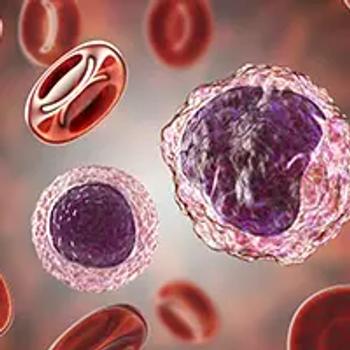
Experts break down emerging data for the use of quadruplet regimens in newly diagnosed multiple myeloma.

A phase 2 study demonstrated that TAK-007 had a favorable safety profile with early efficacy in relapsed/refractory B-cell non-Hodgkin lymphoma.

KEAP1 and STK11 have emerged as potential biomarkers of response to immuno-oncology combinations in frontline NSCLC.
Here is your snapshot of all therapeutic options that were approved by the FDA in January 2025 spanning tumor types.

Austin D. Williams, MD, MSEd, FACS, was recently named a Presidential Scholar by the Society of Surgical Oncology.

The CHMP has recommended approval for durvalumab in limited-stage small cell lung cancer following platinum-based chemoradiation.

The FDA accepted a BLA seeking the approval of the pertuzumab biosimilar HLX11 for HER2-positive breast cancer.

Encorafenib plus cetuximab and mFOLFOX6 improved PFS and OS vs chemotherapy in BRAF V600E–mutant metastatic colorectal cancer.

The FDA has approved a companion diagnostic for trastuzumab deruxtecan in hormone receptor–positive, HER2-ultralow metastatic breast cancer.

Coauthor of the Lancet Breast Cancer Commission report, Reshma Jagsi, MD, DPhil, details the 6 themes of the evidence-based plan aimed to address challenges in the field.

The combination of botensilimab plus balstilimab elicited high major pathologic response rates with extended time to surgery in resectable colorectal cancer.
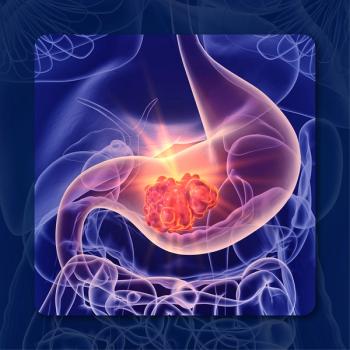
Clinical outcomes did not significantly differ with atezolizumab plus bevacizumab vs tremelimumab and durvalumab in treatment-naive, unresectable HCC.

Misty Shields, MD, PhD, provides a comprehensive overview of key updates in. the management of limited-stage small cell lung cancer.

The top 5 videos of the week cover insights in gastrointestinal cancers, gynecologic malignancies, and blood cancers.

Melissa L. Johnson, MD, discusses the evolution of immunotherapy approaches beyond PD-1 inhibition in lung cancer.

Walter J. Curran, MD, discusses the evolving use of radiotherapy in small cell cancer and data supporting its optimal use.