Japan’s Ministry of Health, Labor, and Welfare has approved trastuzumab deruxtecan for the treatment of adult patients with HER2-positive unresectable or recurrent breast cancer after prior chemotherapy, which includes trastuzumab and a taxane.
Japan’s Ministry of Health, Labor, and Welfare has approved trastuzumab deruxtecan for the treatment of adult patients with HER2-positive unresectable or recurrent breast cancer after prior chemotherapy, which includes trastuzumab and a taxane.
The combination of the p38 MAPK inhibitor ARRY-614 plus nivolumab with or without ipilimumab was well tolerated and elicited disease control in high-risk, PD-(L)1–refractory patients with advanced solid tumors.
For many people who go into research, there’s a moment somewhere along the way that is immediately addictive and makes you want to experience that over and over again.

Daniel J. George, MD, discusses the impact that ADCs have had on the evolving treatment landscape of bladder cancer, long-term outcomes with immunotherapy in metastatic renal cell carcinoma, and highlighted current and ongoing research at the Duke Cancer Institute.

Press Release
Regular physical activity can extend the lives of patients with colorectal cancer, according to a study looking at the impact of exercise on the gut microbiome of cancer patients.

Press Release
A single drug compound simultaneously attacks hard-to-treat prostate cancer on several fronts, according to a new study in mice and human cells.

The FDA has issued a complete response letter to the new drug application seeking the approval of poziotinib for the treatment of patients with previously treated locally advanced or metastatic non–small cell lung cancer with HER2 exon 20 insertion mutations.

Benjamin P. Levy, MD; Bhuvana Ramkumar, MD; and Neil Morganstein, MD, discuss the challenges with tissue testing facing care teams, as well as multilevel hurdles in procurement, analysis of results, and insurance.

John Mascarenhas, MD, discusses the shifts from monotherapy to combination therapies in the evolving field of myelofibrosis care.


Adjuvant nivolumab produced survival benefits in patients with resected stage IIIA melanoma, where a significant portion of patients were recurrence free at a median follow-up of over 20 months.

Increasing the duration of bevacizumab treatment in the frontline setting did not improve progression-free survival for patients with advanced ovarian cancer.

Almost single-handedly, Jennifer Temel, MD, defined a research field in medicine, creating a new focus on quality of life for patients and survivors.
Balazs Halmos, MD, discusses the role of immunotherapy in the frontline setting of NSCLC and the emerging pipeline of antibody-drug conjugates that could affect the treatment paradigm in lung cancer.

Roy S. Herbst, MD, PhD, helped usher in the age of targeted therapy and immunotherapy in lung cancer, turning an almost hopeless disease into a condition that can be treated and even cured.

PDS0101 given in conjunction with chemoradiation elicited an 100% overall response rate, along with tumor shrinkage greater than 60%, in 9 patients with high-risk, locally advanced cervical cancer, according to results of the phase 2 IMMUNOCERV trial.

Afamitresgene autoleucel, a novel T-cell therapy, produced good clinical response lasting more than 4 years in patients with advanced synovial sarcoma or myxoid/round cell liposarcoma.
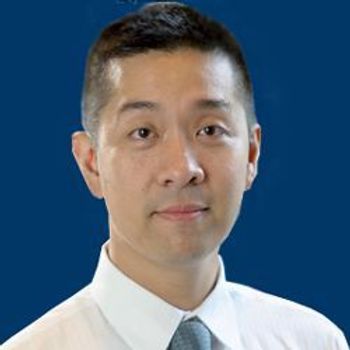
Alexander Drilon, MD, discusses key efficacy and safety data for selpercatinib from LIBRETTO-001, how the FDA approval of selpercatinib affects the current treatment landscape for RET fusion–positive advanced solid tumors, and ongoing research to expand the reach of tumor-agnostic drugs.

Suneel Kamath, MD, discusses the current challenges of treating patients with cholangiocarcinoma, the need for more tolerable therapies in this population, and how the significant ORRs and impressive safety profile seen so far with RLY-4008 in the ReFocus trial are indicative of this agent’s efficacy and durability in FGFR2-rearranged cholangiocarcinoma.

Press Release
Mirvetuximab soravtansine has been granted accelerated approval by the U.S. Food and Drug Administration on November 14 for the treatment of recurrent platinum-resistant high-grade serous ovarian cancer that highly expresses folate receptor alpha.
The FDA has extended the Prescription Drug User Fee Act goal date to May 1, 2023, for the biologics license application seeking the approval of omidubicel for patients with blood cancers in need of allogenic hematopoietic stem cell transplant.
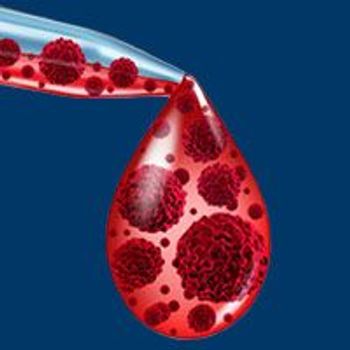
Patients with localized pancreatic adenocarcinoma who received care at a multidisciplinary clinic had significantly higher neoadjuvant therapy completion rates than those treated at a specialty-specific clinic.

Sapna Patel, MD, reviews several key studies across stages of melanoma and emerging targeted therapies for patients with BRAF mutations.
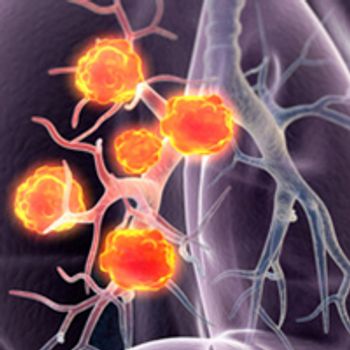
The score of the 27-gene Determa immune-oncology assay demonstrated a correlation with overall survival and progression-free survival in patients with advanced non–small cell lung cancer treated with single-agent immunotherapy, regardless of performance status.

Investigators hope to add an additional therapeutic option to the treatment paradigm of non–small cell lung cancer with the development of the novel agent eftilagimod alpha.
Press Release
Researchers at Sylvester Comprehensive Cancer Center at the University of Miami Miller School of Medicine have shown that a protein complex that governs gene expression sometimes gets rewired during breast cancer to help estrogen receptor positive tumors resist endocrine therapies and become more aggressive.

GlaxoSmithKline plc has initiated the process to withdraw the United States marketing authorization for belantamab mafodotin-blmf for the treatment of adult patients with relapsed/refractory multiple myeloma who have received at least 4 prior therapies.

The European Commission has approved cemiplimab-rwlc monotherapy for the treatment of adult patients with recurrent or metastatic cervical cancer who have progressed on or after platinum-based chemotherapy.

The combination of pembrolizumab and physician’s choice of chemotherapy produced a statistically significant overall survival benefit vs chemotherapy plus placebo in patients with HER2-negative, locally advanced, unresectable or metastatic gastric or gastroesophageal junction adenocarcinoma.
Ensuring a positive patient experience should be a top priority throughout the entire treatment journey, as higher patient satisfaction can drive improved health outcomes, treatment adherence, and quality of life.