
Press Release
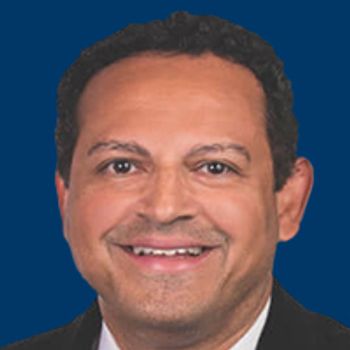
Florida Cancer Specialists & Research Institute has appointed Sachin Kamath, MD as Chairman of the FCS Executive Board Compliance Committee.
Press Release
Florida Cancer Specialists & Research Institute has appointed Sachin Kamath, MD as Chairman of the FCS Executive Board Compliance Committee.
The FDA has approved a single-dose, prefilled autoinjector presentation of pegfilgrastim-cbqv (Udenyca), which is a biosimilar of pegfilgrastim that is given the day after chemotherapy to decrease the incidence of infection as manifested by febrile neutropenia.
The antibody-drug conjugate trastuzumab deruxtecan met the prespecified target for objective response rate and demonstrated durable responses in heavily pretreated patients with HER2-expressing advanced solid tumors in the phase 2 DESTINY-PanTumor02 trial.
Findings from several large phase 3 studies along with continued development of emerging therapies promise to alter the treatment landscape for patients with myelodysplastic syndromes.
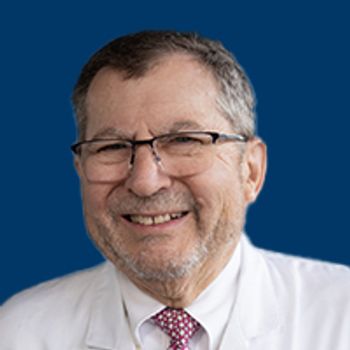
Hyman B. Muss, MD, discusses the potential benefits of metronomic chemotherapy and which patients with metastatic breast cancer could be candidates, as well as how to approach end-of-life conversations and decisions for patients.

In a single-center study, investigators assessed real-world outcomes in patients with metastatic metastatic triple-negative breast cancer treated with the antibody-drug conjugate sacituzumab govitecan-hziy.
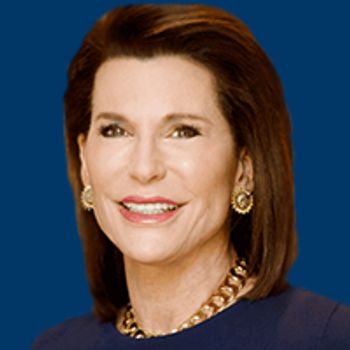
Lindsay Avner Kaplan and Nancy G. Brinker, the keynote speakers of the 40th Annual Miami Breast Cancer Conference, discuss the need to confront social determinants of health for patients and drive the public conversation and interpretation of personal and clinical stories in health care.
After settling the debate of which patients with early-stage, hormone receptor–positive breast cancer require chemotherapy in addition to endocrine therapy, investigators have set their sights on determining whether ovarian function suppression can deliver the same effects of chemotherapy and when to recommend abemaciclib and olaparib.
Novel selective estrogen receptor modulators, selective estrogen receptor degraders, and proteolysis-targeting chimera inhibitors have demonstrated early efficacy for patients with breast cancer who experience disease progression following CDK4/6 inhibitor treatment.

Brain metastases are a common complication in patients with breast cancer, and although systemic therapies for patients with HER2-positive disease have displayed promise in penetration of the blood-brain barrier, work remains for subsets of patients with central nervous system metastases.

The growth of artificial intelligence allows physicians to see tumors in unprecedented ways.
By moving away from adjuvant- to neoadjuvant-based protocols, such as I-SPY, investigators may be better able to develop effective treatments for patients in less time by refining the understanding of who will benefit from therapy, enabling strategies with multiple pathway targets, and testing approaches earlier in the disease course.
As additional antibody-drug conjugates continue to emerge for the treatment of patients with HER2-negative breast cancer, identifying optimal sequencing strategies and managing toxicities associated with these agents remain top priorities for their use, according to Hope S. Rugo, MD.
The FDA approved an expanded indication for abemaciclib (Verzenio) in combination with endocrine therapy for the adjuvant treatment of adult patients with hormone receptor–positive, HER2-negative, node-positive, early breast cancer that is at a high risk of recurrence.
Melissa L. Pilewskie, MD, highlightes some of the primary components of her presentation concerning high-risk breast lesions, which will be delivered during the 40th Annual Miami Breast Cancer Conference®
Press Release
John Karanicolas, PhD, co-leader of the Cancer Signaling and Microenvironment research program at Fox Chase Cancer Center, was recently awarded a $1 million grant from the W.M. Keck Foundation to develop a platform that could assist in the development of new drugs.
The agenda set for this year's Miami Breast Cancer Conference® has been shaped by the recent updates out of the 2022 San Antonio Breast Cancer Symposium, updates to guideline recommendations over the past year, and the influence of new indications and approvals across subtypes of breast cancer.
The FDA has granted an orphan drug designation to Temferon for use as a potential therapeutic option in patients with glioblastoma multiforme.
A biologics license application seeking the approval of cosibelimab in patients with metastatic or locally advanced cutaneous squamous cell carcinoma has been accepted for filing by the FDA.
Jonathan E. Rosenberg, MD, discusses key safety and efficacy data from the EV-103 trial supporting supplemental biologics license applications seeking FDA approval of enfortumab vedotin plus pembrolizumab in patients with advanced urothelial cancer.
R. Lor Randall, MD, FACS, discusses the presentation and diagnosis of mesenchymal chondrosarcomas, the role of HEY1-NCoA2 gene fusions in the disease, and potential treatment options for this rare subgroup of patients.
Press Release
Edith P. Mitchell, MD, MACP, FCCP, FRCP, Director of the Center to Eliminate Cancer Disparities and Clinical Professor of Medicine and Medical Oncology, has been named Enterprise Vice President for Cancer Disparities at Jefferson Health’s Sidney Kimmel Cancer Center.

The family of Mike and Patti Hennessy made a transformational gift in their memory to establish the Hennessy Institute for Cancer Prevention and Applied Molecular Medicine.
Phase 3 randomized trials often fail to reasonably represent the actual population of patients seen in routine community practice.
Amandeep Godara, MBBS, discusses the evolving treatment landscape in both early and late relapsed multiple myeloma, updated clinical trial results with CAR T-cell therapy, and key considerations when navigating treatment selection in this disease space.

The antibody-drug conjugate ARX788 was found to significantly improve progression-free survival compared with an active control in patients with HER2-positive locally advanced or metastatic breast cancer.
A new drug application has been submitted to the FDA seeking the approval of niraparib in combination with abiraterone acetate, in the form of a dual-action tablet, and prednisone, for the first-line treatment of patients with metastatic castration-resistant prostate cancer harboring BRCA mutations.
R. Lor Randall, MD, FACS, discusses how sarcoma experts from around the world connected to collaborate on the ISKS, the importance of identifying and better understanding sarcoma subgroups, and how these findings could inform prescreening for those at risk for the disease.
Press Release
A large research project found that whole genome sequencing can provide much more information about classic Hodgkin lymphoma than exome sequencing, which reads only protein-coding genes.
The FDA has accepted a supplemental biologics license application for neoadjuvant pembrolizumab in combination with platinum-containing chemotherapy, followed by adjuvant pembrolizumab monotherapy, for the treatment of patients with resectable stage II, IIIA, or IIIB (T3-4N2) non–small cell lung cancer.