
The first-in-class p53 reactivator, PC14586, induced a response in approximately 1 of 4 patients with advanced solid tumors harboring p53 Y220C mutations and showcased an acceptable safety profile consisting primarily of grade 1 and 2 events.
The first-in-class p53 reactivator, PC14586, induced a response in approximately 1 of 4 patients with advanced solid tumors harboring p53 Y220C mutations and showcased an acceptable safety profile consisting primarily of grade 1 and 2 events.
Press Release
Cancer experts at the Sylvester Comprehensive Cancer Center: Annual Oncology Update shared important progress across a wide range of cancers — prostate cancer, breast cancer, colon cancer, and more — that was presented at the American Society of Clinical Oncology 2022 Annual Meeting, the largest gathering of cancer clinicians and scientists in the United States.
Dan Pollyea, MD, MS, discussed the difficulties in developing new agents for the treatment of high-risk MDS, the objective of the ENHANCE trial, and the potential for other therapies to emerge in the treatment paradigm.
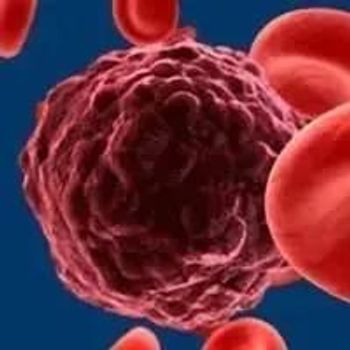
Nirogacestat plus belantamab mafodotin induced promising responses with manageable safety for patients with relapsed/refractory multiple myeloma.
Neoadjuvant mFOLFIRINOX induced favorable overall survival results for patients with borderline resectable pancreatic ductal adenocarcinoma when administered prior to pancreatectomy, though neoadjuvant mFOLFIRINOX followed by hypofractionated radiation therapy did not prove to be similarly effective.
Christine Ryan, MD, discussed the evaluation of safety and efficacy of ibrutinib plus obinutuzumab in patients with relapsed/refractory CLL in the trial and how the results could result in another treatment option for patients with relapsed/refractory CLL.
The addition of SHR3680 to androgen deprivation therapy significantly improved radiographic progression-free survival and overall survival compared with bicalutamide plus ADT in patients with high-volume, metastatic hormone-sensitive prostate cancer, according to data from the phase 3 CHART trial.

IRX-2 failed to demonstrate a statistically significant improvement in event-free survival as neoadjuvant therapy compared with standard of care in patients with newly diagnosed, stage II, III, or IVA squamous cell carcinoma of the oral cavity.

During the past several decades, cancer research has produced revolutionary discoveries leading to dramatic results for many patients.
The LAG-3 pathway has emerged as the next target for the use of immune checkpoint inhibitors in oncology.

Maintenance therapy with niraparib significantly improved progression-free survival compared with placebo in Chinese patients with newly diagnosed advanced ovarian cancer who achieved a complete response or partial response to first-line chemotherapy.
The addition of zilovertamab to ibrutinib will be compared with ibrutinib plus placebo in patients with relapsed/refractory mantle cell lymphoma as part of the phase 3 ZILO-301 trial.

The addition of pembrolizumab to belantamab mafodotin resulted in a higher overall response rate in patients with relapsed/refractory multiple myeloma than what has been observed with the antibody-drug conjugate alone, according to results from the phase 1/2 DREAMM-4 trial.
Enfortumab vedotin-ejfv plus pembrolizumab induced encouraging responses when used in the frontline treatment of patients with unresectable locally advanced or metastatic urothelial cancer who are not eligible to receive cisplatin-based chemotherapy.

Press Release
Casey Weaver, MD, the Wyatt and Susan Haskell Endowed Chair for Medical Excellence in the Department of Pathology, was elected to the prestigious and esteemed National Academy of Sciences.

Mario Sznol, MD, explains the evaluation of efficacy and safety when examining the benefits of new immunotherapy combinations in cancer.
A panel of hematology experts discuss use of steroids in the first-line setting as well as several subsequent-line treatments that have recently received FDA approval for patients with steroid-refractory chronic GVHD, which affects up to 50% of patients.

Single-agent bomedemstat was found to improve symptom scores, bone marrow fibrosis, spleen volumes, and anemia in patients with advanced myelofibrosis, according to findings from the phase 1/2 IMG-7289-CTP-102 trial (NCT03136185) presented during the 2022 EHA Congress.

A combination comprised of selinexor (Xpovio) and ruxolitinib (Jakafi) induced rapid spleen responses at week 12 and showcased a manageable toxicity profile in patients with treatment-naïve myelofibrosis.

The American Society of Clinical Oncology and the Association of Community Cancer Centers today jointly released two resources to help research sites increase the racial and ethnic equity, diversity, and inclusion in cancer clinical trials.
Although systemic treatments are utilized for angiosarcoma, an aggressive and rare subset of a rare cancer, the efficacy achieved with these options is not as good as it needs to be. Immunotherapy may be able to address the unmet need for a systemic treatment in this disease.
The European Medicines Agency Committee for Medicinal Products for Human Use has recommended that rucaparib no longer be used as monotherapy for the third-line treatment of patients with platinum-sensitive, relapsed or progressive BRCA-mutated high-grade epithelial ovarian, fallopian tube, or primary peritoneal cancer.
Toni K. Choueiri, MD, explains significant findings from the long-term efficacy analysis of the KEYNOTE-564 study and highlights the significance of these data for the field of RCC.
The European Medicines Agency’s Committee for Medicinal Products for Human Use has adopted a positive opinion recommending the conditional marketing authorization of teclistamab for the treatment of adult patients with relapsed/refractory multiple myeloma who have received at least 3 prior therapies, including an immunomodulatory agent, a proteasome inhibitor and an anti-CD38 antibody, and whose cancer has worsened since receiving the last treatment.

The FDA has accepted and granted priority review to a supplemental biologics license application for the use of trastuzumab deruxtecan in the treatment of adult patients with unresectable or metastatic HER2-low breast cancer who have received 1 prior therapy in the metastatic setting.
Press Release
UC Davis cancer researchers hope new technology will help diagnose and treat melanoma more successfully.
Twelve years after key research into immune checkpoint inhibitor therapy first made a splash at the American Society of Clinical Oncology Annual Meeting, evidence continues to mount that supports the durability of these agents in a range of cancers.
The American Society of Clinical Oncology and the Association of Community Cancer Centers have issued a joint statement outlining 6 recommendations for boosting participation among underserved communities.

The European Medicines Agency’s Committee for Medicinal Products for Human Use has recommended the approval of the fixed-dose combination of nivolumab and relatlimab for the frontline treatment of adult and adolescents who are 12 years of age or older with advanced melanoma and a tumor cell PD-L1 expression of less than 1%.
Mutations in the p53 gene are associated with poor prognosis for patients with mantle cell lymphoma. Although modern regimens have improved outcomes, those treatments are associated with significant toxicity and, so far, have produced limited efficacy.