

Avyakta Kallam, MBBS, discusses the benefits and shortcomings of the current standard of care in central nervous system lymphoma and expressed the importance of studying frontline targeted agents in this population.
Avyakta Kallam, MBBS, discusses the benefits and shortcomings of the current standard of care in central nervous system lymphoma and expressed the importance of studying frontline targeted agents in this population.
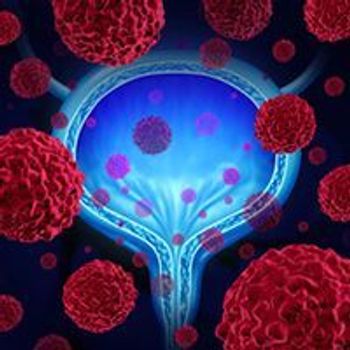
The clinical development of Vicineum for use as a potential therapeutic option in patients with high-risk, Bacillus Calmette-Guérin–unresponsive non–muscle invasive bladder cancer.

Pralsetinib has been approved in Hong Kong, China, for use in treatment-naïve and pretreated adult patients with RET fusion–positive, metastatic non–small cell lung cancer.

Edward Kim, MD, and Myron E. Schwartz, MD, discuss the background and findings of the RASER study, the role of radiation segmentectomy, and its potential to be combined with immunotherapy.

The Philippine FDA has granted approval to alpelisib in combination with fulvestrant for the treatment of patients with PIK3CA-mutated, HR-positive, HER2-negative advanced or metastatic breast cancer.

Genetic testing has afforded oncologists with the opportunity to identify patients who may have a higher risk of developing cancer and identify actionable mutations to allow patients to receive targeted therapy and have their long-term treatment plan mapped out at diagnosis.

The European Medicines Agency has validated the marketing authorization application for trastuzumab duocarmazine for the treatment of patients with HER2-positive unresectable, locally advanced or metastatic breast cancer.
Press Release
Florida Cancer Specialists & Research Institute, LLC is pleased to welcome Alexander Philipovskiy, MD, PhD, as a principal investigator at the Florida Cancer Specialists & Research Institute Drug Development Unit.

Peer-reviewed articles continue to challenge the recognition of progression-free survival as an acceptable primary end point in randomized cancer trials or insist on labeling this objectively measured outcome as nothing more than a potential surrogate for effects representing actual clinically meaningful results.

Neratinib-based combinations, antibody-drug conjugates, and bispecific antibodies represent novel and effective treatment options for patients with pretreated HER2-mutant and HER2-low metastatic breast cancer, but the successful integration of these regimens into care will require further investigation into current definitions of HER2 positivity.

The emergence of novel agents like trastuzumab deruxtecan and tucatinib in the HER2-positive breast cancer treatment paradigm have served to markedly improve outcomes for those with this disease, according to Mark Pegram, MD, who added that the future looks bright.

The FDA has granted an orphan drug designation to NT-I7 for the treatment of patients with glioblastoma multiforme.

Charles M. Perou, PhD, discusses the role of intrinsic tumor subtyping in treatment decisions and outcomes for patients with breast cancer.
Adrienne G. Waks, MD, highlights clinical trials that are studying emerging treatment escalation and de-escalation strategies in early stage HER2-positive breast cancer, elaborates on the future of immunotherapy in this setting, and explains the significance of establishing new biomarkers.

Premenopausal patients with early hormone receptor–positive, HER2-negative breast cancer can benefit from chemotherapy, although it is still debatable whether that benefit stems from the chemotherapy itself or the ovarian function suppression that happens as a result of chemotherapy.
Press Release
Analyzing nearly 500,000 single cells, researchers at the Indiana University Melvin and Bren Simon Comprehensive Cancer Center are refining how to classify colorectal cancer and identify new targets to develop effective therapies.

Major pathological response and recurrence-free survival rates were improved in women vs men with melanoma who received BRAF/MEK inhibitor therapy in the neoadjuvant setting.

Undocumented immigrants continue to face discriminatory policies, which affect those with cancer on emotional, financial, physical, and social levels.

The addition of pertuzumab to standard adjuvant therapy of trastuzumab and chemotherapy continued to reduce the risk of disease recurrence or death for patients with HER2-positive early breast cancer according to data from the third interim overall survival analysis of the phase 3 APHINITY trial.
Pirtobrutinib continued to produce promising responses in heavily pretreated patients with chronic lymphocytic leukemia or small lymphocytic lymphoma, irrespective of BTK C481 mutation status, reason for prior BTK inhibitor discontinuation, or other classes of previous therapy received.
The FDA has approved crizotinib for adult and pediatric patients aged 1 year and older with unresectable, recurrent, or refractory inflammatory ALK-positive myofibroblastic tumors.
Daniel R. Carrizosa, MD, MS, discusses the design and important efficacy and safety findings from CRESTONE trial evaluating seribantumab and the importance of finding a targeted therapy for patients with solid tumors harboring NRG1 fusions.

Alok A. Khorana, MD, discusses on-the-rise pancreatic and biliary cancer rates in younger patients, plus the rationale of potential future research into the role of the gut microbiome in these patients.

The FDA has deferred action on the biologics license application seeking the approval of tislelizumab as a second-line treatment in patients with unresectable or metastatic esophageal squamous cell carcinoma, citing the inability to conduct required inspections in China because of travel restrictions associated with COVID-19.
Brian I. Rini, MD, and Matthew Tucker, MD, sit down to discuss developing a career path and building a résumé, the value of writing review articles early in fellowship, the power of saying no, and the importance of saying yes.

The combination of ModraDoc006—a novel, oral tablet formulation of docetaxel—and ritonavir produced comparable response rates and radiographic progression-free survival to that achieved with intravenous docetaxel in patients with metastatic castration-resistant prostate cancer.
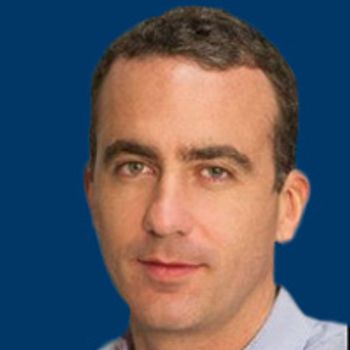
Francois-Clement Bidard, MD, PhD, highlights the benefits of elacestrant in chemotherapy-naïve patients and in those with ESR1 mutations, explains the results of a subgroup analysis done of the EMERALD trial in patients without prior chemotherapy, and voices his hopes for the future regarding other oral selective estrogen receptor degraders in development.
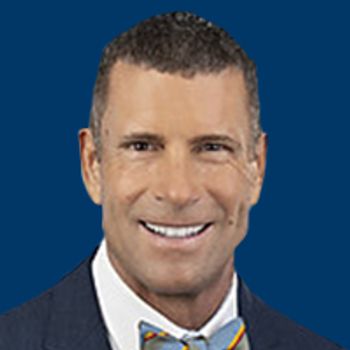
R. Lor Randall, MD, FACS, shares the successes achieved so far with machine learning in histopathology, explained the positive effect this technology can have on institutions, and advocated for further use of technology to aid treatment advances.

The National Comprehensive Cancer Network issued recommendations for providers treating children with brain cancers.