
The addition of belantamab mafodotin-blmf to lenalidomide and dexamethasone generated responses with acceptable safety in patients with newly diagnosed multiple myeloma who were ineligible to undergo autologous stem cell transplant.
The addition of belantamab mafodotin-blmf to lenalidomide and dexamethasone generated responses with acceptable safety in patients with newly diagnosed multiple myeloma who were ineligible to undergo autologous stem cell transplant.

The FDA has granted an orphan drug designation to PBI-200 for the treatment of patients with NTRK fusion–positive solid tumors, including primary and metastatic brain tumors.

Digital health solutions have the potential to improve outcomes via remote symptom monitoring, increase patient/physician communication, and improve patient education.
Ben Ho Park, MD, PhD, summarizes exciting data regarding circulating tumor DNA testing, including its ability to determine the benefits of adjuvant chemotherapy, its successful preliminary use in detecting cancer prior to recurrence, and how it may help guide future therapies.
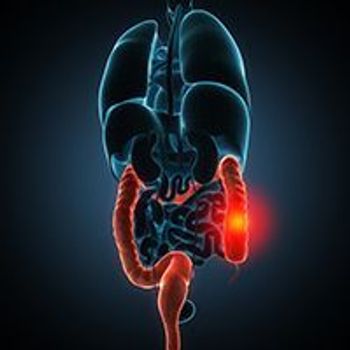
The addition of nivolumab to FOLFOXIRI and bevacizumab resulted in encouraging responses when used as frontline treatment in patients with advanced or metastatic colorectal cancer harboring RAS or BRAF mutations, irrespective of microsatellite status.

Praluzatamab ravtansine achieved a promising overall response rate in patients with advanced hormone receptor–positive, HER2-negative breast cancer.

Real-world evidence is finding an expanded role in oncology, prompting experts to rethink how data are gathered on the day-to-day usefulness of drugs for regulatory decisions.
The FDA has granted a fast track designation to belzupacap sarotalocan for the treatment of patients with non–muscle invasive bladder cancer, representing the first virus-like drug conjugate candidate therapy from Aura Biosciences, Inc., the drug developer.

Interim findings from part A of the phase 2/3 RINGSIDE trial indicated that the selective oral gamma-secretase inhibitor, AL102, was found to have favorable tolerability and early antitumor activity in patients with desmoid tumors.
The FDA has accepted for review a biologics license application resubmission for toripalimab both in combination and as monotherapy for patients with advanced recurrent or metastatic nasopharyngeal carcinoma, according to an announcement from drug developer Coherus.
Gregory Vidal, MD, PhD, including the evolution of treatment options for HER2-low breast cancer, emerging antibody-drug conjugates in triple-negative disease, and the viability of HER3 as an emerging target in breast cancer
Patient-reported outcomes from the phase 3 SPARED trial showed that despite consistency in global health status, patients experienced worse nausea and appetite loss with dexamethasone-sparing approaches.
Press Release
Florida Cancer Specialists & Research Institute, LLC held a ribbon-cutting ceremony on June 16, 2022 to celebrate the opening of a new clinical site in Kissimmee, FL.
The FDA has accepted a biologics license application and granted a priority review designation to mosunetuzumab, a potential first-in-class CD20 and CD3 T-cell engaging bispecific antibody, for the treatment of patients with relapsed/refractory follicular lymphoma following at least 2 prior systemic therapies.

The role of NTRK gene fusions across multiple cancer types have led investigators to confirm the marker in real-world data analyses.

Stephen J. Schuster, MD, discusses the implications of the FDA approval of tisagenlecleucel on the treatment strategy for relapsed/refractory follicular lymphoma and the next steps for tisa-cel.
A panel of experts discuss their perspectives on testing and targeted therapy for actionable mutations in non–small cell lung cancer.

Results from a study of individuals living with HIV show treatment of a precancerous condition known high-grade squamous intraepithelial lesions of the anus cuts the risk of developing anal cancer in this population by more than half.
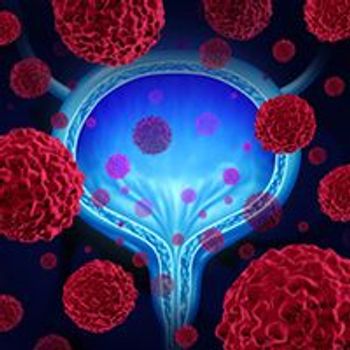
The addition of tislelizumab to nab-paclitaxel demonstrated efficacy and safety in patients with high-risk non–muscle invasive bladder cancer.
Bijal Shah, MD, MS, discusses the long-term data from the ZUMA-3 trial of brexucabtagene autoleucel in patients with relapsed/refractory B-cell acute lymphoblastic leukemia and spotlighted additional areas ripe for further exploration.
Enfortumab vedotin extended overall survival by 3.97 months compared with chemotherapy for patients with locally advanced or metastatic urothelial carcinoma.
Patients with previously treated metastatic HER2-positive colorectal cancer experienced clinically meaningful and durable responses to treatment with tucatinib plus trastuzumab, according to data from the phase 2 MOUNTAINEER trial.

Patients with platinum-resistant ovarian cancer have historically been an underserved population with few effective treatment options.
Drug manufacturer Aileron plans to stop further enrollment into a phase 1b trial (NCT04022876) after the chemoprotective agent ALRN-6924 missed its composite primary end point for patients with advanced p53-mutant non–small cell lung cancer.
Efforts to unlock treatment modalities targeting KRAS mutations have ebbed and flowed for patients with non–small cell lung as investigators face resistance, intolerable toxicity profiles, and a lack of available binding pockets to guide treatment development.
The FDA has warned that treatment with duvelisib has shown a possible increased risk of death and serious adverse effects compared with ofatumumab in patients with relapsed/refractory chronic lymphocytic leukemia and small lymphocytic lymphoma.
The FDA has granted an orphan drug designation to evorpacept, a next-generation CD47 blocker, for use as a potential therapeutic option for patients with acute myeloid leukemia.
Genmab A/S shared plans to submit a biologics license application to the FDA seeking the approval of subcutaneous epcoritamab for the treatment of patients with relapsed or refractory large B-cell lymphoma in the second half of 2022.
Press Release
Study findings could be developed into less-invasive method.

Ajai Chari, MD, discusses the evolving landscape and developing therapies within multiple myeloma.