
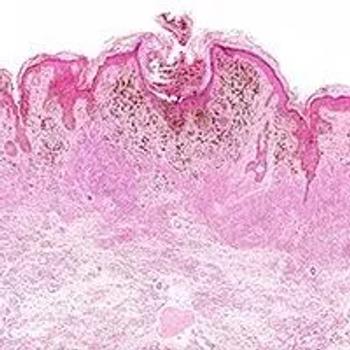
The PD-L1 antibody cosibelimab was found to elicit an encouraging objective response rate in patients with locally advanced cutaneous squamous cell carcinoma who were not eligible to undergo curative surgery or radiation.
The PD-L1 antibody cosibelimab was found to elicit an encouraging objective response rate in patients with locally advanced cutaneous squamous cell carcinoma who were not eligible to undergo curative surgery or radiation.
Despite a steady decline in incidence and mortality rates of many cancers among older individuals in the United States and other high-income countries, an alarming rise in young-onset gastrointestinal cancers has simultaneously occurred.
New treatment strategies with immunotherapeutic agents are challenging standards of care and prolonging survival in first and later lines of metastatic urothelial carcinoma, metastatic renal cell carcinoma, and metastatic castration-resistant prostate cancer.

The combination of quavonlimab and pembrolizumab was found to be generally well tolerated and to have modest antitumor activity in patients with advanced melanoma that progressed on a PD-1/PD-L1 inhibitor, according to data from a phase 1/2 trial (NCT03179436).

The addition of venetoclax to ibrutinib resulted in a high rate of minimal residual disease negativity in the blood and marrow of patients with previously untreated chronic lymphocytic leukemia.
Duvelisib and oral azacitidine are each being studied in combination with CHOP/CHOEP chemotherapy in patients with previously untreated CD30-negative peripheral T-cell lymphoma in the randomized phase 2 Alliance A059102 trial.

Ripretinib did not result in a significant improvement in progression-free survival over sunitinib in patients with gastrointestinal stromal tumor who were previously treated with imatinib, missing the primary end point of the phase 3 INTRIGUE trial.
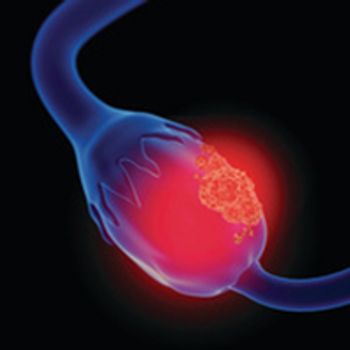
The combination of abemaciclib and fulvestrant led to encouraging responses when used as neoadjuvant therapy which translated to high complete gross resection rates in patients with advanced, low-grade serous ovarian, fallopian tube, and peritoneal carcinoma.

Press Release
The Sidney Kimmel Cancer Center– Jefferson Health has appointed Ana Maria Lopez, MD, MPH, MACP, FRCP, as Associate Director for Diversity, Equity, and Inclusion.

The approval of 2 nivolumab-containing combinations for patients with advanced or metastatic esophageal squamous cell carcinoma have opened the doors for immunotherapy to enter the landscape for this population allowing clinicians options to help patients to meet their individual treatment goals.
Geoffrey T. Gibney, MD, discusses current treatment options for patients with melanoma, clinical trials that have explored different agents and combinations, and developing treatment options in uveal melanoma.
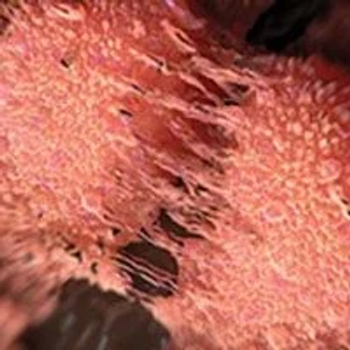
Apalutamide plus androgen deprivation therapy and radiotherapy was evaluated in patients with high- and very high–risk localized or locally advanced prostate cancer, with RT schedules that are reflective of recommended practice guidelines.

Teclistamab was found to have improved effectiveness in terms of progression-free survival, time to next treatment, and overall survival vs real-world physician’s choice of therapy in patients with triple-class exposed relapsed/refractory multiple myeloma.

Sotorasib demonstrated clinically meaningful activity and acceptable tolerability in heavily pretreated patients with KRAS G12C–mutated advanced pancreatic cancer, according to date from the single-arm, phase 1/2 CodeBreak 100 trial.

The FDA’s Cellular, Tissue, and Gene Therapies Advisory Committee voted unanimously in favor of the benefit of betibeglogene autotemcel for the treatment of transfusion-dependent β-thalassemia in adult and pediatric patients with a non–β0/β0 genotype.

The combination of galinpepimut-S and nivolumab was found to extend survival in patients with malignant pleural mesothelioma who were either refractory to, or who had relapsed after, at least 1 line of standard therapy.

Next-generation panel sequencing and a unique algorithm demonstrated the advantage of detecting NRG1 fusions and providing structure information of partners, which could ultimately guide more precise therapeutic options, according to data from a study done in Chinese patients with solid tumors.
Mehmet A. Bilen, MD, and a panel of renal cell carcinoma experts discuss the preferred treatment options for patients with intermediate-risk or high-risk advanced renal cell carcinoma and the clinical features that may influence their decisions.

The European Commission has approved atezolizumab for use as an adjuvant treatment following complete resection and platinum-based chemotherapy in adult patients with non–small cell lung cancer and a high risk of recurrence whose tumors do not have EGFR mutations or ALK alterations but have a PD-L1 expression of 50% or higher.
RG6234, a novel T-cell engaging bispecific antibody with a 2:1 configuration, induced high response rates and early evidence of durability for patients with relapsed/refractory multiple myeloma.

Zanubrutinib achieved favorable health-related quality of life outcomes compared with bendamustine plus rituximab in patients with treatment-naïve chronic lymphocytic leukemia and small lymphocytic lymphoma.
The bispecific antibody REGN5458 elicited rapid responses that were further characterized by their depth, durability, and low incidence of cytokine release syndrome in patients with relapsed/refractory multiple myeloma.
Add-on parsaclisib and ruxolitinib elicited promising spleen volume reduction in patients with myelofibrosis who experienced suboptimal response to ruxolitinib alone, regardless of baseline platelet count, according to findings from a subgroup analysis of a phase 2 study.

Venetoclax plus obinutuzumab remains an effective fixed-duration treatment option for patients with chronic lymphocytic leukemia and coexisting conditions, according to updated efficacy and safety data from the ongoing phase 3 CLL14 trial.

The FDA has accepted for review a new supplemental biologics license application seeking approval of pembrolizumab in the adjuvant treatment of patients with stage IB to IIIA non–small cell lung cancer after complete surgical resection.

Treatment with ropeginterferon alfa-2b-njft induced low symptom burden and low phlebotomy requirement compared with best available treatment in patients with polycythemia vera, according to long-term data from the phase 3 PROUD-PV and CONTINUATION-PV trials.

Long-term follow-up from the phase 2 ELIANA trial, showed that tisagenlecleucel continued to demonstrate durable efficacy in heavily pretreated pediatric and young adult patients with relapsed or refractory B-cell acute lymphoblastic leukemia.
Bezuclastinib showcased early signs of clinical activity in that it resulted in a meaningful reduction in serum tryptase levels, as well as reductions in mast cell burden and KIT D816V variant allele frequency, in adult patients with advanced systemic mastocytosis.
Press Release
Martin Dietrich, MD, PhD, of Florida Cancer Specialists, has been named the 2022 Man of the Year by the Orlando Chapter of the Leukemia & Lymphoma Society.

The combination of talquetamab and daratumumab led to early onset and durable responses that deepened over time in patients with heavily pretreated multiple myeloma, most of whom were anti-CD38 refractory, according to findings from the phase 1b TRIMM-2 study.