
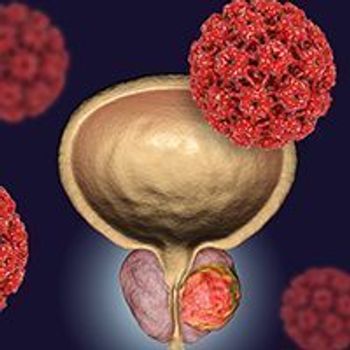
The addition of enzalutamide vs a conventional nonsteroidal antiandrogen agent to testosterone suppression continued to provide clinically meaningful improvements in overall survival in patients with metastatic hormone-sensitive prostate cancer.
The addition of enzalutamide vs a conventional nonsteroidal antiandrogen agent to testosterone suppression continued to provide clinically meaningful improvements in overall survival in patients with metastatic hormone-sensitive prostate cancer.

Adjuvant pembrolizumab was found to result in a significant improvement in distant metastasis-free survival compared with placebo, with a continued reduction in risk of recurrence and an acceptable safety profile, in patients with resected stage IIB or stage IIC melanoma.

177Lu-PSMA-617 represents an acceptable option for patients with metastatic castration-resistant prostate cancer who are progressing after docetaxel, as it has been shown to provide similar overall survival benefit to that of cabazitaxel, with a stronger progression-free survival benefit and fewer toxicities

Ifosfamide induced small improvements in terms of prolonging event-free survival and overall survival compared with topotecan plus cyclophosphamide in patients with relapsed/refractory Ewing sarcoma.

Treatment with larotrectinib elicited robust and durable responses, had a favorable safety profile, and sustained survival benefit in patients with central nervous system TRK fusion cancers.

Extended follow-up data from the LIBRETTO-001 demonstrated that selpercatinib elicited durable responses in patients with RET fusion-positive solid tumors, including refractory gastrointestinal malignancies.

Zenocutuzumab was found to produce durable responses in patients with previously treated advanced NRG1-positive cancers, with antitumor activity observed across several tumor types, and to have an extremely well tolerated toxicity profile, according to data from a phase 1/2 trial (NCT02912949).

Induction therapy with the quadruplet regimen of daratumumab, carfilzomib, lenalidomide, and dexamethasone appears to be feasible in patients with high-risk, newly diagnosed multiple myeloma who are eligible for transplant, displaying safety benefits and responses.

Treatment with lisocabtagene maraleucel resulted in a high rate of durable overall and complete responses as second-line therapy in frail patients with relapsed/refractory large B-cell lymphoma for whom hematopoietic stem cell transplantation was not intended, according to preliminary findings from the phase 2 PILOT study.
Ixazomib plus daratumumab without dexamethasone showed a positive efficacy profile for elderly frail patients with relapsed/refractory multiple myeloma, according to results of the phase 2 IFM 2018-02 study.

The addition of panitumumab to mFOLFOX6 improved outcomes for patients with left-sided RAS wild-type metastatic colorectal cancer compared with bevacizumab and chemotherapy in the front-line setting, according to results from the phase 3 PARADIGM trial.
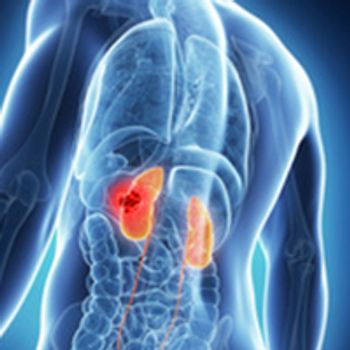
Patients with advanced renal cell carcinoma who received lenvatinib plus pembrolizumab experienced a longer time to progression on next line of therapy compared with those who received sunitinib.

Treatment with fam-trastuzumab deruxtecan-nxki doubled progression-free survival and reduced the risk of death by 36% compared with physician's choice of chemotherapy for patients with HER2-low, hormone receptor–positive metastatic breast cancer.
Daratumumab plus induction/consolidation lenalidomide, bortezomib, and dexamethasone elicited higher minimal residual disease-negativity rates vs the RVd combination alone in patients with transplant-eligible newly diagnosed multiple myeloma, including those in high-risk subgroups.
The combination of lenalidomide (Revlimid), bortezomib, and dexamethasone (RVd) plus autologous stem cell transplant as initial therapy followed by lenalidomide maintenance demonstrated a significant improvement in progression-free survival vs RVd alone followed by lenalidomide maintenance in patients with newly diagnosed multiple myeloma.

Alpelisib plus fulvestrant demonstrated a clinical benefit regardless of gene mutation status in patients with hormone receptor–positive, HER2-negative advanced breast cancer, including those with FGFR1 or FGFR2 alterations.
CT041, a Claudin18.2–specific CAR T-cell therapy, demonstrated a manageable safety profile in patients with previously treated, CLDN18.2-positive advanced gastric/gastroesophageal junction cancer, with a majority of patients achieving partial response or stable disease.

The combination of lenvatinib and pembrolizumab demonstrated clinically meaningful improvements in progression-free survival on next line of therapy among all-comer patients with advanced endometrial cancer and those with DNA mismatch repair proficient disease, according to an exploratory analysis of the phase 3 KEYNOTE-775 trial.

Ribociclib plus endorcrine therapy led to a statistically significant improvement in progression-free survival in patients with hormone receptor–positive, HER2-negative unresectable or metastatic breast cancer with tumor progression following treatment with a CDK4/6 inhibitor, according to findings from the randomized phase 2 MAINTAIN trial.
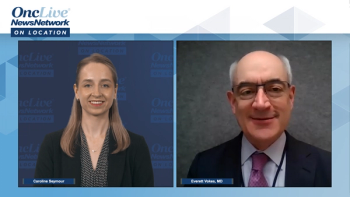
OncLive® will be LIVE with OncLive® News Network: On Location at the 2022 ASCO Annual Meeting. Each day, we will broadcast a series of interviews with top thought leaders, to learn their thoughts and reactions to data presented across oncology during the conference.

The addition of maintenance avelumab to best supportive care demonstrated improved outcomes for patients with advanced urothelial carcinoma including those who went on to receive second-line therapy.
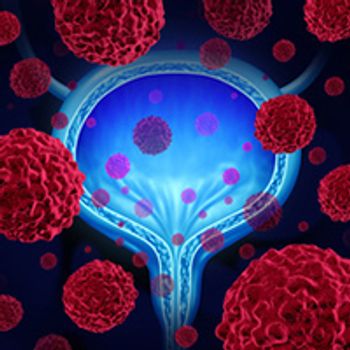
Tumor mutational burden served as a prognostic indicator of the efficacy of toripalimab among Chinese patients with urothelial carcinoma.

SOT101 alone and in combination with pembrolizumab demonstrated a favorable safety profile with no additional toxicities reported and promising efficacy among patients with advanced solid tumors, according to findings from the phase 1 AURELIO-03 trial.

First-line treatment with palbociclib plus letrozole did not elicit a significant benefit in overall survival compared with letrozole monotherapy in patients with estrogen receptor-positive/HER2-negative advanced breast cancer missing the secondary end point of the trial.
Updated data from a safety analysis of the phase 3 DESTINY-Breast03 study confirmed the tolerability of trastuzumab deruxtecan among patients with with HER2-positive unresectable or metastatic breast cancer.

The addition of subcutaneous epcoritamab to treatment with rituximab and lenalidomide resulted in a 100% response rate and a low incidence of low-grade cytokine release syndrome in patients with relapsed/refractory follicular lymphoma, according to findings from arm 2 of the EPCORE NHL-2 trial.

Patritumab deruxtecan produced encouraging responses in patients with HER3-expressing metastatic breast cancer or metastatic triple negative breast cancer.

Guided approaches leveraging circulating tumor DNA status can reduce the number of patients who receive adjuvant chemotherapy without the risk of lowering recurrence-free survival rates for some patients with stage II colon cancer.

At approximately 5 years of follow-up, findings from the phase 3 ELEVATE-TN study show that treatment outcomes are more favorable with acalabrutinib with or without obinutuzumab compared with obinutuzumab and chlorambucil in treatment-naïve chronic lymphocytic leukemia.

BTX-1188, a first-in-class oral molecular glue, is undergoing investigation in phase 1 clinical trials in patients with solid tumors or acute myeloid leukemia, after preclinical trials supported its potential safety benefits in this population and demonstrated its high sensitivity in Myc-driven cancer cell lines.