
The CAR T-cell therapy BNT211, with or without an mRNA vaccine, produced efficacious and tolerable safety results.
The CAR T-cell therapy BNT211, with or without an mRNA vaccine, produced efficacious and tolerable safety results.

Mridula George, MD, discusses the variety of innovative HER2-positive breast cancer treatment options that have recently been approved or are undergoing investigation in clinical trials to broaden the standards of care for patients in this subgroup.

The dual immunotherapy combination of nivolumab and ipilimumab elicited encouraging and durable responses with acceptable safety in patients with advanced or metastatic tumor mutational burden–high solid tumors that were refractory to standard therapies, meeting the primary end points of the phase 2 CheckMate-848 trial.
The oral ataxia-telangiectasia and Rad3–related protein inhibitor elimusertib produced durable and prolonged responses in patients with advanced solid tumors who have ATM gene alterations and BRCA1/2 defects.

In the ENDOLA trial, olaparib in combination with metronomic cyclophosphamide and metformin showed a significant non-progression rate in patients with recurrent advanced or metastatic endometrial cancer.

The T-cell attributes of axicabtagene ciloleucel impacted tumor burden, efficacy outcomes, peak levels of proinflammatory cytokines, and toxicities such as neurologic events and cytokine release syndrome in patients with relapsed/refractory large B-cell lymphoma.

GD2-directed CAR T-cell therapy demonstrated prolonged periods of radiographic and clinical improvement in pediatric and young adult patients with H3K27M-mutated diffuse intrinsic pontine gliomas and spinal diffuse midline gliomas.

Off-the-shelf anti-mesothelin T-cell receptor fusion construct T cells demonstrated prolonged persistence and efficacy in vivo against mesothelin-expressing tumors in mice, compared with gavocabtagene autoleucel.

Sotorasib demonstrated an overall survival rate of 32.5% at 2 years in patients with KRAS G12C–mutant non–small cell lung cancer, according to longer follow-up data from the phase 1/2 CodeBreaK 100 trial.

Among patients with ductal carcinoma in situ, a significant portion of recurrences were not genetically related to the primary tumor.
The innate cell engager AMF13 combined with preactivated and expanded natural killer (NK) cells induced “very encouraging activity” in patients with heavily pretreated lymphoma.
Pegcetacoplan treatment was associated with hemoglobin stabilization and normalization, as well as a superior change from baseline in hemoglobin levels, which showed a meaningful correction of anemia, in patients with complement inhibitor–naïve paroxysmal nocturnal hemoglobinuria.

First-line pembrolizumab monotherapy continued to elicit an overall survival benefit and durable tumor response vs standard-of-care platinum-based chemotherapy in Chinese patients with untreated PD-L1–positive, advanced or metastatic non–small cell lung cancer without sensitizing EGFR or ALK mutations.
Temferon, genetically modified Tie2-expressing monocytes targeting interferona2, showed the potential to activate the immune system and reprogram the tumor microenvironment in patients with glioblastoma.
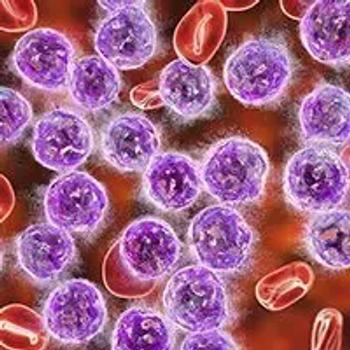
Nivolumab in combination with a PD-L1/IDO peptide vaccine displayed encouraging efficacy and survival results among patients with metastatic melanoma.

Sara A. Hurvitz, MD, medical oncologist and medical director at the Jonsson Comprehensive Cancer Center Clinical Research Unit, discussed pivotal findings in the HER2-positive treatment landscape that possess the potential to change practice.
Avelumab is now a treatment option for patients with urothelial cancer in the United Kingdom following a recommendation from the National Institute for Health and Care Excellence issued Thursday, April 7, 2022.1

Press Release
Researchers at the Yale Cancer Biology Institute have clarified the role of a recurring cancer-associated tumor mutation in glioblastoma multiforme, the most common and most aggressive type of malignant brain tumor.
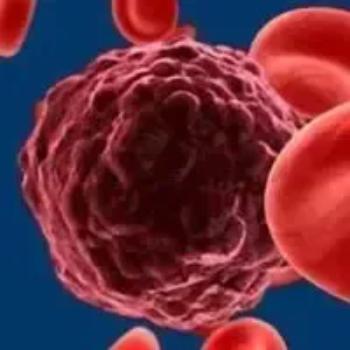
Zanubrutinib monotherapy continues to demonstrate durable responses with an acceptable toxicity profile in patients with relapsed or refractory mantle cell lymphoma.

Prostate cancer is the most common cancer in men and the second-leading cause of cancer-related deaths in men in the US.
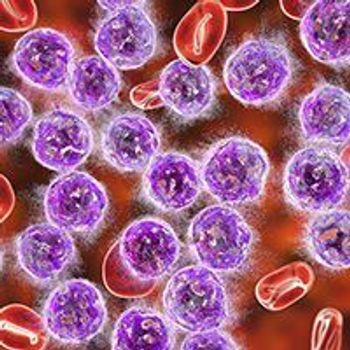
The China National Medical Products Administration’s Center for Drug Evaluation has granted a breakthrough therapy designation to relmacabtagene autoleucel for use in the treatment of patients with mantle cell lymphoma.

The use of trilaciclib prior to chemotherapy resulted in a 50% reduction in the percent of patients with extensive-stage small cell lung cancer who had grade 3 or higher myelosuppressive hematologic adverse effects in at least 1 blood cell lineage.

Women of all races and ethnicities who were referred to a colposcopy clinic for cervical cancer screening following an abnormal Pap smear during the COVID-19 pandemic had a higher likelihood of not adhering to their appointment compared with appointment data collected prior to the pandemic.

Checkpoint inhibitors prior to allogeneic hematopoietic cell transplant improved progression-free survival and relapse incidence in patients with Hodgkin lymphoma, but the treatment did not improve non-relapse mortality or overall survival.
Justin W. Taylor, MD, discusses the significance of BTK inhibition in the treatment of patients with CLL, the genomic analyses conducted in those enrolled to BRUIN who received pirtobrutinib, and the significance of the data yielded from this research.

Press Release
Researchers at the Icahn School of Medicine at Mount Sinai describe a troubling increase in early-onset colorectal cancer and precancerous polyps, based on a large, nationally representative study of patients under age 50 who underwent colonoscopy.

Specialization in oncology research affords investigators the opportunity to dive into tumor biology and uncover unique approaches to care.
Venetoclax consolidation following first-line treatment with venetoclax and obinutuzumab did not reduce loss of minimal residual disease response vs MRD-guided venetoclax consolidation in previously untreated patients with chronic lymphocytic leukemia.

The combination of the oncolytic vaccine vusolimogene oderparepvec and nivolumab continued to drive encouraging responses with acceptable tolerability in patients with melanoma and other skin cancers.

Marketing authorization applications seeking the approval of tislelizumab in patients with advanced or metastatic esophageal squamous cell carcinoma following previous systemic chemotherapy and in select patients with non–small cell lung cancer have been submitted to the European Medicines Agency.